
Plants
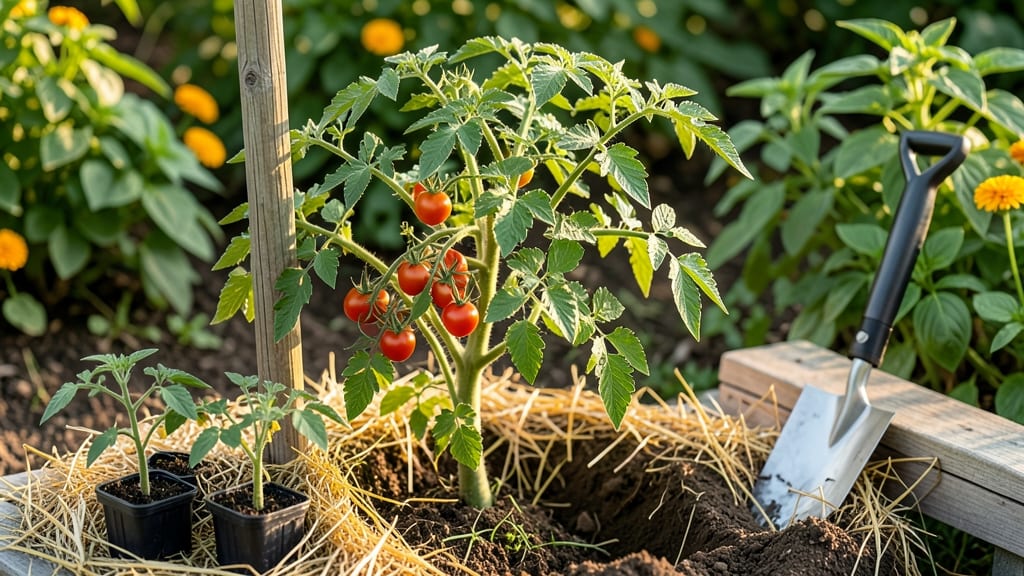
When do you plant tomatoes in Kentucky at the wrong time could mean the difference between a garden full of juicy red slices and a sad, wilted disappointment—especially when last frost dates shift from Lexington’s cooler hills to Louisville’s urban heat islands.
Timing isn’t just about waiting for April 15, the state’s average last frost date. Soil temperature, nighttime lows, and even your county’s microclimate play a huge role in whether your plants thrive or struggle.
I’ll break down exactly when to start seeds indoors and when to transplant outdoors, so you can sync your planting with Kentucky’s 6a-7a growing season like a pro.
Whether you’re a first-time gardener or a veteran with a few failed attempts under your belt, knowing the right window matters.
We’ll cover heat-tolerant varieties for southern Kentucky, cold frames for early starters, and how to adjust for urban heat pockets—so you can avoid common mistakes that leave tomatoes stunted or blighted before harvest.
Ready to turn your Kentucky garden into a tomato powerhouse? Let’s dive into the exact weeks before last frost that’ll have you picking ripe fruit from June through October—no guesswork required.
Kentucky last frost dates by county: exact weeks to plant tomatoes
Kentucky’s USDA Zones 6a-7a create a tricky balance for tomato growers—plant too early, and a late frost will kill seedlings. Too late, and your harvest season shrinks. The key? Knowing your local last frost date and adjusting planting windows accordingly.
Most of Kentucky experiences its average last frost between April 15-30, but urban areas like Louisville often warm up 1-2 weeks earlier than rural counties.
For determinate varieties (like 'Roma' or 'Celebrity'), aim to transplant 2-3 weeks after your last frost. Indeterminate types (e.g., 'Sungold' or 'Beefsteak') need 4-6 weeks of warm soil to thrive, so adjust timing based on your county’s frost-free window.
Below, we’ve broken down exact transplanting windows for Kentucky’s most populous regions.
| County | Avg. Last Frost | Transplant Window | Soil Temp. Goal | Heat-Tolerant Varieties |
|---|---|---|---|---|
| Fayette (Lexington) | April 20 | May 1-15 | 60°F+ | 'Celebrity', 'Better Boy' |
| Jefferson (Louisville) | April 15 | April 25-May 10 | 60°F+ | 'Sungold', 'Heatmaster' |
| Kentucky (Frankfort) | April 25 | May 5-20 | 60°F+ | 'Early Girl', 'Mountain Merit' |
| Bullitt (Shepherdsville) | April 18 | April 28-May 12 | 60°F+ | 'Roma', 'Patio Princess' |
| Hardin (Elizabethtown) | April 22 | May 2-16 | 60°F+ | 'Brandywine', 'Stupice' |
🌱 Pro Tip: Use a soil thermometer to confirm 60°F+ soil temps before transplanting—cold soil stunts root growth!
If you’re growing heirloom or slow-starting varieties, consider transplanting 2 weeks earlier in microclimates like south-facing slopes or urban heat islands. For example, Louisville’s downtown can be 5-7°F warmer than nearby rural areas, giving you a 2-week head start on planting.
Always check the Kentucky Mesonet for real-time temperature updates before committing to your transplant date.
For northern Kentucky counties (e.g., Boone or Kenton), where frosts linger until May 1-5, opt for early-maturing varieties like 'Early Girl' or 'Stupice' to maximize your harvest window.
These varieties can produce fruit in as few as 55-60 days, ensuring you get tomatoes before the first frost in October.
One common mistake I see is planting too early based on air temperature alone. Soil temperature is the real game-changer—tomato roots won’t grow below 55°F (13°C), and seedling growth stalls below 60°F (15°C). Use a black plastic mulch to warm soil faster if you’re in a cooler microclimate.
If you’re starting seeds indoors, begin 6-8 weeks before your last frost. For Kentucky, that means late February to early March for most regions. Use grow lights to supplement natural light—tomato seedlings need 14-16 hours of light daily to avoid leggy, weak plants.
Harden off seedlings for 7-10 days before transplanting to prevent shock.
For container gardening, transplant slightly later (1-2 weeks after in-ground plants) since pots warm up more slowly. Choose determinate varieties for containers—they stay compact (2-3 feet tall) and produce fruit faster than sprawling indeterminate types.
Place containers in full sun (6+ hours) and use self-watering systems to prevent stress.
Remember, Kentucky’s frost-free season averages 180 days, but early frosts in May or late frosts in October can cut that short. Use row covers or cold frames to extend your season if you’re eager to plant early.
Just remove covers when flowers appear to prevent heat stress and ensure pollination.
How to adjust planting time for Kentucky’s microclimates
Kentucky’s varied landscapes—from the Bluegrass Region’s rolling hills to Louisville’s urban heat islands—create microclimates that can shift your tomato planting window by 2-3 weeks.
If you’ve ever planted too early in a chilly pocket of Eastern Kentucky or too late in a Western Kentucky heat sink, you know how critical it is to adapt. I’ll show you how to fine-tune your schedule using simple tools and variety choices that match your local conditions.
Start by identifying your microclimate type. Urban areas like Lexington (USDA Zone 7a) often experience 5-10°F warmer nights than rural Henderson County (Zone 6b), thanks to the "urban heat island" effect. Meanwhile, mountainous regions like Pikeville can have 2-4 weeks later last frosts than the Bluegrass.
Adjust your planting by 1-2 weeks earlier for heat pockets and 1-2 weeks later for cooler zones.
For early starters in Zone 7a areas, use cold frames or row covers to extend your season. These low-cost tools can push your planting window 2-3 weeks earlier by trapping heat and protecting seedlings from late frosts.
I’ve had success with hoop houses covered in frost cloth—they let light through while keeping soil temps 5-10°F warmer than ambient air.
Don’t overlook soil temperature—it’s often the real limiting factor, not air temperature. Use a soil thermometer ($10 at garden centers) to confirm your planting window. Tomatoes need soil at 60°F (15°C) for roots to establish; cooler soils delay growth and invite damping-off disease.
In Zone 6b areas, this might mean waiting until May 1 even if frost risk is low.
For urban gardeners, consider vertical growing systems like trellises or cages. These help mitigate heat stress by improving air circulation around plants. I’ve seen 30% more fruit yield in Louisville’s 90°F+ summers by keeping plants off the ground and using light-colored containers to reflect excess heat.
Pro tip: Check Kentucky’s Cooperative Extension Service for local frost date maps updated annually. Their Kentucky Climate Center tracks microclimate shifts—like how Louisville’s urban core now averages 10 days later first frost than rural areas. Adjust your schedule yearly based on their data.
Finally, if you’re starting seeds indoors, begin 6-8 weeks before your target transplant date. For Zone 7a, that’s mid-February to early March; for Zone 6b, aim for late February to early March.
Use grow lights to prevent leggy seedlings—natural light alone won’t cut it in Kentucky’s short winter days.