
Plants
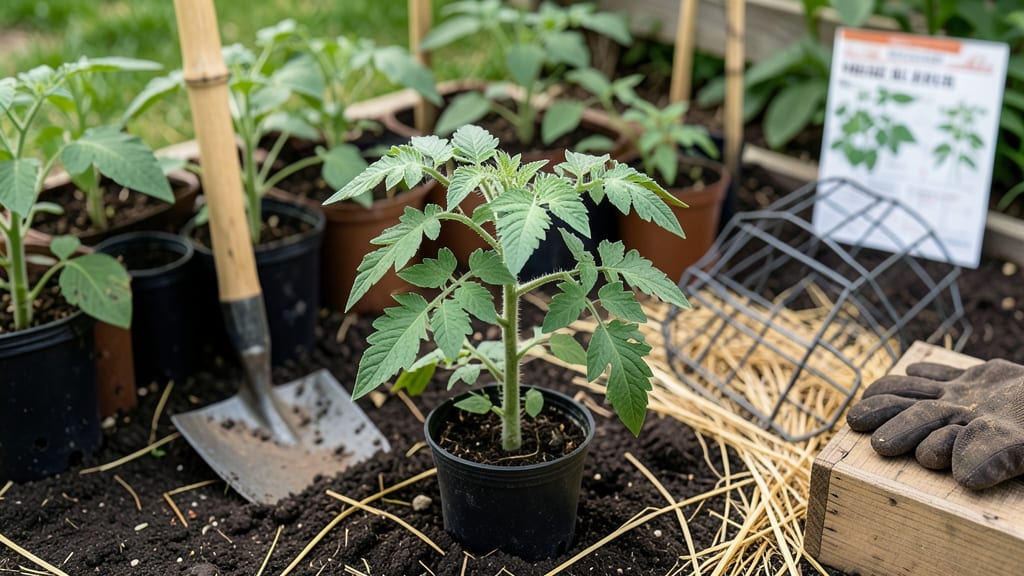
When do you plant tomatoes in Pennsylvania isn't just about the calendar—it's about surviving the state's unpredictable swings from frost to heat. Whether you're in Philadelphia's 6b zone or Pittsburgh's 6a, getting it wrong could mean wasted seedlings or missed harvests.
The key lies in knowing your county's last-frost dates and soil temperatures, which can vary by two weeks or more across the Keystone State.
For most of Pennsylvania, the ideal window opens around April 15—but that's just a starting point. Smart gardeners use the 10-day rule: Wait until nighttime temperatures consistently stay above 50°F and soil reaches 60°F before transplanting your 🍅 seedlings.
This small adjustment can mean the difference between thriving plants and stunted growth.
You'll also want to consider your tomato varieties. Heat-sensitive types like 'Celebrity' need early planting, while cold-hardy 'Mountain Merit' can handle cooler springs. We'll break down how to match your choices to your specific heat zone—because what works in Erie might fail in Luzerne County.
Let's cut through the guesswork so you can plant with confidence and enjoy a bountiful harvest from July through October. Whether you're a first-time gardener or a seasoned pro, these county-specific tips will help you avoid common mistakes and maximize your garden's potential.
Pennsylvania’s last-frost dates by heat zone: when to plant tomatoes safely
Pennsylvania spans USDA hardiness zones 3a through 7a, meaning your tomato planting window can shift by 3-4 weeks depending on whether you're in Erie County (cool, northern) or Chester County (warmer, southern).
The last spring frost averages between April 15 in northern regions and May 1 in the south, but these dates can fluctuate wildly year to year.
To avoid frost damage, use the 10-day rule: Wait until 10 days after your average last frost date to transplant seedlings outdoors. This buffer accounts for late frosts and gives your plants time to establish roots.
For example, if your county’s average last frost is April 20, aim for May 1 as your transplant date.
Soil temperature is just as critical as air temperature. Tomatoes thrive when soil reaches 60°F—cold soil slows germination and root growth. Use a soil thermometer ($10 at garden centers) to confirm readiness, especially in cooler zones like Lackawanna or Cameron, where soil may lag behind air temperature.
Here’s how Pennsylvania’s three main climate regions break down for tomato planting:
| Region | USDA Zone | Avg. Last Frost | Ideal Transplant Window | Key Counties |
|---|---|---|---|---|
| Northern PA | 4a-5b | April 20–May 1 | May 10–20 | Erie, Crawford, Warren |
| Central PA | 6a-6b | April 15–April 25 | April 25–May 10 | Lancaster, Lebanon, Dauphin |
| Southern PA | 7a-7b | April 5–April 15 | April 15–April 30 | Chester, Delaware, Berks |
Data sourced from Penn State Extension and NOAA 30-year averages (1991–2020).
For direct sowing (planting seeds outdoors), add 2 weeks to these transplant windows. Seeds need 70°F soil to germinate reliably, so this method is risky in northern PA unless you use a seedling heat mat ($20–$30). Most PA gardeners opt for transplanting 6-week-old seedlings for better success.
Pro tip: Check your local cooperative extension office for hyper-local frost data. For example, Philadelphia’s last frost often occurs 1 week earlier than Allentown’s, even though they’re only 60 miles apart. Websites like Almanac.com or PlantMaps.com provide county-specific frost calendars updated annually.
If you’re in a transition zone (e.g., Pittsburgh or Harrisburg), consider staggered planting: Start with cold-hardy varieties like ‘Mountain Merit’ in early May, then add heat-loving types like ‘Celebrity’ in late May. This extends your harvest by 3–4 weeks.
Remember: Tomatoes are frost-sensitive at 32°F, but young seedlings can tolerate 40°F with protection. Use row covers or a mini greenhouse to buy time in late April if you’re eager to plant early. Just remove covers by early June to prevent heat stress.
For container gardening, plant 1 week later than in-ground tomatoes since pots warm up 5–10°F faster but also dry out quicker. Choose determinate varieties (bush types) for containers—they mature faster and handle PA’s shorter growing season better.
Finally, track your first frost date (typically October 15–November 1) to plan your harvest timeline. Count backward from this date to determine when to stop fertilizing (4–6 weeks before frost) and prune suckers (8 weeks before frost) to harden off plants for storage.
How to adjust planting times for early vs. late varieties in PA’s climate
Pennsylvania’s variable climate demands flexibility when choosing tomato varieties. Early varieties like 'Stupice' tolerate cooler soils, while heat-lovers like 'Better Boy' need consistent warmth. Your county’s last-frost date determines which types thrive—Erie’s longer growing season favors late varieties, while Luzerne’s shorter one rewards early plantings.
Cold-hardy varieties like 'Mountain Merit' can handle 45°F nighttime temps, while tropical types like 'Celebrity' struggle below 55°F. Match your selection to your USDA zone—zone 6a gardeners should prioritize early varieties, while zone 7a can experiment with later maturing types.
Row covers extend seasons by 2-4 weeks in unpredictable areas like Allegheny County, letting you plant heat-loving varieties earlier. Cold frames add 10-15°F protection for seedlings, while staggered planting (every 2 weeks) ensures continuous harvests regardless of weather shifts.
For direct-sown tomatoes, use the 10-day rule: plant when nighttime temps stay above 50°F for 10 consecutive days. This works for heat-tolerant varieties but requires row covers for early plantings. Always monitor soil temperatures—they should reach 60°F before transplanting.
Heat-sensitive varieties need consistent warmth to set fruit. If your summer brings 90°F+ days (common in Lebanon County), choose varieties like 'Heatmaster' that thrive in high temps. For cooler regions like Cambria County, opt for 'Glacier' or 'Defiant PhR', which handle temperature swings.
Adjust your planting schedule based on variety maturity. Early types (60-70 days) like 'Sub-Arctic' can go in late April in zone 7a, while late types (80+ days) like 'Brandywine' need early May starts. Always check your local frost-free date—Penn State Extension’s frost maps are your best guide.
🌿