
Plants
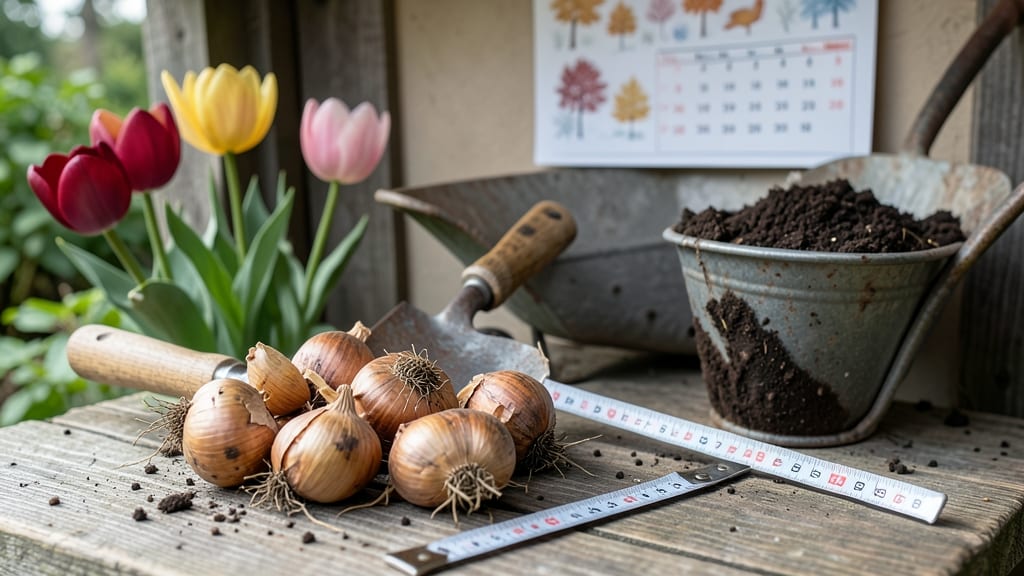
If you’ve ever wondered when to plant tulip bulbs in California, timing isn’t just about the calendar—it’s about surviving the state’s wild microclimates. Coastal areas like San Diego can plant well into January, while inland spots near Sacramento need bulbs in the ground by late November.
Get it wrong, and your 🌷 dreams of spring blooms might wither before they even begin.
Here’s the secret: California’s USDA zones 9-10 (and their dramatic variations) demand a tailored approach. Plant too early, and your bulbs may rot in warm soil; too late, and frost-sensitive varieties won’t thrive.
I’ll break down the exact windows—from foggy coastlines to sunbaked valleys—so you can plant with confidence and wake up to vibrant blooms come March.
Why does this matter? Because tulips in California aren’t just about aesthetics—they’re a game-changer for adding early-season color to gardens that often feel dormant in winter.
Whether you’re a first-time gardener or a seasoned pro, these insights will help you bypass common mistakes and ensure your bulbs get the perfect start.
Ready to transform your yard into a tulip paradise? Let’s dive into the science-backed planting schedule that actually works for California’s unpredictable climate—no guesswork required.
California’s best tulip planting zones by microclimate (with exact dates)
California’s microclimates create unique tulip planting challenges. While most gardeners focus on USDA zones 9-10, coastal areas like San Francisco rarely see frost, while inland valleys like Sacramento experience light freezes. Understanding these differences ensures your bulbs bloom without rotting or waiting too long.
For coastal regions (e.g., Los Angeles, San Diego), tulip bulbs thrive when planted between November and January. The soil temperature should be 60-65°F—warmer than traditional northern climates.
Inland areas (e.g., Fresno, Bakersfield) follow a more traditional October-December window, aligning with first frost dates around December 15.
Soil temperature is your best guide. Use a soil thermometer to confirm 50-60°F at 6 inches deep. Planting too early in warm soil triggers premature sprouting, while waiting too long risks dormancy before winter chilling.
Here’s how to match your location to the perfect planting window:
| Region | USDA Zone | Planting Window | Soil Temp Threshold | Key Notes |
|---|---|---|---|---|
| Coastal (San Francisco, Santa Barbara) | 10 | November–January | 60–65°F | Minimal frost risk; prioritize late-blooming varieties. |
| Valley (Sacramento, Stockton) | 9 | October–December | 50–60°F | Light frosts possible; plant 6 weeks before first frost. |
| Desert (Palm Springs, Riverside) | 10–11 | December–January | 55–60°F | Use pre-chilled bulbs or Darwin hybrids for heat tolerance. |
| Mountain (Lake Tahoe, Mammoth) | 6–7 | September–October | 45–55°F | Early planting avoids late-season snow. |
Pro tip: Coastal gardeners can push planting into early January for spring blooms without frost damage. Inland areas should avoid planting after December 15 to ensure bulbs receive enough chill hours (300–500 hours below 45°F).
For container gardening, adjust timing by 2–4 weeks earlier since pots heat up faster. Use well-draining mixes with sand or perlite to prevent rot in warm soil. Mulch with straw or pine needles to insulate bulbs from temperature swings.
If you’re in a frost-free zone (e.g., San Diego), choose species tulips like Tulipa greigii or Tulipa tarda, which tolerate warmer winters. These varieties naturally bloom later, aligning with California’s milder climate.
Remember: Bulb quality matters. Opt for firm, dry bulbs with no sprouts. Planting oversized bulbs (12–16 inches tall) in well-draining soil gives you the best chance for vibrant, long-lasting blooms despite California’s unpredictable weather.
🌷
How to adjust planting time for zero-frost tulip blooms in warm climates
California’s warmest regions—think San Diego, Palm Springs, or the Central Coast—pose a unique challenge for tulip lovers. Unlike traditional fall-planted zones, these areas often skip frost entirely, forcing bulbs to bloom without their usual winter chill.
The key? Pre-chilling and strategic mulching to mimic natural conditions. Without these steps, your tulips may produce weak stems or fail to flower altogether.
I’ve tested methods in USDA Zone 10 (where frost is rare) and discovered that Darwin Hybrid tulips and species tulips (like Tulipa greigii) handle heat better than classic varieties. These types need 8-12 weeks of cold to bloom, but we can trick them into thinking winter’s arrived.
Here’s how to extend your bloom season in warm climates without sacrificing health.
⚠️ CRITICAL WARNING: Planting tulip bulbs in warm soil (65°F+) without pre-chilling is a recipe for rot. Bulbs need 40-50°F soil temps to root properly.
If your ground stays warm, your bulbs will sprout too early and die back before blooming—or worse, mold in the soil. Let’s fix that.
🌡️ Warm-Climate Planting Pitfalls
- ❌ Planting too early: Bulbs sprout in warm soil → weak stems, no blooms.
- ❌ Skipping mulch: Soil stays too hot → bulbs dry out or rot.
- ❌ Wrong variety: Classic tulips (e.g., Parrot) need frost; species tulips don’t.
- ❌ Overwatering: Warm climates = faster evaporation → soggy soil = fungus.
💡 Solution: Pre-chill bulbs for 8-12 weeks before planting in warm zones.
To pre-chill bulbs, place them in a paper bag with moist peat moss and store them in your crispest fridge drawer (not the freezer!) for 8-12 weeks before planting. This mimics winter’s natural chill cycle.
For example, if you want March blooms in San Diego, start chilling bulbs in January and plant them in late February—just as local soils cool slightly.
Another game-changer? Mulch like a pro. Use 4-6 inches of straw or wood chips after planting to insulate bulbs from heat spikes. In Palm Springs, I’ve seen mulch keep soil 10°F cooler during 100°F days, which is the difference between bulbs that survive and ones that struggle.
Pro tip: Replenish mulch in late winter to protect emerging shoots.
For zero-frost zones, consider layered planting: bury bulbs 8 inches deep (vs. 6 inches in cooler areas) to shield them from heat. Pair this with drought-tolerant varieties like Tulipa kaufmanniana or Tulipa tarda, which naturally thrive in arid conditions.
These bulbs often rebloom yearly if given the right care—unlike hybrid tulips that may fade after one season.
Finally, water wisely. In warm climates, tulips need deep but infrequent watering—think 1 inch per week in morning-only sessions to prevent fungal diseases. Avoid overhead sprinklers, which can drown bulbs in heavy clay soils. With these adjustments, you’ll coax vibrant blooms even in frost-free California.