
Plants
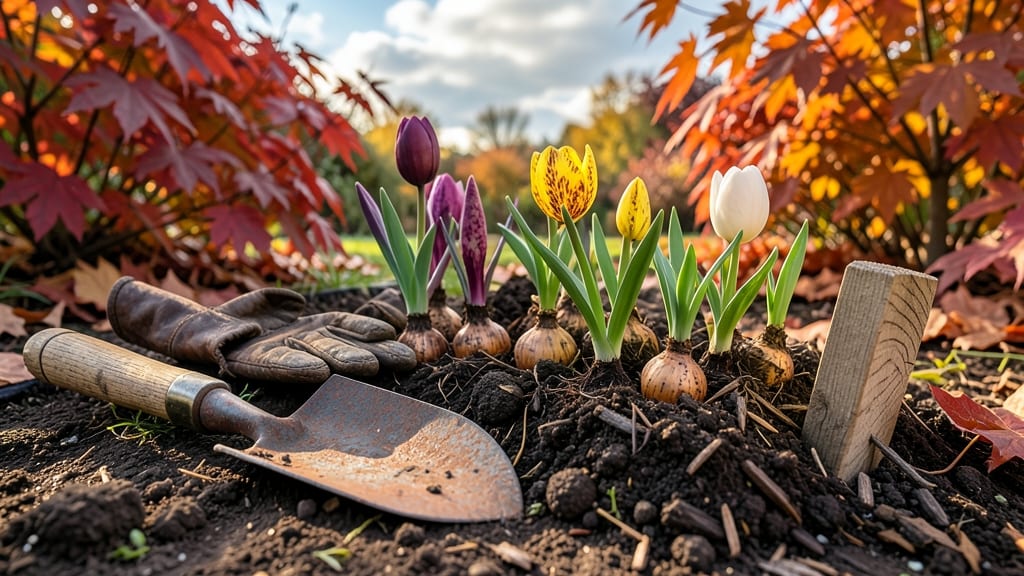
Planting tulips in New York at the wrong time can mean the difference between stunning spring blooms and wasted effort. The perfect window for planting these 🌷 beauties is fall—specifically between October and November—when soil temperatures drop but frost hasn’t yet arrived.
Why does timing matter so much? Tulip bulbs need 4-6 weeks to establish roots before winter sets in. In New York’s Zone 6a, planting too early risks rot, while waiting too late leaves bulbs vulnerable to frost damage.
I’ll break down the exact months and conditions to ensure your tulips thrive.
Whether you’re a first-time gardener or a seasoned pro, getting this right guarantees vibrant blooms come April. You’ll learn how to prepare your soil, choose the best varieties for your region, and avoid common mistakes that ruin planting seasons.
Let’s dive into the step-by-step guide so you can confidently plant tulips this fall—and enjoy a burst of color next spring without the guesswork.
New York tulip planting calendar by hardiness Zone (exact months & deadlines)
New York's USDA zones 5-7 create a 6-week window for planting tulips, but timing varies dramatically between upstate areas and New York City. The key is planting when soil temperatures drop to 50-60°F—this signals bulbs to root before winter dormancy.
In most of New York, this means mid-October to early November, but your exact deadline depends on your specific zone and last frost date.
For Zone 5 (upstate NY), your planting window closes earlier due to colder winters. If you miss the October deadline, you risk frost heaving or bulb rot before roots establish.
Meanwhile, Zone 7 (Long Island, NYC) gardeners have until late November, thanks to milder winters. Even then, planting after the first frost can stress bulbs and reduce next year's blooms.
Here's the golden rule: Aim to plant 4-6 weeks before your area's average first frost date. In New York, this typically lands between October 15 and November 15, but soil temperature is your real guide—not just the calendar.
Use a soil thermometer to confirm when temps hit 55°F consistently.
Pro tip: Early October is your last chance for late-blooming varieties like 'Darwin Hybrid' tulips, which need extra time to root. If you're in Zone 6 (Albany, Rochester), don't wait past November 1—bulbs planted after this risk poor survival through winter.
| Zone | Ideal Planting Window | Last Chance Date | Soil Temp Trigger | Notes |
|---|---|---|---|---|
| 5 (Upstate: Buffalo, Syracuse) | Mid-October to October 31 | November 10 | 50-55°F | Snow cover helps insulate bulbs |
| 6 (Albany, Rochester) | Late October to November 1 | November 15 | 50-58°F | Mulch after planting |
| 7 (NYC, Long Island) | October 20 to November 20 | December 1 | 55-60°F | Later planting possible with protection |
If you're unsure about your zone, check the USDA Plant Hardiness Zone Map or use your zip code in a local frost date calculator.
For example, Buffalo (Zone 5b) has a first frost around October 18, while New York City (Zone 7b) typically sees its first frost around November 10. Planting too early in warm soil can cause premature sprouting, while waiting too long risks frost damage before roots establish.
For container gardening in NYC, you can extend your window slightly by planting in well-draining pots and moving them to a sheltered location. However, bulbs in containers still need 6-8 weeks to root before winter.
If you're in Zone 6 or 7 and miss the fall window, you can try early spring planting (March), but expect smaller blooms the first year.
Remember: Tulip bulbs need cold to bloom—this is called vernalization. Planting at the right time ensures they get enough chill hours (typically 12-16 weeks below 40°F) to produce flowers. In New York, this happens naturally during winter, but timing your planting correctly maximizes their success.
One final tip: Mark your calendar for late February—this is when you'll start seeing tulip shoots pushing through the soil. If you planted too late, you might see fewer or no shoots until the following year.
The earlier you plant within your zone's window, the healthier and more vigorous your tulips will be next spring.
🌷
5 Critical factors that determine your perfect tulip planting time in NY
New York’s diverse climate—from Upstate’s chilly winters to NYC’s milder urban pockets—means planting times vary slightly. Five key factors will help you pinpoint the ideal window for your location. First, soil temperature is your best guide: tulip bulbs need soil between 40-50°F to root without rotting.
Next, first frost dates set your deadline. In Zone 6a, frost typically arrives by mid-October, leaving you a 4-6 week window to plant. Use local weather data—like National Weather Service alerts—to track shifts in timing each year.
Your tulip variety also plays a role. Dwarf varieties (like 'Tiny Star') can handle earlier planting, while tall standards (like 'Darwin Hybrid') need extra time to root. Check the USDA hardiness zone on bulb packaging for variety-specific advice.
Finally, snow cover can work in your favor. A light dusting of snow acts as insulation, protecting newly planted bulbs from sudden temperature drops. If you’re planting near your zone’s last-chance date, check the 10-day forecast for snow predictions.
Pro tip: Use a moisture meter to ensure soil isn’t soggy—tulips rot in waterlogged conditions. Aim for well-draining soil with a mix of compost to improve texture. With these factors in mind, you’ll nail your planting time every season.
🌷