
Vegetables
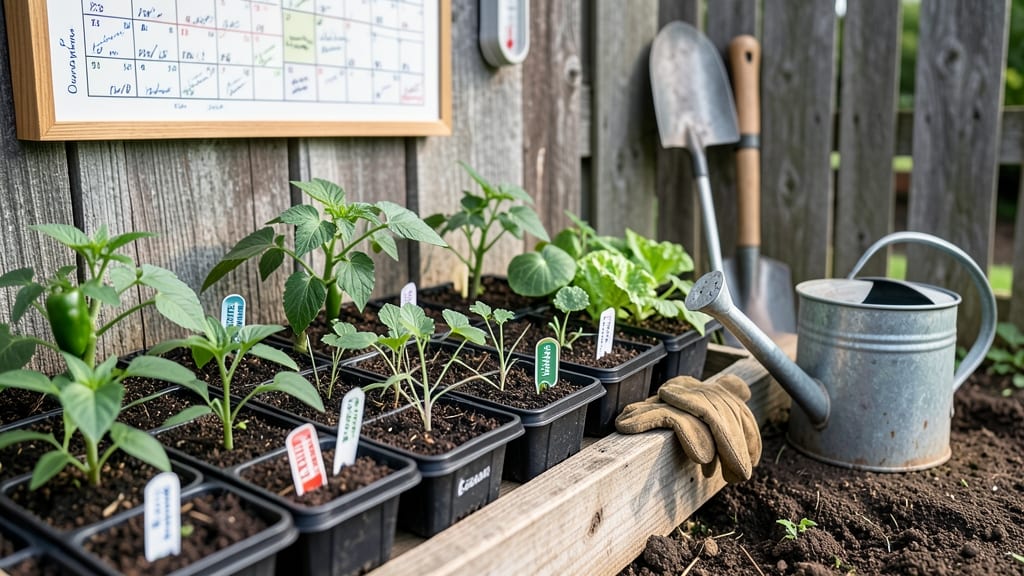
Knowing when to plant vegetables in Oklahoma can mean the difference between a thriving garden and a sad pile of frost-nipped seedlings. The Sooner State’s unpredictable spring weather—where temperatures can swing from icy mornings to scorching afternoons in a single week—makes timing everything.
If you’ve ever watched your spring greens wilt overnight or your tomato plants struggle under early heat, you’re not alone. But with the right planting schedule, you can beat Oklahoma’s quirks and enjoy fresh produce from March through October.
Let’s break down the exact windows for cool-season crops like lettuce and warm-season favorites like peppers, so you can plant with confidence.
The key? Starting seeds indoors 6-8 weeks before your area’s last frost—or transplanting hardened-off seedlings when soil temps hit 60°F. Whether you’re in Zone 7a (northern Oklahoma) or Zone 8b (south), I’ll show you how to sync your planting with Oklahoma’s frost-free dates and microclimates.
Ready to turn your garden into a year-round harvest? By the end, you’ll know exactly when to sow each vegetable—and how to protect tender plants from Oklahoma’s infamous late frosts. Let’s get growing!
Oklahoma’s last-frost dates by county: the critical planting timeline you can’t ignore
Oklahoma’s last-frost dates vary dramatically from the panhandle to the south, creating a 3-week window between early March and mid-April for planting.
In USDA Zones 6b-7a, most counties experience their final frost between March 15 and April 15, but elevation and microclimates can shift these dates by weeks.
For example, Oklahoma City (Zone 7a) typically sees its last frost around March 31, while Tulsa (Zone 7b) averages April 5. Understanding these variations ensures you plant cool-season crops early enough to avoid frost damage while warm-season plants get a head start.
Why does this matter? Planting peas or lettuce too late risks frost-killed seedlings, while tomatoes or peppers planted before soil warms (60°F+) will rot or fail.
The key is aligning your planting calendar with your county’s last-frost average, then adjusting for 30-year climate trends showing Oklahoma’s last frosts arriving 5-7 days earlier than in the 1980s. For instance, Lawton’s last frost has shifted from April 1 to March 25 over the past decade.
Here’s how to use this data: If you’re in Zone 6b (northwest Oklahoma), wait until April 15 to plant cold-sensitive crops like cucumbers. In Zone 7a (central Oklahoma), you can start spinach or radishes as early as February 15 under row covers.
The comparison table below breaks down last-frost dates by region, plus ideal planting windows for your top 10 Oklahoma vegetables.
For urban gardeners in Oklahoma City, microclimates near concrete or brick buildings can delay last frosts by 7-10 days compared to rural areas. Meanwhile, high-elevation spots (like Wichita Mountains) may experience frosts 2 weeks later than valley floors.
To hedge your bets, use frost cloth or row covers to protect seedlings until May 1, even in southern Oklahoma. This tactic lets you plant tomatoes and peppers 2 weeks earlier than the average last-frost date.
Another critical factor is first-frost dates, which determine your fall planting window. In Zone 6b, expect first frosts by October 20, while Zone 7b gardens can often push harvests until November 15.
For winter squash or kale, this means you can direct-sow as late as September 1 in southern Oklahoma. Always calculate your frost-free days by subtracting last-frost from first-frost—
Best vegetables to plant by month in Oklahoma (with frost-proofing tips)
Oklahoma’s growing season stretches from early March to late October, but not all vegetables thrive in the same months. Cool-season crops like lettuce and peas love the mild spring, while tomatoes and okra need the heat of summer.
Let’s break down the best planting windows for each month—and how to protect tender plants from Oklahoma’s infamous late frosts.
For March and April, focus on frost-tolerant crops like kale, spinach, and radishes. These can handle light frosts, but cover them with row covers if temperatures dip below 25°F.
Meanwhile, start warm-season crops like peppers and eggplants indoors under grow lights, so they’re ready to transplant after the last frost.
🌱 Pro Tip: Use black plastic mulch to warm soil faster for heat-loving plants, or straw mulch to insulate cool-season crops. This trick can extend your growing season by 2-3 weeks in both directions.
| Month | Cool-Season Crops | Warm-Season Crops | Frost-Proofing Tip |
|---|---|---|---|
| March | Lettuce, Peas, Spinach, Radishes | Start Peppers/Eggplants Indoors | Use row covers for 25°F nights |
| April | Broccoli, Cabbage, Carrots | Transplant Tomatoes | Hardening off seedlings |
| May | None (too warm) | Okra, Sweet Potatoes, Cucumbers | Black plastic mulch for soil warmth |
| June–August | None (peak heat) | All warm-season crops | Shade cloth for 95°F+ days |
| September | Kale, Swiss Chard, Turnips | Plant late tomatoes | Cold frames for extension |
| October | Garlic, Onions, Spinach | None (too cold) | Harvest before first frost |
June through August is prime time for warm-season powerhouses like squash, beans, and corn. But Oklahoma’s summer heat can be brutal—so mulch heavily to retain moisture and use shade cloth to protect plants from 95°F+ temperatures. Even tomatoes and peppers benefit from afternoon shade during peak heat.
Don’t forget fall planting! September and October are perfect for cool-season crops like kale and spinach, which actually taste sweeter after a light frost. Use cold frames or row covers to extend harvests into November, especially in Zone 8b (southern Oklahoma).
🌿 Remember: Oklahoma’s first frost typically arrives between October 15 (south) and November 1 (north). Plan your fall crops accordingly—some varieties, like garlic, can even be planted in late October for a spring harvest!