
Plants
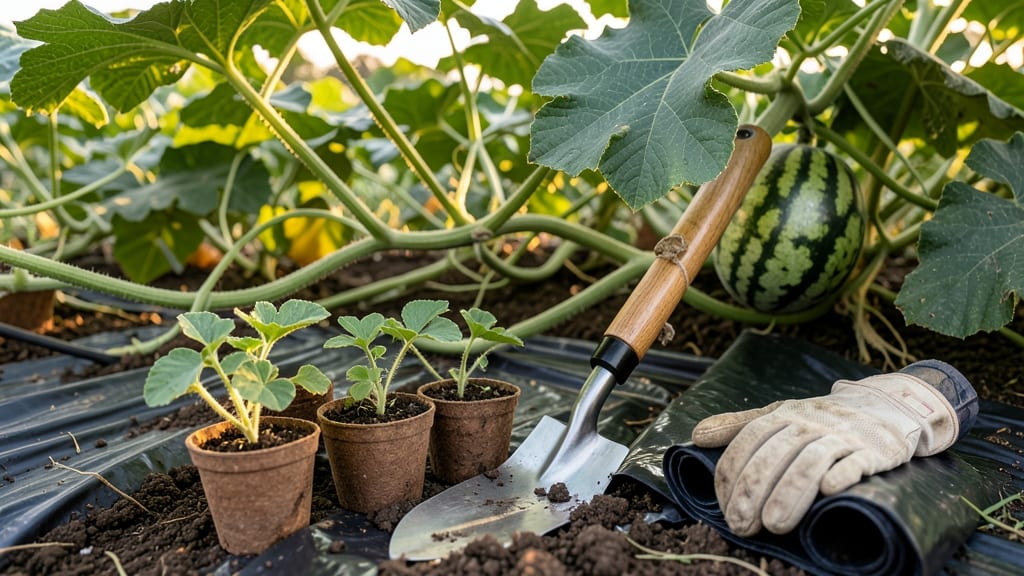
Planting your 🍉 watermelon at the wrong time in Ohio could mean the difference between juicy, sweet slices and bitter disappointment. With USDA Zone 6a frost dates that shift yearly, getting the timing right is the key to a bountiful harvest.
Most Ohio gardeners swear by mid-April to early May as the ideal window—but that’s just the starting point. Soil temperature matters just as much as calendar dates, and waiting until the ground reaches a steady 70°F+ ensures your seeds sprout strong and healthy.
Whether you’re sowing directly or starting indoors, I’ll break down the exact steps to match Ohio’s unpredictable spring. From northern Ohio’s cooler microclimates to southern regions with earlier warmth, you’ll learn how to adjust for your specific corner of the state.
Ready to avoid frost risks and maximize your July-to-September harvest? Let’s dive into the zone-specific deadlines that’ll set your watermelon vines up for success.
Ohio planting zones: exact last-frost dates for watermelon success
Ohio’s USDA zones 5-8 create dramatic differences in last-frost dates, which directly impact your watermelon planting window. In southern Ohio (zone 7-8), you can start as early as mid-April, while northeast Ohio (zone 5-6) often waits until early May.
These variations mean a 3-4 week difference in when you can safely plant seeds outdoors.
Watermelons need soil temperatures above 75°F to germinate properly—cold soil delays sprouting or causes seed rot. Use a soil thermometer to confirm readiness, especially in northern Ohio where spring warmth arrives later.
Most Ohio gardeners aim for mid-May as a safe baseline, but your exact timing depends on your microclimate and frost risk.
Here’s how Ohio’s zones break down for watermelon planting success, including average last-frost dates and recommended planting windows:
| Zone | Last Frost Date | Soil Temp Threshold | Planting Window | Notes |
|---|---|---|---|---|
| 5 (Northeast Ohio) | May 10–15 | 75°F+ (wait for 7–10 days after last frost) | Late May | Use row covers for early starts; shorter season favors fast-maturing varieties. |
| 6 (Central Ohio) | April 25–May 5 | 75°F+ (mid-April to early May) | Early to mid-May | Balanced climate; ideal for most watermelon varieties. |
| 7 (Southwest Ohio) | April 10–20 | 75°F+ (early April) | Mid-April to early May | Longer season; can experiment with earlier varieties like 'Early Moonlight'. |
| 8 (Extreme Southwest) | March 25–April 10 | 75°F+ (late March) | Late March to April | Warmest zone; can plant as early as March 30 if soil is ready. |
To pinpoint your exact last-frost date, check the Ohio State University Extension’s frost maps or use the National Weather Service’s climate tool. For example, Columbus (zone 6) averages its last frost on April 28, while Cleveland (zone 5) typically waits until May 12.
Even within cities, urban heat islands can create 2–3 warmer microclimates, so monitor your specific garden spot.
For direct sowing (planting seeds outdoors), aim to have 90–100 days until your first frost. Ohio’s first frost usually arrives between October 10–20, so count backward from your zone’s average. Transplants (young plants) can tolerate slightly cooler soil but still need warm nights above 60°F to thrive.
Pro tip: If your spring is unusually cold, opt for heat-tolerant varieties like 'Sugar Baby' (70-day maturity) or 'Crimson Sweet' (85 days). These handle Ohio’s late-summer heat better than slower varieties. Pair this with black plastic mulch to warm soil faster—a game-changer for northern Ohio gardens.
Remember, soil temperature matters more than air temperature. Even if daytime highs reach 70°F, soil may still be 50°F at depth. Use a soil thermometer (inserted 2 inches deep) to confirm readiness. If soil is below 70°F, delay planting or use row covers to accelerate warming.
For container growing, add 2–3 weeks to your planting timeline since pots heat up slower. Place containers on black plastic or heat mats to maintain 75°F+ soil. In zone 5, this might push your planting window to late May or early June.
Finally, track your local frost history for 3 years to spot patterns. Some Ohio regions, like the Lake Erie shoreline, experience delayed springs due to lake breezes, while inland valleys warm up faster. Adjust your planting date by 1–2 weeks based on your observations.
🌱
How to adjust planting for Ohio’s unpredictable weather patterns
Ohio’s spring weather can be as unpredictable as a toddler’s mood—one day sunny, the next a surprise frost. But with the right strategies, you can extend your watermelon growing season and protect tender seedlings.
I’ve grown watermelons in Northern Ohio’s Zone 5b and Southwestern Ohio’s Zone 6b, and these tricks have saved my harvests more than once.
First, start seeds indoors 3-4 weeks before your average last frost date (use a heat mat to keep soil at 75°F+). For most of Ohio, that means early April for northern regions and late March for southern areas.
Transplant seedlings outdoors only after soil warms to 70°F+—use a soil thermometer to check!
🌱
Don’t let Ohio’s humidity spikes derail your progress—watermelons hate soggy feet. Amend your soil with compost or aged manure to improve drainage, and mulch heavily with straw to prevent fungal diseases like powdery mildew.
In Zone 5b, I’ve had success using black plastic mulch to warm soil faster and suppress weeds.
For late-summer heat stress, focus on deep watering (1-2 inches per week) and shade cloth during peak afternoon sun. If your vines wilt in 95°F+ heat, they’re not dead—just thirsty! Water at the base of plants in the morning to reduce evaporation.
💧
Pro tip: Monitor your local microclimate—urban areas stay warmer than rural spots, and south-facing slopes thaw earlier. Use a free frost calendar from the Ohio State University Extension to track your specific county’s trends.
With these adjustments, you’ll beat Ohio’s weather and enjoy homegrown watermelons from July through September!