
Plants
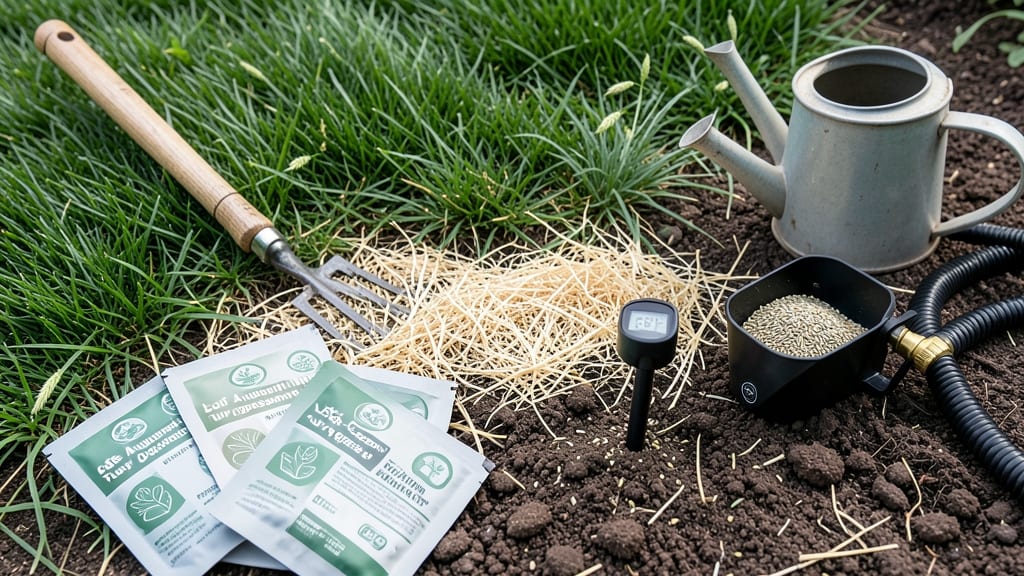
If you're staring at a bare patch of soil in Michigan and wondering "when is it too late to plant grass seed", the answer depends on your exact location and the next frost date—but here's the hard truth: pushing past mid-October in most zones risks weak germination and winter kill.
Michigan's 5b-6b climate gives you a narrow window between spring's last frost and fall's first chill. While early spring (March-April) is ideal, late-season plantings can still work with the right prep—but only if you act fast. The key isn't just the calendar date, but soil temperature and your specific microclimate.
I'll break down exactly which weeks are safe for your region, plus 5 critical signs you've waited too long. Spoiler: if your nights dip below 50°F, your seed is fighting an uphill battle. Let's save your lawn before winter sets in.
Whether you're in the Upper Peninsula or southern Michigan, we'll cover zone-specific deadlines and alternative solutions like overseeding or frost protection. Don't let another season of bare spots ruin your yard—your grass is waiting for the right moment.
Michigan’s grass seed planting deadlines by USDA Zone (weeks 30-45)
Michigan’s USDA Zones 5b-6b create distinct planting windows for cool-season grasses (like Kentucky bluegrass) and warm-season grasses (like Bermuda). For most of the state, the ideal window is 4-6 weeks before the first frost—typically late August to mid-September—but timing varies by region.
In the Upper Peninsula (Zone 5b), frost arrives earlier (mid-October), while southern Michigan (Zone 6b) can push planting until late October.
For spring planting, aim for after the last frost (mid-April to early May), when soil temperatures hit at least 50°F (10°C). Planting too late in fall risks frost damage before roots establish, while spring planting too early means battling weeds and drought stress.
Here’s your zone-specific deadline guide for Michigan, broken down by week (counting from Week 30, roughly mid-July):
| Region | USDA Zone | Last Safe Week for Fall Planting | Soil Temp Threshold (°F) | Key Risk |
|---|---|---|---|---|
| Upper Peninsula | 5b | Week 42 (early Oct) | 50°F (10°C) | Early frost (mid-Oct) |
| Northern Lower Peninsula | 6a | Week 43 (mid-Oct) | 50°F (10°C) | Weed competition |
| Southern Michigan | 6b | Week 44 (late Oct) | 50°F (10°C) | Slow germination |
📅 Pro Tip: Use a soil thermometer to confirm temps before planting.
If you’re in Zone 5b (UP), planting after Week 42 (early October) is risky—seedlings may not establish roots before frost. For Zone 6b (southern MI), you can push it to late October, but germination slows below 60°F (15°C).
Always check the National Weather Service’s frost predictions for your area to adjust your timeline.
For warm-season grasses (like Zoysia or Buffalo grass), the window is shorter: late May to early July. These grasses struggle in Michigan’s cool climate and are rarely used for full lawns, but they thrive in southeastern Michigan’s warmer microclimates.
Missed the deadline? Don’t panic. Overseeding in spring or installing sod in early fall are great alternatives. Just prioritize soil prep—remove weeds, loosen compacted soil, and test pH (ideal: 6.0–7.0).
One common mistake is planting too late in spring (after June). By then, summer heat and drought stress seedlings. If you’re late, opt for shade-tolerant varieties like fine fescue or use mulch to retain moisture. 🌱
For urban areas (like Detroit or Grand Rapids), microclimates can extend the window by 1–2 weeks. If your lawn is near pavement or buildings, it may stay warmer, allowing later planting. Always monitor nighttime temperatures—if they dip below 40°F (4°C), germination halts.
Finally, consider seed blends with fast-germinating varieties like annual ryegrass (germinates in 5–10 days). These can buy you extra time in marginal conditions. Pair them with a light frost blanket for added protection.
5 Critical signs it’s Too Late to Plant Grass Seed in Michigan (And What to Do Instead)
If your soil temperature drops below 50°F (10°C) at night, your grass seed is already fighting a losing battle.
Michigan’s fall frost sneaks in faster than you think, and once temperatures dip consistently below this threshold, germination rates plummet to 10-20%—meaning most of your seed will just rot in the soil.
Watch for frost warnings in your area—even a light frost can kill newly sprouted grass. The National Weather Service’s first frost date for Michigan typically falls between mid-October (southern regions) and early October (Upper Peninsula). If you’re planting after these dates, you’re rolling the dice.
If you’ve spotted 2+ of these signs, it’s time to pivot. Instead of wasting seed, try overseeding next spring or installing sod—it establishes faster and handles cold better.
For now, cover bare spots with winter ryegrass (a cold-hardy cover crop) to prevent erosion and improve soil for next year.
Pro tip: Mark your calendar for early September next year—this is the sweet spot for Michigan’s fall planting window. By then, soil stays warm enough for germination, but frosts are still 6+ weeks away, giving grass time to root deeply before winter.
Don’t let another season of bare patches ruin your lawn—act now before the first frost locks you out of the planting window for months. Your future self (and your lawn) will thank you! 🌱