
Plants
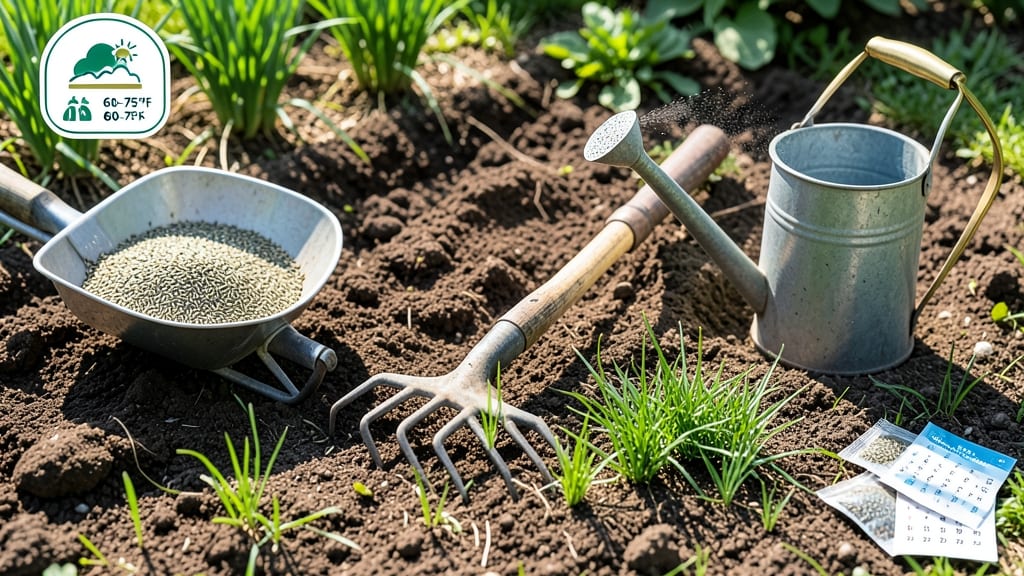
Timing your Grass Seed (Cool-Season) planting just right in spring can mean the difference between a lush, green lawn and weeks of disappointment. If you plant too early, cold soil will slow germination, while waiting too late risks summer heat stress.
For Zone 6 and similar climates, the sweet spot arrives 4-6 weeks before your last frost—typically March to early April—but there’s more to it than just dates.
Soil temperature is the real game-changer here. Cool-season grasses like Kentucky Bluegrass and Tall Fescue need soil that’s warmed to 50°F–65°F for optimal growth. Too cold, and your seeds will sit dormant; too warm, and they’ll dry out before sprouting.
I’ll show you exactly how to check your soil’s readiness and adjust your planting schedule for fast, even germination—no guesswork involved.
But here’s the catch: regional differences matter. Northern areas might wait until late April, while Southern zones could start as early as February. We’ll break down the month-by-month planting calendar for your specific zone, plus common mistakes that sabotage even the best-laid plans.
Whether you’re seeding a new lawn or repairing bare patches, these insights will help you avoid costly errors.
Ready to transform your patchy yard into a vibrant carpet of green? Let’s dive into the science and secrets behind planting Grass Seed (Cool-Season) at the perfect moment—so you can enjoy your lawn all season long without the frustration.
Ideal soil temperature ranges for planting grass seed in spring
Getting your soil temperature right is the secret to fast, even germination when planting grass seed in spring. Most cool-season grasses—like Kentucky Bluegrass and Tall Fescue—thrive when soil reaches 50°F–65°F. Warm-season grasses, such as Bermuda or Zoysia, need warmer soil at 65°F–75°F to sprout properly.
Why does temperature matter so much? Grass seeds require consistent warmth to activate enzymes that break down stored nutrients. If your soil is too cold, seeds may rot; if it’s too hot, they’ll dry out before sprouting.
I’ve seen firsthand how a 5°F difference can delay germination by 1–2 weeks, turning a quick project into a long wait.
Here’s how to check your soil’s readiness: Use a soil thermometer (dig it 2 inches deep) in the morning for the most accurate reading. Avoid midday when sun can skew results.
For most regions, this means waiting until late March or early April in Zone 6, but timing shifts with your location.
| Grass Type | Ideal Soil Temp (°F) | Best Planting Window | Regional Adjustments |
|---|---|---|---|
| Cool-Season (Kentucky Bluegrass, Tall Fescue) | 50°F–65°F | 4–6 weeks before last frost | Northern zones: Wait until late April; Southern zones: Start in February |
| Warm-Season (Bermuda, Zoysia) | 65°F–75°F | After last frost, soil warmed | Southern zones: April–May; Northern zones: June |
| Ryegrass (Fast-Germinating) | 40°F–60°F | Early spring or fall | Tolerates cooler soils; great for overseeding |
If your soil is too cold, you can speed up warming by covering bare patches with black plastic mulch for 1–2 weeks. This traps heat and can raise soil temps by 10°F–15°F.
Just remove it before planting to avoid overheating the seeds. For cooler climates, starter fertilizer with phosphorus can also help kickstart root growth in marginal conditions.
Another pro tip: Water your soil the night before testing. Moisture helps conduct heat more evenly, giving you a truer reading. And if you’re in doubt, plant a small test patch—this lets you monitor germination progress without committing to your entire lawn.
Regional microclimates play a huge role too. A south-facing slope warms up faster than a shaded yard, so adjust your timing accordingly. For example, in Zone 7, you might start in mid-March on a sunny hillside but wait until late April in a low-lying, shady area.
Finally, avoid planting when nighttime temps dip below 40°F. Cold snaps can shock young seedlings, stunting their growth. Use a frost cloth if early spring brings unexpected chilly nights—it’s a small investment for a head start on your lawn.
Once your soil hits the sweet spot, germination typically takes 7–21 days, depending on the grass type. Keep the soil consistently moist (but not soggy) during this window, and you’ll see those first green shoots in no time!
Spring planting timeline by US hardiness zones: month-by-month guide
Timing your grass seed planting to match your USDA hardiness zone is the key to avoiding patchy lawns and wasted effort. While Zone 6 gardeners typically aim for March–April, zones with earlier or later last frosts require different strategies.
For example, Zone 3 areas might wait until late April, while Zone 9 can start as early as February—but only if soil temps are right.
Here’s the rule of thumb: Plant 4–6 weeks before your last frost date for cool-season grasses like Kentucky Bluegrass or Tall Fescue. This window ensures seeds germinate before summer heat arrives.
Warm-season grasses, such as Bermuda or Zoysia, need to wait until soil reaches 65°F–75°F, often late spring or early summer.
- 🌱 Zone 3–5 (Cold Climates): Late April–Early May (soil temps 50°F+). Early planting risks frost damage.
- 🌿 Zone 6–7 (Temperate): March–April (4–6 weeks before last frost). Ideal for Kentucky Bluegrass and Fescue.
- ☀️ Zone 8–10 (Warm Climates): February–March (cool-season) or June–July (warm-season). Avoid summer heat stress.
For Zone 6, where most gardeners live, I recommend starting in early April if your last frost is April 15. But check your local Almanac—some years bring early warmth, while others linger cold.
Pro tip: Use a soil thermometer to confirm readiness. If temps drop below 50°F at night, delay planting until conditions stabilize.
Regional microclimates also matter. A south-facing yard warms faster than a north-facing slope, so adjust your schedule accordingly. For instance, in Zone 7, you might seed a sunny patch in mid-March but wait until late April in shaded areas.
Always prioritize soil temperature over calendar dates—seeds won’t germinate if conditions aren’t right.
If you miss the spring window, don’t worry—fall planting (September–October) is just as effective for cool-season grasses. Warm-season grasses, however, must be planted in spring or early summer. For a two-season lawn, overseed with ryegrass in fall for winter color, then switch to warm-season varieties in spring.
Finally, keep a planting journal to track success. Note your zone, soil temp, and germination time each year. Over time, you’ll refine your schedule for perfect timing—no more guessing! With the right approach, you’ll enjoy a lush lawn all season long.