
Plants
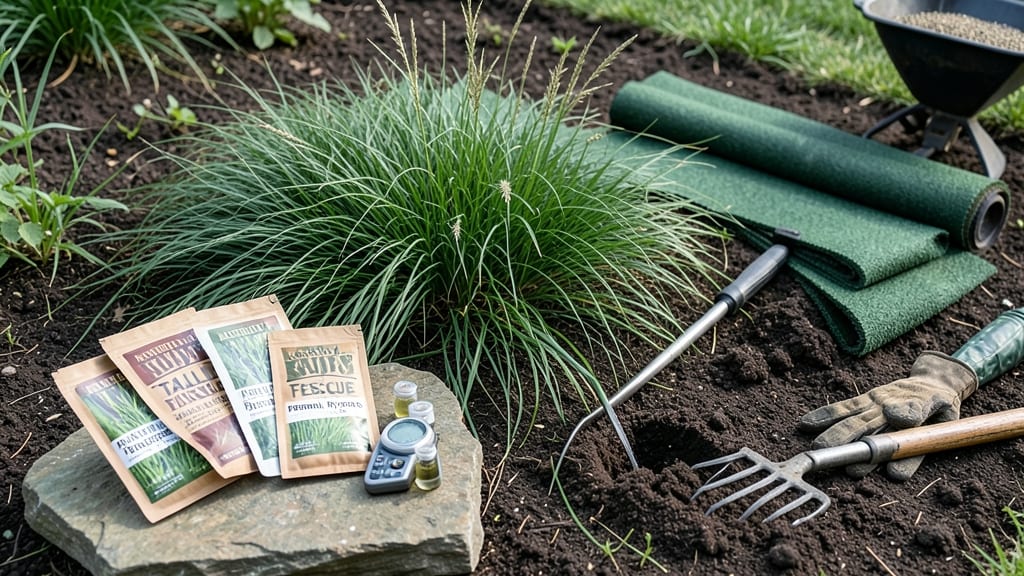
If you're wondering when is the best time to plant grass in Wisconsin, timing is everything—especially when Wisconsin's unpredictable spring weather can turn a perfect lawn into a frost-killed mess if you're not careful.
The 4b-5b zones here mean you’ve got a narrow window to get it right, whether you're seeding in spring or fall.
Most gardeners swear by fall planting—late August to mid-September—because cooler temps and consistent moisture give grass roots a strong start before winter.
But spring planting (early April to late May) works too, as long as you wait until the soil warms to at least 55°F and the last frost has passed. Skip the guesswork: I’ll break down exactly how to read Wisconsin’s soil and climate cues so your grass thrives.
Here’s the kicker: planting too early or too late can mean wasted seed and frustration. You’ll learn how to check soil temperature, adjust for your specific zone, and avoid common mistakes that turn green dreams into brown patches. Let’s get your lawn off to the best possible start.
Whether you’re tackling a new yard or reviving an old one, these tips will save you time, money, and the headache of replanting. Ready to dig in?
Wisconsin grass planting timeline by hardiness zone & soil temperature
Wisconsin’s five USDA hardiness zones (3a-5b) create dramatic differences in planting windows. In zone 3a (northern WI), soil stays cold longer, while zone 5b (southern WI) warms up faster.
For cool-season grasses (like Kentucky bluegrass or fescue), timing is critical—plant too early, and frost kills seedlings; too late, and summer heat stresses roots.
Most Wisconsin gardeners plant in spring (April-May) or fall (September). Spring planting works best after the last frost date (typically mid-May in northern WI, early May in southern WI). Fall planting gives grass 4-6 weeks to establish roots before winter dormancy—ideal for late August to mid-September.
Soil temperature is your best indicator. For cool-season grasses, wait until soil reaches 50°F (10°C) at 4-inch depth. In zone 4a, this usually happens by late April; in zone 5b, it’s often mid-April.
Warm-season grasses (like Bermuda) need 65°F+ soil, which rarely aligns with WI’s climate.
Here’s how to align planting with your zone and soil conditions:
| Zone | Spring Planting Window | Fall Planting Window | Soil Temp Threshold | Last Frost Date |
|---|---|---|---|---|
| 3a (North) | Late May - Early June | Mid-August - Late August | 50°F (10°C) | Mid-May |
| 4a (Central) | Early May - Late May | Late August - Early September | 50°F (10°C) | Early May |
| 4b (South-Central) | Late April - Early May | Early September - Mid-September | 50°F (10°C) | Late April |
| 5a (Southeast) | Early April - Late April | Mid-September - Late September | 50°F (10°C) | Mid-April |
| 5b (Far South) | Late March - Early April | Late September - Early October | 50°F (10°C) | Early April |
Fall planting is often preferred in Wisconsin because it gives grass a head start before summer heat arrives. Aim to plant 4-6 weeks before the first frost—this ensures roots establish before winter dormancy.
In zone 3a, that’s mid-August; in zone 5b, it stretches to early October.
If you miss fall, don’t panic—spring planting still works well. Just test soil temperature weekly starting in mid-March. Use a soil thermometer (or DIY with a meat thermometer) to check 4-inch depth. Once soil hits 50°F consistently, it’s time to plant.
Wisconsin’s microclimates (like urban heat islands or lake-effect zones) can shift ideal dates by 1-2 weeks. For example, Milwaukee (zone 5b) warms faster than Green Bay (zone 4b).
Adjust planting dates based on your local frost-free history—check the National Weather Service or WI DNR for your county’s trends.
For cool-season grasses, which dominate WI lawns, September is ideal.
These grasses grow best in 50-75°F soil and enter dormancy as temps drop. Warm-season grasses (like zoysia) are rare in WI but need 75°F+ soil—planting them in late spring or early summer is risky due to short growing seasons.
Remember: Soil temperature > air temperature. A 70°F day in April might still have 40°F soil. Always check soil warmth before planting—your grass’s success depends on it. 🌱
How to check soil temperature & adjust planting for Wisconsin’s microclimates
Testing soil temperature is the #1 way to avoid planting grass too early or too late in Wisconsin. Air temperature can be misleading—while April might feel spring-like, soil can still be 40°F or colder at planting depth.
For cool-season grasses, wait until soil reaches 50°F (10°C) at 4-inch depth; for warm-season grasses (like Bermuda), aim for 65°F+.
Here’s how I check soil temperature in my zone 4b yard: I use a soil thermometer (or a repurposed meat thermometer) to test 4 inches deep in the morning (soil is coolest then).
In northern WI, this might not happen until late May; in southern WI, it could be as early as mid-April.
Wisconsin’s microclimates can shift planting windows by 1-3 weeks.
For example: - Urban areas (like Milwaukee) warm 1-2 weeks faster than rural zones due to heat islands. - Lake-effect zones (near Lake Michigan) may have cooler soils in spring and warmer soils in fall. - South-facing slopes warm earlier than shaded yards.
- 🌡️ Step 1: Test soil at 4-inch depth (seedling roots grow here). Use a soil thermometer or DIY with a meat thermometer.
- 📅 Step 2: Check morning temps (soil is coolest). Wait until 50°F+ for cool-season grasses.
- 🗺️ Step 3: Adjust for microclimates. Add 1-2 weeks if your yard is shaded or near water.
- ⏰ Step 4: Plant 4-6 weeks before first frost in fall (soil cools to 50°F by October).
- 📊 Step 5: Track 3-day averages. A single warm day doesn’t mean soil is ready.
If you’re planting in spring, start testing soil in mid-March. In fall, aim for late August in northern WI or early September in southern WI—this gives grass 4-6 weeks to root before winter. Pro tip: Mulch lightly after planting to retain soil warmth and moisture.
For warm-season grasses (rare in WI), soil must stay 65°F+ for 2+ weeks. This usually happens by late May in southern WI but is nearly impossible in zone 3a. Stick with cool-season varieties like Kentucky bluegrass or tall fescue—they’re hardier and low-maintenance for WI’s climate.
Don’t let air temperature fool you! A 70°F day in April can still have 40°F soil. Use a soil thermometer to avoid planting too soon—your grass’s survival depends on it. 🌱