
Plants
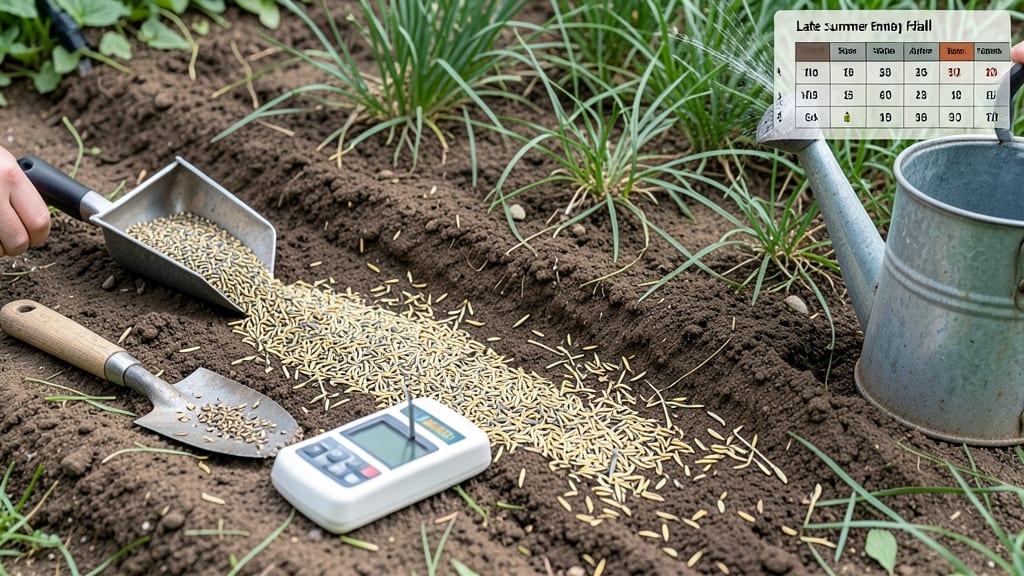
Planting grass seed at the wrong time in Virginia can mean wasted money and patchy lawns—yet timing varies dramatically by region, from the humid coast to the Piedmont’s dry summers.
If you’ve ever stared at a seed packet wondering when is the best time to plant grass seed in Virginia, you’re not alone.
The key to a lush, green lawn lies in understanding your local microclimate. Whether you’re in the cooler 6a mountains or the warmer 8a Tidewater, the ideal window isn’t just spring or fall—it’s 4-6 weeks before your first frost or after the last one.
This timing ensures your 🌱 turfgrass establishes strong roots before summer heat or winter chill sets in.
In this guide, I’ll break down the exact deadlines for your Virginia region, including soil temperature thresholds and rainfall patterns that make or break success. You’ll also discover how to prepare your lawn for peak germination, from soil testing to seed selection tailored to your zone.
Skip the guesswork and learn the best strategies to transform your lawn from bare soil to vibrant green—without the frustration of failed attempts. Let’s get started.
Virginia’s ideal grass planting windows: spring vs. fall deadlines by microclimate
Virginia’s climate spans from the humid Coastal Plain to the cooler Mountains, creating three distinct planting zones for grass seed. Each region has its own last-chance deadlines—miss them, and you risk weak germination or summer drought stress.
Let’s break down the best windows by microclimate, including soil temperature thresholds and rainfall patterns that make or break success.
For Coastal Virginia (Zones 7b-8a), the window is narrow but forgiving due to mild winters. Plant cool-season grasses like tall fescue or Kentucky bluegrass from mid-September to early October. Spring planting here is risky after April 15 due to summer heat.
In the Piedmont (Zones 6b-7a), aim for late August to mid-September or early March to mid-April—this region’s hot summers demand early fall planting to avoid drought.
Mountain regions (Zones 6a-6b) have the shortest window: late August to early October or mid-April to early May. Cool nights and shorter growing seasons mean you must plant 4-6 weeks before first frost—typically by October 15.
Spring planting here must finish by May 15 to avoid summer heat stress.
| Region | USDA Zone | Best Planting Window | Last-Chance Deadline | Soil Temp Threshold |
|---|---|---|---|---|
| Coastal Plain | 7b-8a | Mid-Sept to Early Oct | Oct 15 | 60-70°F |
| Piedmont | 6b-7a | Late Aug to Mid-Sept | Sept 30 | 55-65°F |
| Mountains | 6a-6b | Late Aug to Early Oct | Oct 15 | 50-60°F |
| Coastal Plain (Spring) | 7b-8a | Early March to Mid-April | April 15 | 55-65°F |
| Piedmont (Spring) | 6b-7a | Early March to Mid-April | April 30 | 50-60°F |
| Mountains (Spring) | 6a-6b | Mid-April to Early May | May 15 | 45-55°F |
Spring planting in Virginia works best for warm-season grasses like Bermuda or Zoysia, which thrive when soil temps hit 65°F+. For cool-season varieties, spring is a secondary option—plant by April 15 in the coast, April 30 inland.
The key is soil temperature, not calendar dates: use a soil thermometer to confirm 55-65°F for cool-season grasses or 65°F+ for warm-season types.
Fall planting dominates Virginia’s lawn care calendar because cooler temps reduce weed competition and drought stress. Seedlings establish roots before winter, emerging stronger in spring. In Coastal Virginia, aim for September 15-October 1; Piedmont gardeners should finish by September 30.
Mountain regions have until October 15, but don’t wait—frost can kill new growth.
Rainfall patterns further refine timing. The Coastal Plain receives 40-45 inches annually, making late fall planting ideal. The Piedmont, with 35-40 inches, benefits from early fall planting to avoid summer drought.
Mountain areas (30-35 inches) must plant earlier to capitalize on autumn rains before winter snowfall.
Pro tip: Check your local Virginia Cooperative Extension reports for 2024 frost predictions—some years, the first frost arrives 2 weeks early, shrinking your window. For example, Blacksburg (Zone 6a) saw frost by October 5 in 2022, while Norfolk (Zone 8a)
Critical factors that make or break your grass seed timing in Virginia
Timing your grass seed planting isn't just about checking a calendar—it's about understanding how soil temperature, rainfall patterns, and humidity levels interact in your Virginia microclimate.
In the Coastal Plain, for example, soil warms faster than in the Piedmont, meaning your planting window shifts earlier by 2-3 weeks. Even within the same county, elevation changes can create 5-10°F temperature differences that affect germination.
For most Virginia regions, the ideal soil temperature for grass seed germination is between 55°F and 75°F. Below 50°F, seeds may rot; above 80°F, they dry out before sprouting. This explains why late spring (May-June) is often a risky time—especially in Zone 7b-8a areas where summer heat arrives early.
The humidity factor also plays a role: Coastal areas maintain higher moisture, while inland zones like the Shenandoah Valley experience faster evaporation.
Rainfall is another critical variable. Virginia receives 40-50 inches annually, but distribution varies wildly. The Tidewater region gets consistent spring rains, while the Blue Ridge Mountains may experience drought-like conditions in early fall.
Aim for 1-1.5 inches of rainfall weekly during germination—either from nature or your hose. Without this moisture, even the best seed won't thrive.
🌱 Pro Tip: Use a soil thermometer ($15 at garden centers) to verify temperatures before planting. Stick it in the ground 2-3 inches deep—this is where your seeds will be. If it reads below 55°F, wait. If above 75°F, consider shade cloth to protect seedlings.
| Factor | Virginia-Specific Range | Critical Thresholds | Adjustment Tips |
|---|---|---|---|
| Soil Temperature | 50°F (Coastal) to 60°F (Mountains) | 55°F-75°F (optimal) | Use black plastic mulch to warm soil 5-10°F faster in spring |
| Rainfall | 40" (Mountains) to 50"+ (Coastal) | 1-1.5" weekly during germination | Install a rain gauge; supplement with drip irrigation if <1" weekly |
| Humidity | 60% (Inland) to 75%+ (Coastal) | Below 50% increases drought stress | Apply mulch to retain moisture; water early morning |
| Daylength | 10-14 hours (varies by season) | <6 hours slows growth; >12 hours risks heat stress | Plant cool-season grasses (e.g., fescue) in fall for longer daylight |
Don't overlook local microclimates—even within 20 miles, conditions can differ dramatically. For instance, Charlottesville's Piedmont (Zone 7b) may have 5°F cooler nights than nearby Orange, delaying your planting window by up to 10 days.
Check your USDA Zone and cross-reference with Almanac frost dates for your specific county. Tools like the Virginia Cooperative Extension's Planting Calendar provide hyper-local insights.
Finally, grass seed varieties respond differently to timing. Cool-season grasses (like tall fescue) thrive when planted in early fall, while warm-season types (such as bermudagrass) need late spring planting.
Mixing varieties without considering these factors can lead to uneven germination and weed competition. Always match your seed choice to your planting window.
By mastering these four critical factors, you'll transform your lawn from a gamble into a guaranteed success—no matter where in Virginia you garden. The difference between a patchy lawn and a lush carpet of green often comes down to these details. 🌿