
Plants
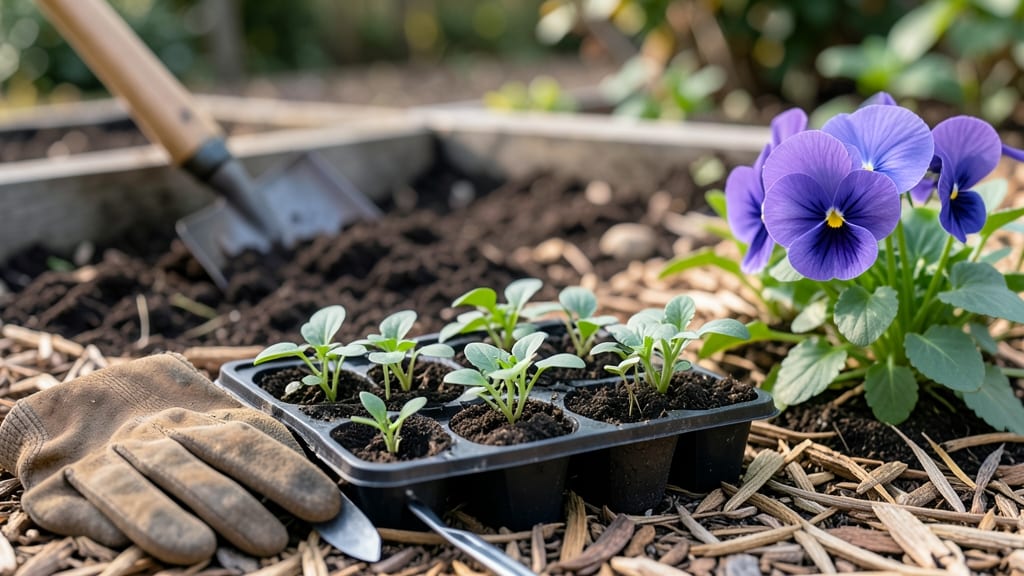
If you’ve ever when is the best time to plant pansies in Georgia, you know timing is everything. Watching your pansies 🌸 wilt under Georgia’s scorching sun or freeze before they even bloom can be frustrating—but get it right, and you’ll enjoy vibrant blooms from fall through spring.
The key to success in Georgia’s 7b to 8b zones lies in understanding frost dates and soil temperatures. Early fall (September–October) is your best shot for winter-hardy blooms, while spring planting in February–March sets you up for summer color—if you act fast enough before the heat sets in.
I’ll walk you through the exact frost-free window for your region, soil prep tips, and even which pansy varieties thrive in Georgia’s humidity. Skip the guesswork and learn how to plant for longer-lasting blooms without the common pitfalls.
Whether you’re a seasoned gardener or just starting, these strategies will help you avoid overwatering, heat stress, and other mistakes that turn pansies into a seasonal flop. Let’s get those flowers blooming beautifully all year.
Georgia’s ideal pansy planting months by climate zone (frost-date guide)
Georgia’s diverse climate—from North Georgia’s chilly winters to South Georgia’s mild winters—means your pansy planting window depends heavily on your USDA zone. Pansies thrive when soil temperatures stay between 45°F and 65°F, and they need 4-6 weeks to establish roots before winter sets in.
Let’s break down the best months for each region to ensure your pansies bloom beautifully.
North Georgia (Zones 7a-7b) experiences the coldest winters, with average first frost dates as early as October 20. Central Georgia (Zones 7b-8a) has a moderate climate, while South Georgia (Zones 8a-8b) rarely sees frost before December 10.
Understanding these variations helps you plant pansies at the perfect time for winter color or spring blooms.
For fall planting (the best time for winter/spring blooms), aim to plant pansies 6-8 weeks before your first frost date.
In North Georgia, this means late August to early September, while Central Georgia gardeners should plant in September, and South Georgia can extend planting until early October. This timing ensures pansies establish roots before winter chill sets in.
Spring planting is also possible for summer blooms, but it requires planting 6-8 weeks before your last frost date. In Georgia, this translates to February to early March for most regions.
However, spring-planted pansies often struggle in Georgia’s hot, humid summers, so they’re best suited for shaded areas or as short-lived summer annuals.
| Region | USDA Zone | First Frost Date | Best Fall Planting Window | Spring Planting Window |
|---|---|---|---|---|
| North Georgia | 7a-7b | October 20 | Late August - Early September | February - Early March |
| Central Georgia | 7b-8a | November 1 | September | February - Early March |
| South Georgia | 8a-8b | December 10 | Early October | February - Early March |
Soil temperature is just as critical as frost dates. Pansies germinate best in soil that’s 55°F to 65°F. Use a soil thermometer to check before planting. If your soil is too cold, wait a few days or use black plastic mulch to warm it up faster.
This is especially important in North Georgia, where cooler soils can delay germination.
For longer blooms, consider planting pansies in two waves: one in early fall for winter color and another in late winter for spring blooms. This technique ensures your garden stays vibrant from October through May.
Just be sure to choose heat-tolerant varieties like ‘Matrix’ or ‘Cool Wave’ if you’re planting for spring blooms in Georgia’s heat.
Another pro tip: Mulch heavily after planting to protect pansy roots from temperature fluctuations. Use 2-3 inches of straw or shredded leaves to insulate soil and retain moisture. This is particularly important in Central and North Georgia, where winter temperatures can drop suddenly.
If you’re in South Georgia, you can even experiment with late summer planting (late July to early August) for fall blooms. However, pansies planted this late may struggle in the intense summer heat, so provide afternoon shade and keep soil consistently moist.
Always prioritize well-draining soil to prevent root rot, a common issue in Georgia’s humid climate.
Remember, pansies are cool-season flowers, so they’ll bolt (go to seed) in summer heat. If you love pansies but want year-round color, pair them with heat-loving annuals like zinnias or marigolds for a seamless transition from spring to summer blooms.
Finally, keep an eye on your local weather forecasts in the weeks leading up to planting. Unexpected early frosts or heatwaves can disrupt your timing. Georgia’s climate is unpredictable, so flexibility is key—adjust your planting schedule as needed to give your pansies the best chance to thrive.
How to extend your pansy blooms: fall vs. spring planting strategies for Georgia gardens
Timing your pansy planting in Georgia isn’t just about avoiding frost—it’s about maximizing bloom duration. Fall-planted pansies often reward gardeners with winter and spring color, while spring plantings can deliver summer blooms before heat stress sets in.
Let’s break down the best strategies for each season, tailored to Georgia’s USDA zones 7b-8b.
For fall planting, aim to get pansies in the ground 4-6 weeks before the first frost (typically by mid-October in North Georgia and late October in South Georgia). This gives roots time to establish before winter, ensuring hardier plants that bounce back in spring.
In Central Georgia, where frosts are less severe, you might extend planting until early November.