
Plants
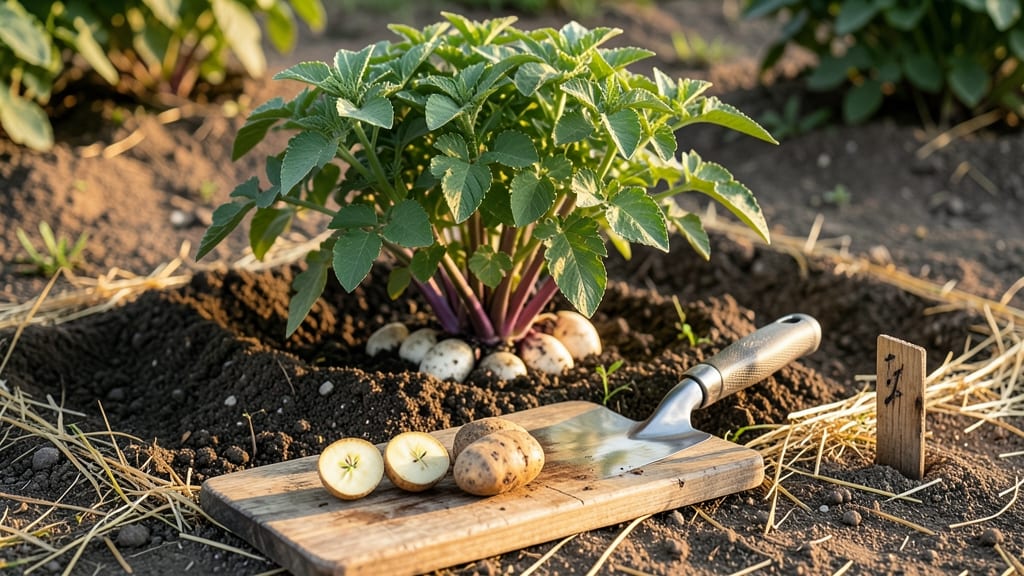
Texas microclimate planting zones: exact weeks to plant potatoes by region
Texas’s diverse climate zones mean your potato planting window could vary by 6+ weeks depending on where you live. North Texas gardeners face late frosts into March, while Gulf Coast growers can plant year-round with minimal risk.
To avoid bolting (when potatoes flower prematurely), we’ve mapped the ideal planting weeks for five key regions—plus the soil temperature thresholds that trigger success.
For North Texas (USDA Zones 8a-8b), like Dallas-Fort Worth, the last average frost typically falls around February 15. This means your best planting window opens 4-6 weeks earlier, in mid-January to early February.
However, soil must reach 45°F (7°C) consistently before planting—waiting for this temperature prevents cold soil shock, which stunts growth. If you’re in West Texas (Panhandle, Zone 7b), push planting back to late February to early March due to colder nights.
Central Texas (Austin, San Antonio, Zone 8b) offers a longer window thanks to milder winters. Here, you can start as early as late January but aim for February 15 to March 15 to align with soil warming trends. The Hill Country’s dry climate and caliche soil may require black plastic mulch to raise soil temps faster—this can shave off 2-3 weeks from your planting timeline.
The Gulf Coast (Houston, Beaumont, Zone 9a) is a year-round potato paradise if you choose the right varieties. For spring plantings, start in January (soil temps are already ideal), but focus on fall plantings (September-October) to avoid summer heat stress.
In South Texas (Brownsville, Zone 10a), you can even plant through December, but prioritize shade cloth during peak summer months to prevent sprout die-off.
Here’s the region-by-region breakdown of your optimal planting weeks, including soil temperature goals and frost risk factors to watch:
| Region | USDA Zone | Best Planting Window | Soil Temp Goal (°F) | Last Frost Date | Key Risk |
|---|---|---|---|---|---|
| North Texas (Dallas, Fort Worth) | 8a-8b | Mid-January to early February | 45°F (7°C) | February 15 | Late frosts |
| West Texas (Panhandle) | 7b | Late February to early March | 50°F (10°C) | March 1 | Cold soil shock |
| Central Texas (Austin, San Antonio) | 8b | February 15 to March 15 | 50°F (10°C) | February 28 | Caliche soil compaction |
| Hill Country (Fredricksburg) | 8a | Late January to early March | 48°F (9°C) | February 20 | Drought stress |
| Gulf Coast (Houston) | 9a | January or September-October | 55°F (13°C) | January 15 | Humidity-related diseases |
| South Texas (Brownsville) | 10a | Year-round (best: Jan-Dec) | 60°F (16°C) | None (tropical) | Heat stress |
Pro tip: Use a soil thermometer to confirm readiness—potatoes won’t sprout until soil hits 50°F (10°C) for 3+ days. In North Texas, this often means waiting until mid-February even if you plant early. For fall plantings (ideal in warmer zones), aim for September 1-October
How to adjust planting time for zero bolt risk: soil temperature and variety matters
Texas’s unpredictable heat can turn your potato patch into a bolt disaster if you don’t time it right. The key to avoiding premature bolting is matching planting dates with soil temperatures and choosing heat-tolerant varieties. Let’s break it down so your tubers grow instead of flowering.
First, test your soil temperature—potatoes need 45–55°F soil to sprout without bolting. Use a soil thermometer (or your finger: cold = good, warm = wait).
In North Texas, aim for late February to early March when soil warms to 50°F. In South Texas, fall planting (September–October) keeps temps ideal longer.
- Yukon Gold – Tolerates heat better than Russets
- Red LaSoda – Thrives in 90°F+ temps
- Purple Majesty – Slow to bolt in Texas heat
- Wait until soil hits 50°F+ (use black plastic mulch to warm soil faster)
- In East Texas, plant 4–6 weeks before last frost (usually February 15)
- In West Texas, opt for fall planting (September–October) to avoid summer heat
- Use row covers to delay spring bolting in North Texas
- Plant early-maturing varieties (e.g., Kennebec) for faster harvests
- Avoid planting in June–August unless using shade cloth
Pro tip: If your seed potatoes sprout in storage, plant them earlier (they’re already ahead). But if they’re dormant, wait until soil warms—cold soil = slow starts and bolting risks.
For South Texas gardeners, fall planting is your best bet. Start late August–September when temps drop below 85°F. Use drip irrigation to keep soil moist without overheating the tubers. And remember: never plant potatoes in standing water—they’ll rot faster than they’ll grow!
Finally, if you’re in the Panhandle, treat potatoes like cool-season crops. Plant as early as February and harvest by late May before summer heat sets in. For Gulf Coast areas, stretch your season with succession planting every 2–3 weeks from September to November.
With these adjustments, you’ll dodge bolting and enjoy a bountiful harvest—no matter where you garden in Texas. Happy planting! 🌱🥔