
Plants
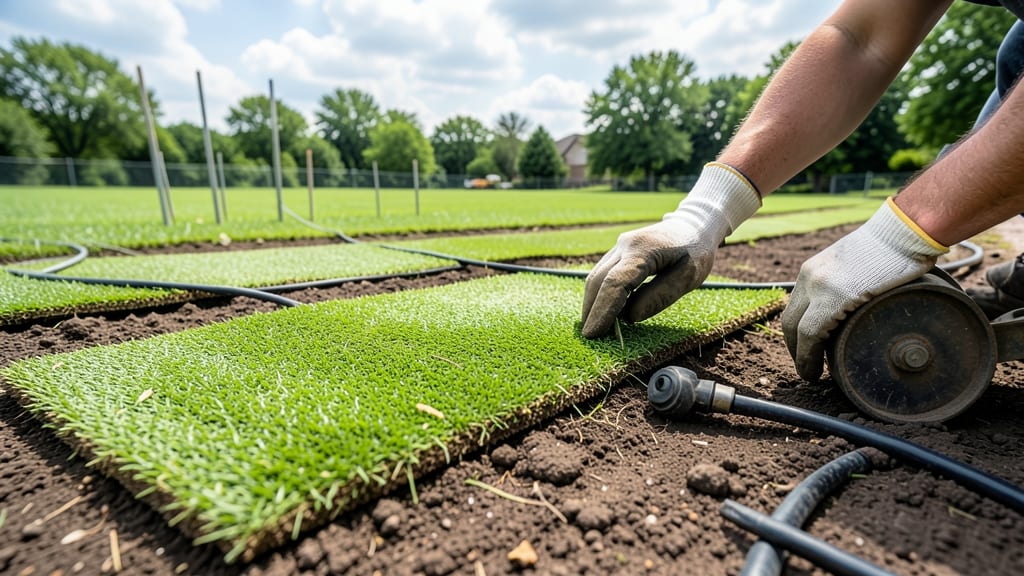
Planting sod in Texas at the wrong time can turn your dream green lawn into a crispy, brown mess—especially when the sun hits 100°F and drought warnings flash on your phone.
The best time isn’t just about seasons; it’s about avoiding those 3 critical mistakes that leave even experienced gardeners pulling their hair out.
You’ve spent big bucks on quality sod, but if you plant it during Texas’s brutal summer heat or skip soil prep, you’re basically betting your lawn on luck. I’ve seen firsthand how spring and fall create the perfect window for root growth—when temperatures are mild, and rain is more reliable.
But here’s the kicker: North Texas and South Texas don’t play by the same rules, and ignoring that detail could cost you months of recovery.
What if I told you the #1 mistake isn’t even about timing? It’s about what happens after you lay that sod. Too much water? Too little? Walking on it too soon?
I’ll break down exactly how to keep your new grass thriving—no guesswork, just proven Texas-specific strategies. Let’s get your lawn off to the right start.
Ready to skip the trial-and-error? Stick around, because we’re diving into the exact months to plant by region, the soil tests you must run, and the watering schedule that’ll have your sod looking lush in just 7 days.
No fluff, just actionable tips to make your Texas lawn the envy of the neighborhood.
Texas sod planting calendar: best months by region (avoid these 3 dead zones)
Texas isn’t one-size-fits-all when it comes to sod planting. North Texas has cooler winters and hotter summers, while South Texas stays warm year-round. Even Central Texas has its own microclimates. Ignoring these differences means risking brown patches, slow root growth, or even total failure.
The key is planting when soil temps are 65–75°F—the sweet spot for sod roots to establish.
Most Texans think spring is the only time to plant sod, but that’s a costly mistake. Fall is actually the best window in most regions because cooler temps reduce stress on new sod.
Even winter can work in South Texas, where frost is rare. The worst time? Summer heat—when sod bakes under the sun and struggles to root.
Here’s the breakdown by region, including the 3 dead zones to avoid:
🌱 Texas Sod Planting Calendar by Region
| Region | Best Planting Months | Dead Zones (Avoid) | Soil Temp Goal (°F) | Key Tip |
|---|---|---|---|---|
| North Texas (Dallas, Fort Worth) | September–November, March–April | June–August (peak heat), December (frost risk) | 65–75°F | Test soil moisture weekly—drought hits hard. |
| Central Texas (Austin, San Antonio) | August–October, February–March | May–July (brutal heat), January (occasional frost) | 68–72°F | Use drought-resistant varieties like Bermuda or Zoysia. |
| South Texas (Houston, Corpus Christi) | Year-round (best: September–April) | None (but avoid heavy rain seasons) | 70–78°F | Watch for hurricane season delays (June–November). |
| West Texas (El Paso, Midland) | September–November, March–April | May–September (extreme heat/drought) | 60–70°F | Mulch heavily to retain moisture. |
🌡️ Pro Tip: Use a soil thermometer—65°F+ is ideal for root growth.
Why does this matter? Soil temperature directly impacts root establishment. If you plant when temps exceed 85°F, sod roots shut down to conserve moisture, leaving your lawn vulnerable to drought stress or fungal diseases.
Even in South Texas, where frost is rare, humidity spikes in summer can smother new sod.
Another critical factor is rainfall patterns. In East Texas, heavy rains in spring can waterlog soil, suffocating roots. Meanwhile, West Texas sod needs extra moisture to combat dry winds. Always check the 7-day forecast before planting—aim for consistent, light rain or plan to irrigate daily.
Don’t rely on calendar months alone. Use the USDA Plant Hardiness Zone Map (Texas spans Zones 7b–10a) to cross-reference.
For example, Zone 8a (Central Texas) can handle fall planting until November 15, while Zone 10a (South Texas) can plant year-round with proper care. Zone 7b (North Texas) should avoid planting after April 30 to escape summer heat.
One hidden risk many Texans overlook is soil compaction from heavy spring rains. If your yard feels spongy when walked on, aerate 2–4 weeks before planting.
Compacted soil strangles roots, making sod susceptible to disease or insect damage. Think of it like prepping soil for a marathon—not a sprint.
For high-altitude areas (e.g., El Paso at 3,800 ft), sod needs extra attention due to lower humidity and harsher winds. Here, fall planting is non-negotiable—spring sod often browns out by June.
If you’re in a transition zone (like College Station), blend cool-season and warm-season grasses for year-round coverage.
Finally, grass type matters. Bermuda and Zoysia thrive in South/Central Texas but may go dormant in North Texas winters. Tall Fescue or Ryegrass are better for cooler climates.
Always ask your sod supplier for region-specific recommendations—they’ve seen what works (and what fails) in your area. Local expertise is your best tool against Texas sod failures.
3 Critical mistakes that kill sod in Texas (and how to fix them)
Planting sod in Texas isn’t just about rolling it out—it’s about surviving the climate. Even experienced gardeners make 3 deadly mistakes that lead to brown patches, slow rooting, or complete failure.
The good news? These errors are 100% preventable with the right prep work. Let’s break down the most common pitfalls and how to sidestep them.
First, planting during peak summer heat is the #1 killer of Texas sod. When temperatures soar above 90°F, the roots struggle to establish before drying out. Many Texans assume sod can handle the heat, but new sod needs consistent moisture—something the brutal Texas sun steals away in hours.
Even shade-loving varieties like St. Augustine or Zoysia will suffer if planted in July or August without extra irrigation protection.
Second, ignoring soil moisture tests before installation is a silent growth stopper. Texas soil can be deceptively dry—even if it looks damp. A simple soil moisture test (stick a screwdriver into the ground) can reveal whether your soil is ready.
If it’s dry, water deeply 24 hours before planting to give the sod a moisture head start. Skipping this step means your sod will wilt within days, no matter how much you water afterward.
Third, skipping root zone prep (like tilling or aerating) turns your lawn into a battleground. Compacted soil strangles roots, leaving sod vulnerable to weeds and drought. Before laying sod, rent a core aerator or use a garden fork to poke holes every 6 inches.
This simple step triples root penetration and helps sod take hold in just 7–10 days—instead of weeks. Don’t skip it, or you’ll be fighting bare spots for months.
Fungal diseases like brown patch thrive in East Texas’ humid summers. If your sod turns yellow with dark rings, you’re dealing with a fungus—not drought. Fix it: Avoid watering at night, improve airflow, and apply fungicide (like propiconazole) within 48 hours of spotting symptoms.
Now that you know the top 3 mistakes, let’s flip the script. Test your soil’s pH (aim for 6.0–7.5) and amend it with compost or lime if needed. A **pre-planting