
Plants
Missouri’s frost-free planting zones: exact dates by county for tomato success
Missouri’s diverse climate means your tomato planting window could be 3 weeks earlier in southeast Missouri than in northwest corners. The last average frost date ranges from mid-April in St. Louis to early May in Cape Girardeau.
For reliable germination, wait until soil temperatures hit 60°F+—a soil thermometer is your best friend here.
Most Missouri counties fall in USDA Zones 5b-6b, but microclimates matter. Urban areas like Kansas City often warm 2-3°F faster than rural farms due to heat island effect.
Check your local cooperative extension office for hyper-local data—some years, late-May frosts can still sneak in, especially in higher elevations like the Ozarks.
For seedlings, start indoors 6-8 weeks before your last frost date. In St. Louis (Zone 6a), that’s mid-February to March 1st. In Sedalia (Zone 6b), aim for late February.
Use grow lights if natural light drops below 12 hours/day—tomatoes are light-hungry and won’t thrive without it.
🌱 Missouri Tomato Planting Zones by Region
| Region | Last Frost Date | Ideal Planting Window | Soil Temp Goal | Notes |
|---|---|---|---|---|
| Northeast (e.g., St. Louis) | April 15 | April 20 - May 10 | 60°F+ | Urban heat islands warm soil faster |
| Central (e.g., Columbia) | April 22 | April 25 - May 15 | 60°F+ | Moderate risk of late frost |
| Southeast (e.g., Cape Girardeau) | April 5 | April 10 - May 5 | 58°F+ | Earliest zone—plant heat-lovers like 'Solar Fire' |
| Northwest (e.g., Kansas City) | April 28 | May 1 - May 20 | 62°F+ | Cooler nights—use row covers |
| Ozarks (e.g., Springfield) | April 18 | April 25 - May 12 | 60°F+ | Higher elevation—watch for late frosts |
🌡️ Pro Tip: Use black plastic mulch 1-2 weeks before planting to warm soil 5-10°F faster.
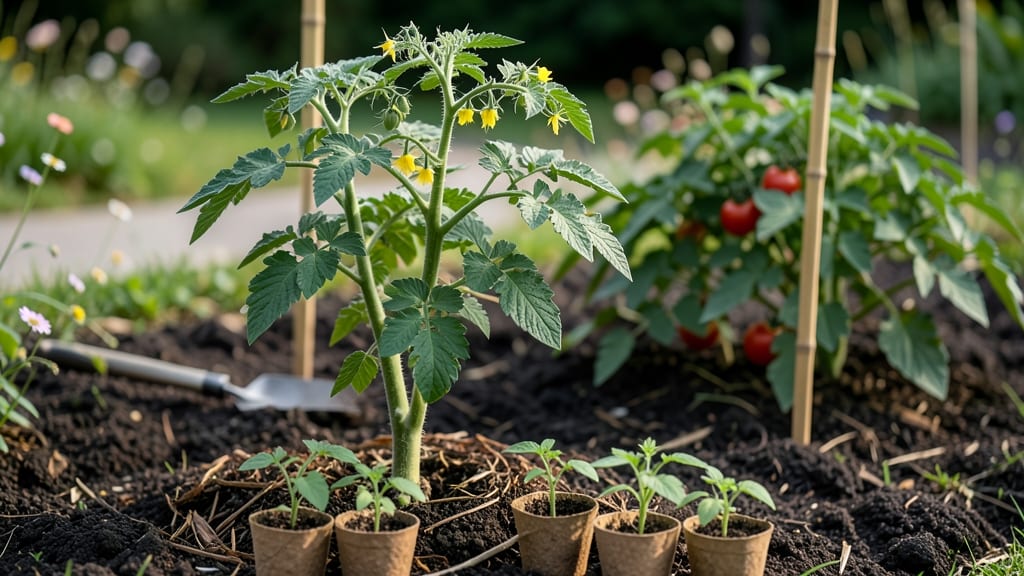
If you’re starting seeds indoors, use biodegradable pots to avoid transplant shock when moving to the garden. Harden off seedlings 7-10 days before outdoor planting by gradually increasing sun exposure—start with 2 hours/day and work up to full sun.
This mimics Missouri’s spring temperature swings and builds resilience.
For transplants, buy healthy 6-week-old seedlings from nurseries after your last frost date. Look for sturdy stems (not leggy) and dark green leaves. Avoid flowering seedlings—they’ll divert energy from root growth. In cooler zones, opt for determ
How to extend your tomato growing season in Missouri: cold frames, row covers, and late-planting hacks
Missouri’s short growing season can feel like a race against time—especially for heat-loving tomatoes. But with the right tricks, you can push your planting window 2–4 weeks earlier or even squeeze in a late-season harvest.
I’ve tested these methods in my own garden, and they’ve added 30+ days to my tomato season! The key is protecting young plants from late frosts and cool nights while giving them time to mature.
One of my favorite tools is floating row covers. These lightweight fabrics (made from spun-bonded polyester) create a 2–4°F warmer microclimate by trapping heat during the day and insulating at night. I’ve used them to plant tomato seedlings as early as mid-April in St. Louis (Zone 6a), even when nighttime temps dip into the 30s°F. Just
Cold frames are another game-changer, especially for gardeners in Northwest Missouri (Zone 5b). A simple cold frame—a clear plastic or glass box with an adjustable lid—can extend your season by 3–4 weeks in both directions. I built mine from corrugated plastic panels and a hinged lid, and it’s kept my cherry tomato plants thriving even when outdoor temps hover around 40°F. Pro tip: Vent the lid on warm days to prevent overheating, which can scorch young plants.
🌱 3 Season-Extending Hacks You Can Try Today
- Start with cold-hardy varieties: Choose ‘Mountain Merit’ or ‘Stupice’—they tolerate cooler temps better than standard varieties.
- Use black plastic mulch: Warms soil 5–10°F faster than bare ground, speeding up germination and growth.
- Plant in containers: Move pots to a sunny porch or garage with grow lights if frost threatens.
For those who want to plant tomatoes later in the season, focus on heat-tolerant varieties like ‘Celebrity’ or ‘Better Boy’. These varieties handle 90°F+ temps better than most and can still produce decent yields if planted by late June.
Pair them with drip irrigation (to avoid wetting leaves) and shade cloth during the hottest part of the day. I’ve had success with this method in Southeast Missouri (Zone 7a), where July plantings yielded tomatoes by early September.
Don’t overlook succession planting as part of your season extension strategy. Instead of planting all your tomatoes at once, stagger them every 2 weeks from mid-April to mid-June. This ensures a continuous harvest and reduces the risk of losing your entire crop to disease or pests.
For example, I planted my first batch on April 20 (under row covers) and my last batch on June 15—giving me tomatoes from July through October.
Finally, keep an eye on soil temperatures. Tomatoes won’t germinate well until the soil reaches 60°F. If your spring is slow to warm up, try heating your soil with a DIY solar heater (a clear plastic bottle filled with water, buried near seeds).
I’ve seen germination rates improve from 50% to 90% with this trick. Pair it with black plastic mulch, and you’ll be well on your way to a longer, more productive tomato season.
With these strategies, you can turn Missouri’s short growing season into a tomato lover’s paradise. Whether you’re adding weeks to the start or squeezing extra harvests at the end, the key is protection, patience, and the right varieties. Happy planting—your taste buds will thank you! 🍅