
Plants
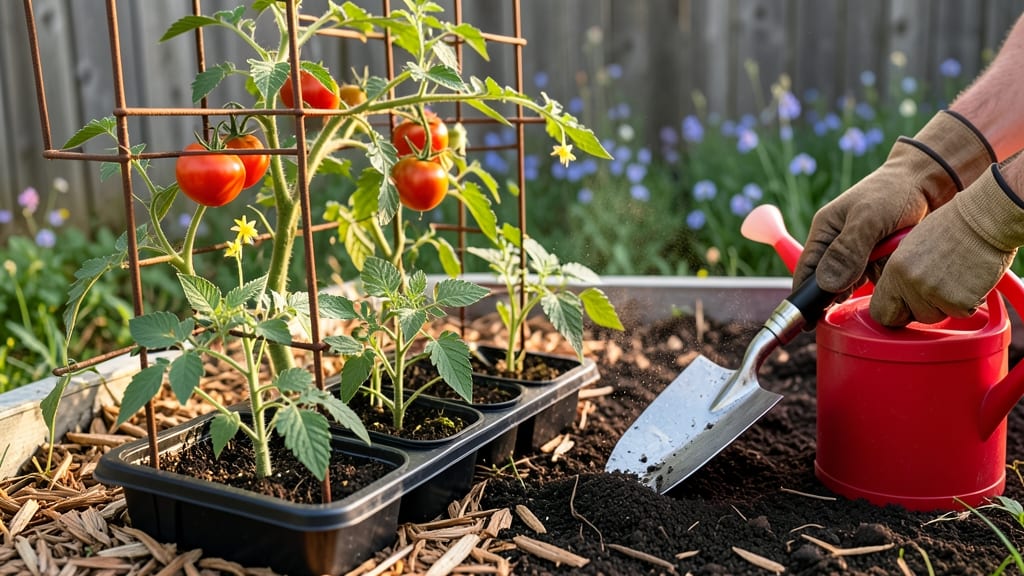
When is the best time to plant tomatoes in Texas? It isn’t just about grabbing seedlings from the store—it’s about outsmarting the heat and avoiding the dreaded bolting that turns your garden dreams into a sad, early-flowering bust. With three distinct climate zones across the state, the "best time" shifts dramatically from the cooler East to the scorching West, where a two-week difference can mean the difference between a bountiful harvest and a wilted disappointment.
You might think March is your golden month, but in North Texas, waiting until mid-April after the last frost (usually around March 15th) gives your seedlings the fighting chance they need against late freezes.
Meanwhile, South Texas gardeners can start as early as February, but they face a different battle: the relentless summer sun that forces tomatoes to bolt before they're ready to fruit.
Here's the game-changer: soil temperature matters more than your calendar. Tomatoes won't thrive until the ground reaches 60°F, and that timing varies by 100+ miles in Texas.
I'll break down the exact weeks to plant based on your region, plus pro tips to harden seedlings and keep them from running off into early flowers before they've had a chance to grow.
Whether you're a first-time gardener or a seasoned Texas green thumb, getting this right means the difference between juicy homegrown tomatoes and a sad, sun-scorched memory. Let's make sure your next season is the one where you finally crack the code.
Texas tomato planting deadlines by region: East vs. Central vs. West Texas
Texas spans 11 USDA hardiness zones, from the humid East to the arid West, making a one-size-fits-all planting schedule impossible.
In East Texas (Zones 7b-8a), like Tyler or Beaumont, you can plant tomatoes as early as mid-February for early varieties, while West Texas (Zones 8b-9a), including El Paso or Lubbock, waits until mid-March to early April to avoid extreme heat stress.
Central Texas (Zones 8a-8b) falls in between, typically starting late February to early March.
Your last frost date is your first deadline, but Texas' unpredictability means checking local weather patterns is critical. The Texas A&M AgriLife Extension provides county-specific frost data—always verify before planting.
For example, Dallas (Zone 8a) averages its last frost around March 15th, while Austin (Zone 8b) sees frost-free conditions by February 28th.
Soil temperature is your second checkpoint. Tomatoes thrive when soil reaches 60°F (15°C)—use a soil thermometer to confirm readiness. In East Texas, this often aligns with early April, but in West Texas, you may need to wait until late April due to rapid daytime heating.
Cold soil delays germination and weakens seedlings, making them vulnerable to damping-off disease.
Here’s how to align your planting with Texas’ microclimates and heat zones:
| Region | USDA Zones | Last Frost Date | Ideal Transplant Window | Soil Temp Goal | Heat Risk |
|---|---|---|---|---|---|
| East Texas | 7b-8a | Mid-February to early March | Late February to early April | 60°F (15°C) | Moderate (humidity stress) |
| Central Texas | 8a-8b | Late February to mid-March | Early March to late March | 60°F (15°C) | High (rapid heat spikes) |
| West Texas | 8b-9a | Mid-March to early April | Mid-April to early May | 65°F (18°C) | Extreme (drought + heat) |
*Adjust for high-elevation areas (e.g., Hill Country) by adding 2-3 weeks to transplant dates.
Transplanting too early risks frost damage, while waiting too long can lead to bolting—when plants flower prematurely due to heat stress. In Central and West Texas, aim to transplant 4-6 weeks before summer’s peak heat (typically by late May).
For East Texas, you can stretch planting into early June for a fall harvest, but prioritize shade cloth during afternoon heat.
Pro tip: Use black plastic mulch to warm soil faster in cooler regions like North Texas (Zones 7a-7b). Lay it down 2-3 weeks before planting to raise soil temperatures by 5-10°F.
This trick lets you transplant 2-3 weeks earlier without risking cold damage. Pair it with row covers for extra protection if nights dip below 50°F (10°C).
For container gardening, adjust timelines by 1-2 weeks later—pots cool faster and are more vulnerable to temperature swings. If you’re growing in raised beds, they warm up quicker than in-ground soil, so you can plant 1 week earlier than the table above suggests.
Always monitor leaf color: healthy tomato leaves should be deep green, not yellow or wilted.
Texas’ fall planting window is another game-changer. In East and Central Texas, you can direct-sow seeds in August for a fall harvest, but use heat-tolerant varieties like 'Heatmaster' or 'Solar Fire'
How to avoid bolting in Texas heat: soil prep and seedling hardening techniques
Texas' summer heat isn't just uncomfortable—it's deadly for tomato seedlings. When temperatures soar above 85°F, your carefully nurtured plants can bolt (prematurely flower and fruit) or simply wilt.
The key to success? Slow, strategic hardening before transplanting and root-zone cooling techniques that trick plants into focusing on growth, not reproduction.
I’ve learned the hard way that rushing seedlings outdoors without proper prep leads to stunted growth. Instead, use a 3-phase hardening schedule over 10-14 days to acclimate seedlings.
Start by moving them to a shady spot for a few hours daily, then gradually increase sun exposure while monitoring for heat stress signs like yellowing leaves or curled foliage.
Here’s my 3-step hardening