
Planting
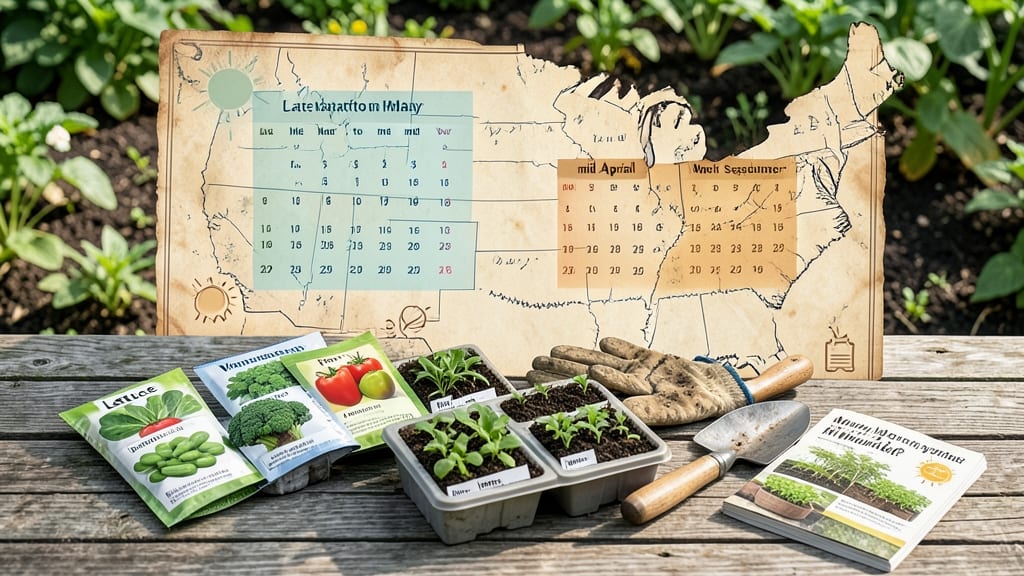
When should I plant my garden in Maryland? Timing your garden just right can mean the difference between a thriving harvest and a sad pile of frost-killed seedlings. With Zone 7b's unpredictable frost dates, knowing the exact window to plant your vegetables and flowers is the key to success—especially when you're working with Maryland's unique microclimates.
I've spent years gardening in Maryland and learned the hard way that planting too early or too late can ruin even the most promising crops. Whether you're growing tomatoes in Baltimore or herbs in Frederick, understanding when to start seeds indoors versus transplanting outdoors makes all the difference.
Let me show you the precise deadlines you need to follow.
From cool-season crops like spinach to warm-season favorites like peppers, each plant has its own ideal planting window. We'll cover how Maryland's coastal areas can plant earlier than inland spots, and which tricks will help you extend your growing season.
You'll discover how to use row covers, cold frames, and other simple strategies to push your planting dates safely.
By the end, you'll have a clear schedule tailored to Maryland's conditions, so you can confidently start planting and enjoy a bountiful garden all season long. Let's get your green thumb ready for the perfect planting timeline!
Maryland Zone 7b planting deadlines by season: avoid frost risk
Maryland’s Zone 7b climate means you’ve got a short but sweet window to plant before frost strikes—typically between April 15 and May 10 for most warm-season crops. But here’s the catch: coastal areas like Annapolis can plant 2 weeks earlier than inland spots like Frederick, where frost lingers longer.
Your first step? Mark your calendar for Maryland’s average last frost date, which hovers around April 15 in most of the state. However, Western Maryland (like Hagerstown) often sees frost 2 weeks later, while Eastern Shore regions can start planting as early as March 20 for heat-loving plants.
For cool-season crops like lettuce and peas, you can start indoors in February or direct-sow in early March. But warm-season crops—think tomatoes, peppers, and basil—need to wait until after your last frost and when soil temps hit 60°F+.
| Crop Type | Planting Window | Soil Temp Requirement | Maryland-Specific Tip |
|---|---|---|---|
| Cool-Season (Lettuce, Spinach, Peas) | March 1 - April 15 | 40-50°F | Use row covers for early starts |
| Warm-Season (Tomatoes, Peppers, Basil) | May 1 - June 1 (after last frost) | 60°F+ | Wait for soil to warm; test with thermometer |
| Fall Crops (Kale, Carrots, Radishes) | August 1 - September 15 | 50-60°F | Plant 8-10 weeks before first frost |
| Perennials (Herbs, Lavender, Asparagus) | April 1 - May 10 | 50°F+ | Early spring planting for root establishment |
If you’re planting seeds vs. transplants, timing shifts dramatically. Seeds need 2-3 weeks to germinate, so start them indoors 6-8 weeks before your last frost. Transplants, however, can go straight into the ground 2 weeks after your last frost date—just be sure to harden them off first.
For container gardening, you’ve got more flexibility. Containers warm up faster, so you can plant warm-season crops 1-2 weeks earlier than in-ground gardens. Just ensure your pots have drainage holes and use heat-retentive materials like fabric grow bags.
Pro tip: Check Maryland’s Cooperative Extension frost maps annually—they update based on microclimate shifts. For example, Baltimore’s urban heat island can delay frost by 5-7 days compared to rural areas.
Don’t forget about fall planting! Maryland’s first frost typically hits October 31, so aim to plant cool-season crops by September 15 for a harvest before winter sets in. Radishes and spinach are your fastest bets for late-season success.
Finally, if you’re unsure about your exact frost date, use a frost clock or local weather station. Apps like Old Farmer’s Almanac or Weather Underground provide hyper-localized forecasts that can save your garden from a late-season freeze.
With these deadlines locked in, you’re ready to plant with confidence—no more guessing games or wilted seedlings! 🌱
How Maryland’s microclimates change your planting schedule
Maryland’s Zone 7b label hides a secret: the state’s frost dates vary by 2-3 weeks depending on where you live. Coastal areas like Annapolis and Chesapeake Bay often see their last frost by March 20th, while inland spots like Frederick or Hagerstown can wait until April 5th.
These differences mean your neighbor’s planting timeline might not work for you.
Even within cities, urban heat islands create microclimates. A Baltimore rooftop garden might warm up faster than a Western Maryland valley, letting you plant tomatoes 7 days earlier. Meanwhile, higher elevations near Catoctin Mountain can delay frost until May 1st, pushing back your spring planting window.
🌱
To pinpoint your exact dates, check the Maryland Cooperative Extension’s frost map or use a local weather station for 3 years of data. My go-to trick? Plant radishes as an early indicator—they’ll bolt if frost is coming. If they thrive, your tomatoes and peppers are safe to follow.
For container gardening, these microclimates matter even more. A patio in Baltimore might hit 70°F soil by April 10th, while a ground plot in Garrett County won’t warm until May 1st. Always check soil temperature with a thermometer—warm-season plants need 60°F+ to thrive.
Pro tip: If you’re near water, like the Chesapeake or Potomac River, your frost dates shift 1-2 weeks earlier thanks to moderating breezes. Use this to your advantage by starting early-season crops like lettuce or kale in late February.
🌿