
Companion Plants
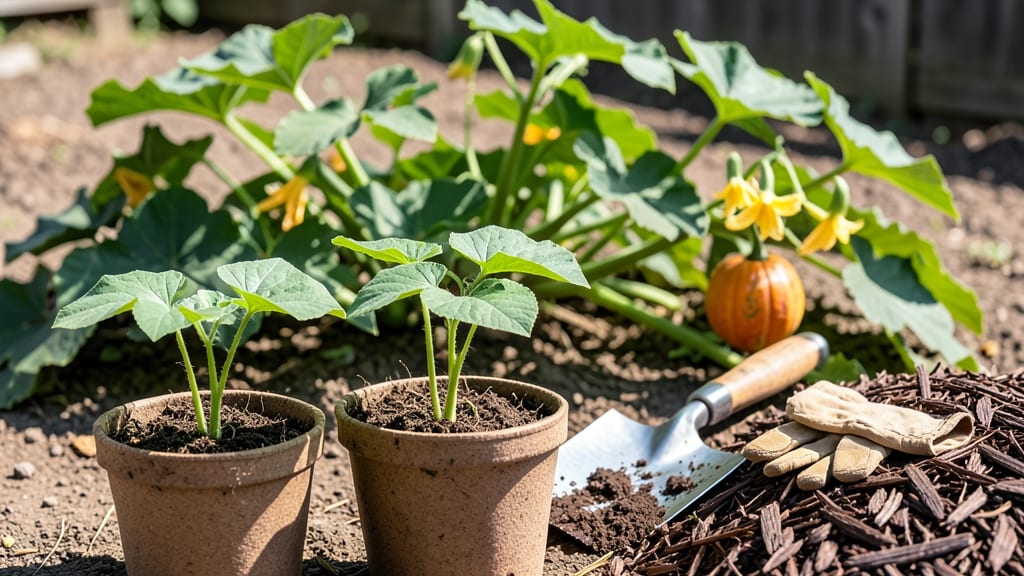
Timing your 🎃 pumpkin planting in Ohio isn’t just about following a calendar—it’s about catching that narrow frost-free window between mid-April and early June that separates a thriving harvest from a wasted season.
One wrong move, and Ohio’s unpredictable spring weather can leave your vines struggling or your fruit underdeveloped before the first frost hits in October.
Most Ohio gardeners in zones 6a-6b swear by direct sowing seeds once soil warms to 60°F, but the real secret lies in knowing your county’s last frost date—because planting too early means risking frost damage, while waiting too long cuts your growing season short.
Whether you’re in Columbus, Cleveland, or rural Appalachia, the right timing ensures your pumpkins have 90-120 days to mature before the first chill arrives.
You don’t need to guess—this guide breaks down the exact planting windows for Ohio’s microclimates, from urban backyards to rural fields, so you can choose between fast-maturing varieties like ‘Jack Be Little’ or classic giants like ‘Howden’ with confidence.
Let’s dive into the frost-free timeline that’ll give you the biggest, healthiest pumpkins your Ohio garden can grow.
From adjusting for early starts to avoiding common pitfalls, you’ll learn how to turn Ohio’s 165-day growing season into your pumpkin patch’s superpower. Ready to plant with precision? Let’s get started.
Ohio pumpkin planting timeline: frost-free dates by county for maximum yield
Ohio’s 165-day frost-free growing season gives pumpkins just enough time to mature—if you plant at the right moment. Mid-April to early June is your sweet spot, but exact timing depends on your county’s last spring frost and first fall frost.
In northern Ohio (e.g., Ashtabula County), wait until May 15 to avoid late frosts, while southern Ohio (e.g., Lawrence County) can start as early as April 15.
Pumpkins need 90–120 days to harvest, so planting too late risks immature fruit before October’s first frost. Use USDA Zone 6a/6b as a guide, but always check your local Almanac frost dates—they’re more reliable than general rules.
For example, Columbus gardeners should aim for April 25–May 10, while Cleveland’s window shifts to May 1–May 15.
| County Region | Last Spring Frost | Ideal Planting Window | First Fall Frost | Best Varieties |
|---|---|---|---|---|
| Northern (Ashtabula, Geauga) | May 10–15 | May 15–June 1 | October 5–10 | ‘Jack Be Little’, ‘Small Sugar’ |
| Northeast (Cuyahoga, Lorain) | April 25–May 5 | May 1–May 15 | October 10–15 | ‘Howden’, ‘Minnesota Golden’ |
| Central (Franklin, Delaware) | April 15–20 | April 25–May 10 | October 15–20 | ‘Cinderella’, ‘Autumn Gold’ |
| Southern (Lawrence, Scioto) | April 1–10 | April 15–April 30 | October 20–25 | ‘Gladiator’, ‘Big Max’ |
| Southwest (Hamilton, Butler) | April 5–10 | April 15–May 1 | October 20–25 | ‘Jarrahdale’, ‘Kabocha’ |
For direct sowing (planting seeds outdoors), wait until soil reaches 60°F—use a soil thermometer to check. In cooler regions, start seeds indoors 2–3 weeks before your last frost date, then transplant seedlings after May 15.
Pro tip: Use black plastic mulch to warm soil faster in Zone 6a areas.
Ohio’s microclimates matter! Urban areas like Columbus may have 2–3°F warmer microclimates than rural zones, letting you plant 1 week earlier. Monitor local weather apps (like Weather Underground) for real-time frost alerts—they’re your early-warning system.
If you’re growing heirloom varieties (e.g., ‘Long Island Cheese’), plant by May 1—they need 110+ days to mature. For fast-maturing varieties (e.g., ‘Sugar Pie’), you can stretch planting to June 1 in southern Ohio. Always space hills 4–6 feet apart to prevent disease spread.
Extend your season with row covers or cold frames if planting late. These can add 2–3 weeks of protection before October’s first frost. Just remove covers when flowers appear to allow pollination. For pollination success, plant borage or nasturtiums nearby—they attract bees!
Track your harvest readiness by counting 90 days from planting. In northern Ohio, this lands in late July to early August, while southern Ohio can harvest until mid-October. Use a harvest calendar to mark key dates—it’s your best tool for avoiding frost-damaged pumpkins.
Remember: Soil temperature > air temperature. Even if May 1 feels warm, check soil—it might still be 50°F. Cold soil = slow germination. For fastest growth, aim for 60–70°F soil and 70–80°F air. Use a seed heating mat if needed.
Ohio’s pumpkin patch potential is huge—just
How to adjust pumpkin planting for Ohio’s microclimates: urban vs. rural growing tips
Ohio’s diverse landscapes—from the urban heat islands of Columbus to the cooler Appalachian foothills—create microclimates that demand different pumpkin planting strategies. In cities, pavement and buildings trap heat, pushing last frost dates 1-2 weeks later than rural areas.
Meanwhile, rural gardens often face earlier frosts and cooler soils, requiring faster-maturing varieties or protective measures.
For urban gardeners, start seeds indoors by late March and transplant after April 15, using black plastic mulch to warm soil faster. In rural areas, wait until mid-May for direct sowing and choose 75-day varieties like ‘Autumn Gold’ to beat fall frosts.
Both settings need well-draining soil—urban areas may need compost to offset compacted earth.
🌱 Urban vs. Rural Pumpkin Growing
- 📅 Start indoors: Late March
- 🌡️ Soil temp: 60°F+ by April 15
- 🌿 Varieties: ‘Jack Be Little’ (80 days)
- 🔥 Heat tip: Black plastic mulch
- 📅 Direct sow: Mid-May
- 🌡️ Soil temp: 65°F+ by May 15
- 🌿 Varieties: ‘Autumn Gold’ (75 days)
- ❄️ Frost tip: Row covers for early starts
Companion planting also varies by location. Urban gardens benefit from bush beans near pumpkins to fix nitrogen in poor soil, while rural areas can use marigolds to deter squash bugs. Both settings should avoid planting near potatoes, which compete for nutrients.
In cities, trellis small varieties like ‘Wee-B-Little’ to save space, while rural gardeners can let vines sprawl across 30-foot rows.
Frost protection is key for rural areas where nights dip below 50°F. Use row covers for young plants or plant near south-facing fences to absorb heat. Urban gardeners can extend seasons with cold frames or raised beds filled with heat-retaining gravel.
Monitor local weather—Ohio’s flash frosts can strike anytime after September 15, so have harvest plans ready.
Soil prep differs too: Urban gardens often need amended soil mixes due to compaction, while rural areas may battle clay-heavy soils requiring gypsum. Test pH—pumpkins thrive at 6.0-6.8.
In both cases, mulch heavily with straw to retain moisture and suppress weeds. The goal? A consistent 60-70°F soil temp for optimal growth.
Adjust your approach based on your Ohio location. Urban gardeners can push limits with heat-loving varieties, while rural growers prioritize early starts and frost defenses. With these tweaks, your pumpkins will mature before Ohio’s mid-October frosts—no matter where you garden. 🌿