
Flowers
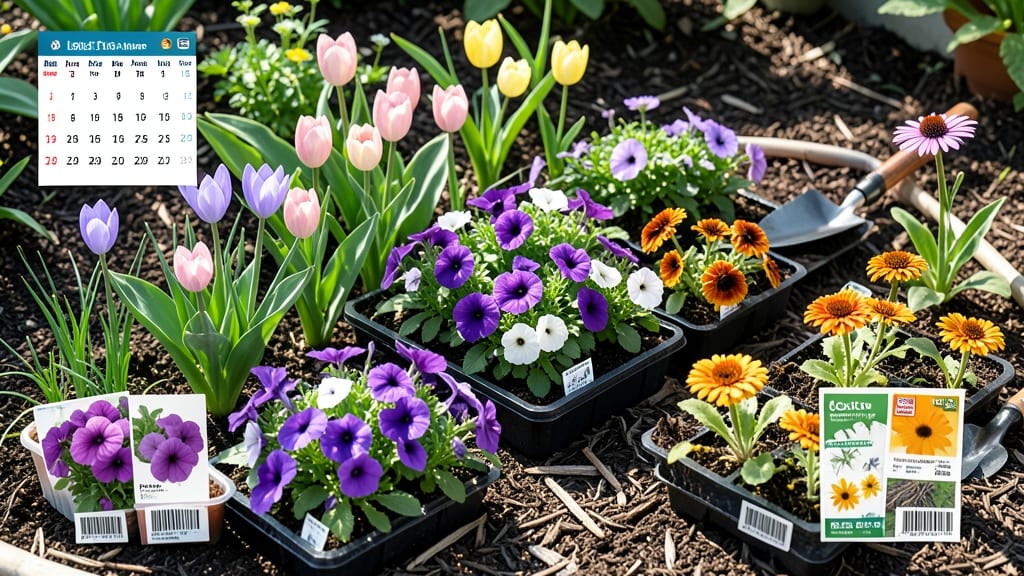
Timing your flowers planting in Ohio can mean the difference between a showstopping garden and a sad, frost-bitten disappointment. With USDA Zone 6a's unpredictable last frost dates, knowing exactly when to plant your 🌸 is the key to vibrant blooms all season long.
Most Ohio gardeners wait until after the average last frost date—around April 15—but that’s just the starting point. Whether you’re growing hardy perennials or delicate annuals, understanding your microclimate and soil temperature is what separates a mediocre garden from a stunning one.
In this guide, I’ll break down the perfect planting windows for Ohio’s most popular flowers, from early spring bulbs to late-season favorites. You’ll learn how to extend your blooms into fall, protect tender plants from early frosts, and even adjust for urban vs. rural growing conditions.
Ready to transform your garden into a year-round paradise? Let’s dive into the exact timing and strategies you need to make every season your most beautiful yet.
Ohio planting zones: frost dates and safe last-frost timelines by region
Ohio spans USDA Zones 5b to 7a, but even within these zones, frost dates can vary by 10-14 days depending on elevation and microclimates. For example, Toledo (Zone 6a) typically sees its last frost around April 15, while Cincinnati (Zone 6b) might wait until April 22.
These differences matter when choosing your planting window.
To avoid frost damage, I recommend waiting until after the average last frost date in your area, but also monitoring soil temperatures. Most flower seeds need soil that’s at least 60°F (15°C) to germinate properly. Cold soil can delay germination or even kill tender seedlings.
Here’s how to use this data: Check your local almanac or weather station for the last 5 years of frost dates in your area. If you’re in a Zone 6a region like Columbus, aim for April 20 as your cutoff.
For Zone 5b areas like Youngstown, push planting to May 1 to be safe.
Pro tip: Use row covers or cold frames to extend your planting window by 2-3 weeks in early spring. These protect young plants from late frosts while still allowing sunlight to reach them.
For bulbs like tulips and daffodils, you can plant them as early as October—they need cold stratification to bloom in spring. But for annuals like petunias and marigolds, wait until after the last frost to avoid stunted growth.
Urban gardeners often face warmer microclimates due to pavement and buildings. If you’re in a city like Cleveland, you might see last frosts 3-5 days earlier than rural areas. Use this to your advantage by planting heat-loving flowers like lantana or zinnias a bit earlier.
🌱 Ohio Frost Dates & Planting Windows by Zone
| Zone | Avg Last Frost | Safe Planting Window | Best Flowers for Early Planting |
|---|---|---|---|
| 5b (Youngstown) | May 1 | May 10–June 1 | Pansies, Snapdragons, Calendula |
| 6a (Columbus) | April 20 | April 25–May 15 | Tulips, Daffodils, Petunias |
| 6b (Cincinnati) | April 22 | April 27–May 10 | Marigolds, Zinnias, Cosmos |
| 7a (Toledo) | April 15 | April 20–May 5 | Geraniums, Begonias, Impatiens |
💡 Note: Adjust for your local microclimate—urban areas may be 3-5 days earlier!
If you’re planting perennials like coneflowers or black-eyed Susans, you can start them indoors 6-8 weeks before the last frost. This gives them a head start and ensures they’re established before the heat of summer arrives.
For fall planting, aim to get seeds in the ground 6-8 weeks before the first frost. In Ohio, this typically means late August to early September. Chrysanthemums and asters are great choices for fall color and can handle cooler temperatures.
Always keep an eye on your local weather forecasts in the days leading up to your planting window. A late frost can still sneak in, especially in Zone 5b areas. If frost is predicted, cover your plants with lightweight row fabric or even old blankets.
By following these zone-specific timelines, you’ll give your flowers the best chance to thrive and bloom beautifully all season long. Next, we’ll dive into the month-by-month planting schedule to keep your garden vibrant from spring to fall.
Best flowers to plant by month in Ohio: a seasonal guide with frost-proof tips
Ohio’s growing season is short but sweet, so timing your flower planting by month is essential. Start with cool-season bloomers like tulips and daffodils in March—these hardy bulbs can handle Ohio’s late frosts and reward you with early color.
For annuals like petunias and marigolds, wait until after the average last frost date (April 15) to avoid frost damage.
If you’re eager to get a jumpstart, indoor seed starting in late February works for tender perennials like geraniums and snapdragons. Transplant them outdoors after the frost risk passes.
For container gardening, you can push the timeline slightly later, as pots warm up faster and allow for easier frost protection with row covers.
🌸
Plant bulbs (tulips, daffodils) and cool-season annuals (pansies, violas). Soil temps should be 40-50°F.
Focus on hardy perennials (coneflowers, black-eyed Susans) and warm-season annuals (marigolds, zinnias) after last frost.
Add heat-loving flowers (petunias, geraniums) and vegetable companion flowers (nasturtiums) for pollinators.
Extend blooms with fall-planted bulbs (crocuses, hyacinths) and late-season annuals (mums, asters).
Plant pansies and snapdragons for fall/winter color—they thrive in cool weather.
For urban gardeners, microclimates near buildings or pavement can delay frost, so monitor local forecasts. Use frost cloth or row covers to protect tender seedlings if overnight temps dip below 32°F.
In rural areas, frost risks are higher, so err on the side of caution with late-May plantings.
Pro tip: Succession plant every 2-3 weeks for continuous blooms. For example, sow cosmos in early May, then again in late June to enjoy flowers until frost. This keeps your garden vibrant from early summer to fall.
🌿