
Planting
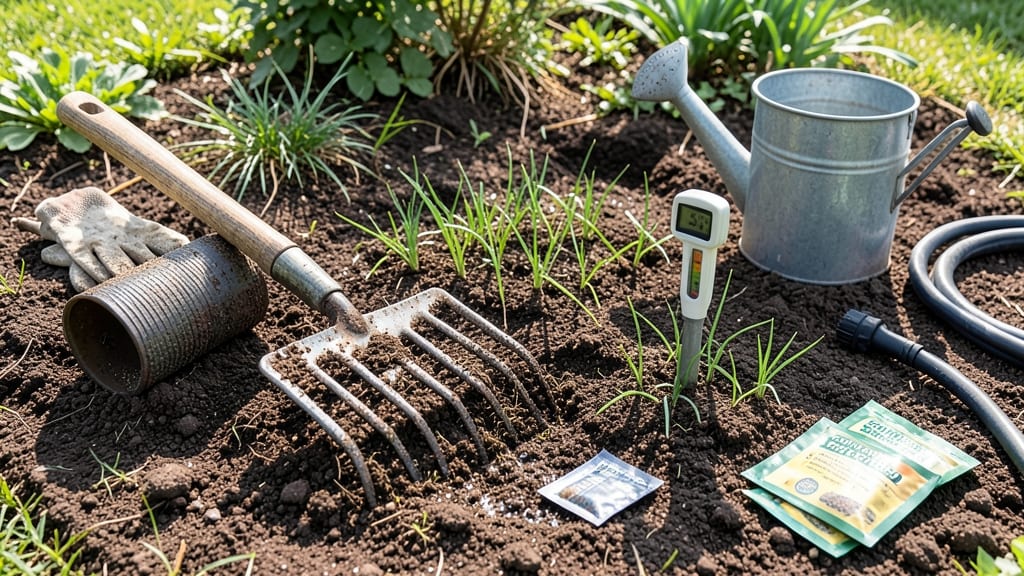
Planting your spring grass at the wrong time can turn your green dreams into a frustrating wait—or worse, a failed lawn. The key to fast germination isn’t just following a calendar date; it’s understanding when your soil is truly ready to support new growth.
In Zone 6a, where many gardeners live, early spring (like March or April) is ideal—but only if the ground has warmed enough. Cool-season grasses like Kentucky bluegrass thrive when soil temps hit 50°F–65°F, while warm-season types need 65°F+.
Getting this wrong means seeds either rot in cold soil or bake in heat.
I’ve learned the hard way that rushing the process leads to patchy coverage or wasted seed. The good news? With the right timing and a few simple checks, you can skip the guesswork and set your lawn up for success in just 2–4 weeks.
Let’s break down exactly how to read your soil’s signals—so you can plant with confidence and watch your 🌱 grass take off faster than ever.
Ideal soil temperature ranges for spring grass planting by region
Planting grass at the right time in spring isn't about following a calendar—it's about soil temperature. Cool-season grasses like Kentucky bluegrass and tall fescue thrive when soil hits 50°F–65°F, while warm-season types such as Bermuda or Zoysia need 65°F–75°F.
Your USDA zone and local frost dates determine the perfect window, which can vary by 4–6 weeks between northern and southern regions.
In the Northern U.S. (Zones 3–6), aim to plant 4–6 weeks before your last frost date. For example, if your last frost is April 15, seed in early March when soil temps stabilize.
Southern regions (Zones 7–10) can plant earlier (February–March) or even late summer for warm-season grasses, but avoid extreme heat.
Here’s why soil temperature matters more than air temp: Seeds need consistent warmth to germinate. If your soil is below 50°F, seeds may rot or fail to sprout. Use a soil thermometer (just $10 at garden centers) to check—morning readings are most accurate.
Pro tip: Black plastic mulch can warm soil by 5–10°F if you need to jumpstart germination.
| Region | Grass Type | Ideal Soil Temp (°F) | Planting Window | USDA Zones |
|---|---|---|---|---|
| Northern U.S. | Cool-season (Kentucky bluegrass, fescue) | 50°F–65°F | 4–6 weeks before last frost (March–early April) | 3–6 |
| Southern U.S. | Cool-season (ryegrass, Bermuda) | 55°F–70°F | February–March or late summer (Aug–Sept) | 7–10 |
| Transition Zones (e.g., Kansas, Missouri) | Tall fescue (adaptable) | 55°F–65°F | Early spring (March) or fall (Sept–Oct) | 6–8 |
| Mountainous Areas | Fine fescue (shade-tolerant) | 45°F–60°F | Late April–May (after snowmelt) | 4–5 |
🌱 Pro Tip: Use a soil thermometer for 3–5 days to confirm temps before planting.
If you’re in a transition zone (Zones 6–8), like parts of Oklahoma or Virginia, you’ll need to plant twice: once in early spring for cool-season grasses and again in late summer for warm-season types. For example, tall fescue thrives in spring, while Zoysia waits for summer’s heat.
Watch for false springs, where warm air temps trick you into planting too early. A late frost can kill young seedlings. Check your local National Weather Service for 30-day forecasts—if nights dip below 32°F, delay planting until soil warms consistently.
In Zone 5, this might mean waiting until mid-April instead of March.
Regional microclimates also play a role. Urban areas with pavement retain heat longer, while wooded lots stay cooler. If your yard is shaded, opt for fine fescue, which germinates at 45°F. For sunny spots, Kentucky bluegrass or perennial ryegrass are faster to establish once soil hits 55°F.
Don’t forget to prepare your soil 2–4 weeks before planting. Loosen the top 4–6 inches, remove debris, and level the area. A soil test (available at Cooperative Extension offices) ensures your pH is 6.0–7.5, the sweet spot for most grasses.
Amend with compost or peat moss if needed—this step alone can double germination rates.
Timing isn’t just about the calendar; it’s about balancing soil warmth, moisture, and frost risk. Use these guidelines as a starting point, but always adjust for your local conditions.
With the right soil temp, your grass will sprout in 7–14 days instead of 3–4 weeks—making the difference between a lush lawn and a bare patch.
How to test your soil temperature before planting grass
Testing your soil temperature before planting grass is the #1 way to avoid wasted seed and slow germination. Many gardeners guess based on air temperature, but soil can stay 10–15°F cooler—especially in shaded or damp areas.
A soil thermometer (available for under $15) gives you precise data to time your planting perfectly.
Start checking your soil 2–3 weeks before your target planting date. For cool-season grasses like Kentucky bluegrass, aim for 50°F–65°F; warm-season types need 65°F+.
Insert the thermometer 2–3 inches deep (where most seeds will germinate) and leave it for 10–15 minutes for an accurate reading. Morning readings (7–9 AM) are most reliable because soil cools overnight.
⚠️ Warning: Afternoon soil temps can be 5–10°F warmer due to sunlight. If you check in the afternoon, subtract 5°F to estimate morning conditions—this prevents overestimating warmth and planting too early.
If your soil is below 50°F, wait at least 1–2 weeks for it to warm naturally. In cooler climates (like Zone 4–5), this might mean delaying until mid-April instead of March.
For faster warming, use black plastic mulch or a clear plastic tunnel over the area for 3–5 days before planting—this can raise soil temps by 5–10°F.
Inconsistent soil temps? Check multiple spots in your yard—south-facing slopes warm faster than north-facing areas. If readings vary by more than 5°F, focus on planting in the warmest sections first.
For large lawns, prioritize shady patches (like under trees) with fine fescue, which germinates at 45°F, while sunny areas can handle Kentucky bluegrass once soil hits 55°F.
Don’t forget to calibrate your thermometer by comparing it to a trusted source (like your local Cooperative Extension office) once. Over time, cheap thermometers can drift 2–3°F off. If your readings seem unusually high or low, recalibrate or invest in a digital probe thermometer for accuracy.
Once your soil hits the ideal range, plant within 24–48 hours to capitalize on the warm conditions. Seeds germinate fastest when soil stays consistently warm—so avoid planting if a cold snap is forecast.
With the right timing, your grass should sprout in 7–14 days instead of dragging out for 3–4 weeks.
Pro tip: Keep a planting journal to track soil temps and germination success. Note the date, soil temp, and grass type—this helps you refine your timing for next year.
For example, if tall fescue sprouted in 10 days at 58°F but took 21 days at 52°F, you’ll know to wait for warmer soil next time.