
Plants
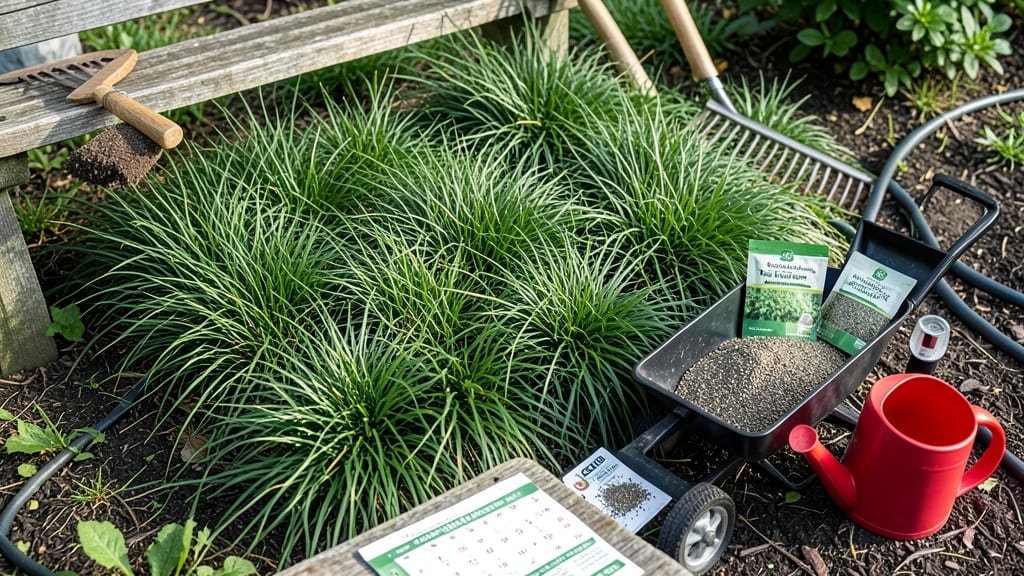
Timing your grass seed planting in Ohio isn't just about the calendar—it's about beating the weather to give your lawn the best possible start.
Whether you're in Northern Ohio's cooler 6a zone or Southern Ohio's slightly milder climate, planting too early or too late can mean thin patches, weed takeover, or wasted seed.
The key lies in understanding when soil temperatures and frost patterns align for optimal germination—and that window is narrower than you might think.
Most Ohio gardeners swear by early fall as the golden period for grass seed, when cooler air and warming soil create perfect conditions. But spring planting still works if you act fast—before the last frost date of April 15—and avoid the muddy, unpredictable weeks that follow.
The challenge? Ohio's microclimates vary dramatically, with urban areas often staying warmer longer than rural spots. That means your neighbor's "perfect" planting time might not match yours.
Let's cut through the guesswork with data-backed planting windows tailored to Ohio's two distinct seasons. You'll discover why September and early October often outperform spring, how to adjust for late frosts or droughts, and which grass varieties thrive in each scenario.
Plus, I'll share the one critical soil check that tells you exactly when it's safe to plant—no more second-guessing.
Ready to transform your lawn from patchy to picture-perfect? The right timing isn't just about when you plant—it's about how you prepare. Let's get your Ohio grass off to the strongest possible start, once and for all.
Ohio’s best grass seed planting months by microclimate (spring vs fall)
Ohio’s diverse climate—from cool northern zones to warmer southern regions—means planting grass seed isn’t one-size-fits-all. The best time to plant depends on your microclimate, with fall often outperforming spring for germination success.
Let’s break down the ideal windows for Northern Ohio (USDA Zone 5-6) and Southern Ohio (Zone 6-7), plus how urban vs. rural areas differ.
In Northern Ohio, where winters are colder, aim for late August to early October for fall planting. This gives seeds time to establish roots before the ground freezes. For spring, plant mid-April to early May, once soil temperatures consistently reach 55°F—but watch for late frosts!
Southern Ohio’s milder winters shift the window slightly: September to mid-October in fall and early April to late May in spring.
Urban areas often experience heat islands, drying out soil faster. Rural spots with more organic matter retain moisture longer, extending planting windows by 1-2 weeks. Always check your local frost-free date (typically April 15 in most of Ohio) and adjust accordingly.
🌱
Fall planting is often superior because cooler temperatures reduce weed competition and established roots handle winter better. However, if you miss fall, spring is your second chance—but rush it, and you’ll face weed invasions and thin germination.
For Northern Ohio, prioritize fall; in Southern Ohio, both seasons work if timed correctly.
Pro tip: Use a soil thermometer to confirm readiness. For spring, wait until soil is consistently 55°F+ for 5+ days. In fall, aim for 60-70°F soil temps before seeding. This ensures seeds germinate quickly before harsh weather arrives.
If you’re in a transition zone (like Columbus or Dayton), blend these guidelines. For example, plant Kentucky Bluegrass in early fall and Tall Fescue in late spring—each variety has its own ideal window. Always test your soil’s pH (6.0-7.0) and adjust with lime or sulfur before seeding.
🌿
One common mistake? Planting too early in spring when soil is still cold or too late in fall when frost is imminent. Both scenarios lead to poor germination rates and wasted seed.
Instead, mark your calendar for 6 weeks before the last frost in spring or 6 weeks before the first frost in fall. This gives seeds time to establish a 3-inch root system before extreme weather hits.
For urban lawns, consider a two-step approach: overseed in fall with Fine Fescue (shade-tolerant) and plant Tall Fescue in spring for sun-exposed areas. This microclimate strategy ensures year-round coverage and minimizes bare spots.
Finally, don’t forget to water deeply after planting—aim for 1 inch of water daily for the first 2 weeks. Use a rain gauge to track moisture, especially in drought-prone Southern Ohio where summer heat can dry out new seedlings quickly.
☀️
Ohio’s best grass seed planting months by microclimate (spring vs fall)
Ohio’s two distinct planting seasons—spring and fall—offer very different advantages for grass seed germination. Fall planting, specifically September through mid-October, is often the gold standard for Ohio lawns because cooler temperatures reduce weed competition and allow roots to establish before winter.
But spring planting (March through early April) still works if you act quickly before the April 15 average last frost date.
Northern Ohio’s 6a climate zone favors early fall planting more than southern Ohio, where slightly warmer microclimates extend the spring window. Urban areas like Columbus or Cincinnati may stay frost-free longer than rural spots, so always check your local frost-free date—not the statewide average.
For example, Toledo’s last frost often arrives 1-2 weeks earlier than Cleveland’s.
Here’s how Ohio’s microclimates break down for optimal planting:
| Region | Spring Planting Window | Fall Planting Window | Key Consideration |
|---|---|---|---|
| Northern Ohio (Cleveland, Toledo) | Mid-March to early April | Mid-September to mid-October | Cooler soils delay spring germination |
| Southern Ohio (Columbus, Cincinnati) | Late February to early April | Late August to early October | Warmer microclimates extend spring window |
| Urban Areas (Cities) | Late March to early April | Late September to early October | Heat islands delay frost—verify local data |
| Rural Areas | Early March to mid-April | Mid-September to late October | Soil warms faster in open fields |
Fall planting wins for 90% of Ohio lawns because seeds germinate in 60-70°F soil, which happens naturally in September. Spring planting, however, requires soil temperatures above 50°F—a threshold often delayed by late frosts.
If you choose spring, test soil temps with a soil thermometer (bury it 2 inches deep) before planting.
Pro tip: September 15 is the sweet spot for fall planting across Ohio. By this date, daytime highs average 75°F, while nights stay cool enough to prevent drought stress.
For spring, aim to finish seeding 4 weeks before last frost—so if frost hits April 15, plant by March 15.
Remember, weed competition is your biggest enemy. Fall-planted grass establishes roots before weeds wake up in spring, giving you a head start on a thick, lush lawn. But if you miss fall, don’t panic—spring planting still works if you prep soil early and stay vigilant about watering.