
Plants
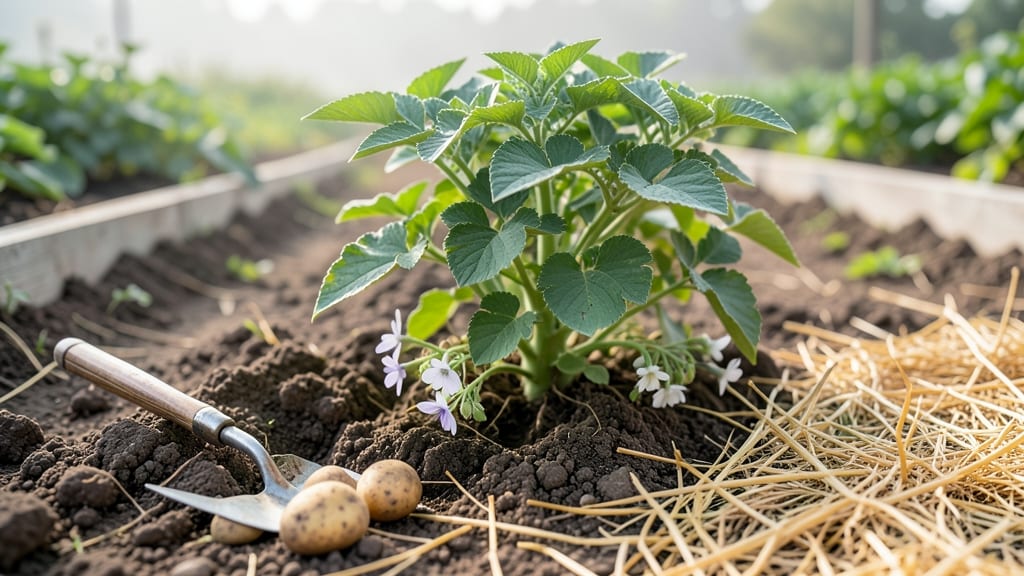
Timing when should you plant potatoes in Ohio isn’t just about the calendar—it’s about beating frost, avoiding soggy soil, and maximizing those 165 frost-free days between April and October. Plant too early, and you’ll risk losing your crop to late frosts; too late, and your harvest shrinks before summer’s end.
The key is knowing your microclimate—whether you’re in chilly Lake Erie’s shadow or the warmer valleys of southern Ohio.
For most of USDA Zone 6a, the sweet spot is 2–4 weeks before your last frost date, typically between mid-March and early April.
But here’s the catch: soil temperature matters just as much as air temperature—wait until the ground reaches 45°F to ensure your seed potatoes sprout without rotting. Skipping this step could mean wasted effort and empty rows.
I’ll break down exactly how to adjust your planting schedule based on Ohio’s five distinct growing zones, from Cleveland’s cooler springs to Cincinnati’s longer seasons.
You’ll also discover which potato varieties thrive in Ohio’s humidity and how to protect your crop if Mother Nature throws a curveball with late frosts or unexpected rain.
Ready to turn your backyard into a potato powerhouse? Let’s dig into the game-changer strategies that’ll have you harvesting golden Yukon Golds and crisp Russets by midsummer—without the guesswork.
Ohio’s last frost dates by microclimate: the best weeks to plant potatoes
Ohio’s USDA Zones 4a–6a create a 3-week difference in last frost dates across the state. For example, Toledo’s Zone 5b typically sees its last frost by April 10, while Youngstown’s Zone 6a can plant until April 25. Timing matters because potatoes need 90–120 frost-free days to mature.
Early varieties like ‘Yukon Gold’ (60–90 days) thrive in Zone 4a, while late varieties like ‘Russet Burbank’ (110–120 days) need Zone 6a. Planting too early risks rot from cold, wet soil, while planting too late cuts harvest potential.
Use the table below to find your local planting window based on Ohio’s five key microclimates. Adjust for 3–4 weeks before last frost—this ensures tubers sprout before soil warms to 45°F (7°C), the ideal germination temp.
| Microclimate | Last Frost Date | Planting Window | Best Varieties |
|---|---|---|---|
| Lake Erie Shores (Zone 4a–5a) | April 5–15 | March 15–April 1 | ‘Red Pontiac’, ‘Kennebec’ |
| Northeast (Zone 5b–6a) | April 10–20 | March 20–April 5 | ‘Yukon Gold’, ‘Adirondack Red’ |
| Central (Zone 5b–6a) | April 15–25 | March 25–April 10 | ‘Kennebec’, ‘Russet Burbank’ |
| Southeast (Zone 6a) | April 20–May 1 | April 5–15 | ‘Sweetheart’, ‘LaSoda’ |
| Southwest (Zone 6a–7a) | April 25–May 5 | April 10–20 | ‘Russet Burbank’, ‘Minnesota Gold’ |
For Zone 4a areas (e.g., Cleveland’s eastern suburbs), start seed potatoes indoors in late February using grow lights or a sunny windowsill. Transplant outdoors when soil reaches 45°F (7°C)—typically mid-March.
In Zone 6a (e.g., Columbus), you can plant directly outdoors as early as March 25, but cover rows with frost cloth if nights dip below 32°F (0°C). This extends the window for late varieties like ‘Russet Burbank’.
Pro tip: Use a soil thermometer to confirm 45°F (7°C) soil temps before planting. Cold soil delays germination by 2–3 weeks, wasting your early-season window.
If your area experiences late frosts (common in Ohio’s valleys), opt for early-maturing varieties like ‘Early Girl’ (60 days) or ‘Norland’ (70 days). These tolerate cooler soils better than late-season types.
For container growing, plant 2–3 weeks earlier than in-ground—pots warm faster in spring sun. Use 5-gallon buckets with drainage holes and fill with light, sandy loam mixed with compost.
Remember: Ohio’s humid summers mean potatoes need well-draining soil. Amend heavy clay with compost or peat moss to prevent waterlogged tubers, which rot quickly.
🌱
How to adjust planting time for Ohio’s unpredictable spring weather
Ohio’s spring weather is famously unpredictable, with late frosts creeping in as late as mid-April in northern zones or sudden soil temperature swings that can stall germination.
If you’ve ever planted seed potatoes only to see them rot in cold, damp soil or get fried by an unexpected frost, you know how critical timing is.
The key is flexibility—knowing when to plant, when to protect your crop, and when to pivot if Mother Nature throws you a curveball.
Most gardeners aim for 2–4 weeks before last frost, but Ohio’s variable climate demands a backup plan. For example, in USDA Zone 5a (like Toledo), last frost can arrive as late as April 25, while Zone 6b (Cincinnati) typically sees its last frost by April 15.
Planting too early in colder zones risks frost damage, while waiting too long in warmer southern Ohio zones may shrink your harvest window.
Here’s how to adjust your planting schedule when Ohio’s spring weather acts up:
If you’re in northern Ohio (e.g., Cleveland or Youngstown), consider starting seed potatoes indoors in late February to get a jump on the season. Use biodegradable pots and transplant outdoors once soil warms.
For southern Ohio (e.g., Cincinnati or Columbus), you’ve got more wiggle room—late March to early April works well, but watch for heatwaves that can stress young plants.
Remember: Ohio’s humidity and rainfall also play a role. Too much moisture? Disease pressure (like blight) spikes. Too little? Tubers shrivel. Strike a balance by watering deeply but infrequently—aim for 1–2 inches per week—and always water in the morning to let foliage dry before nightfall.
With these adjustments, you’ll turn Ohio’s unpredictable spring into your potato patch’s superpower.