
Plants
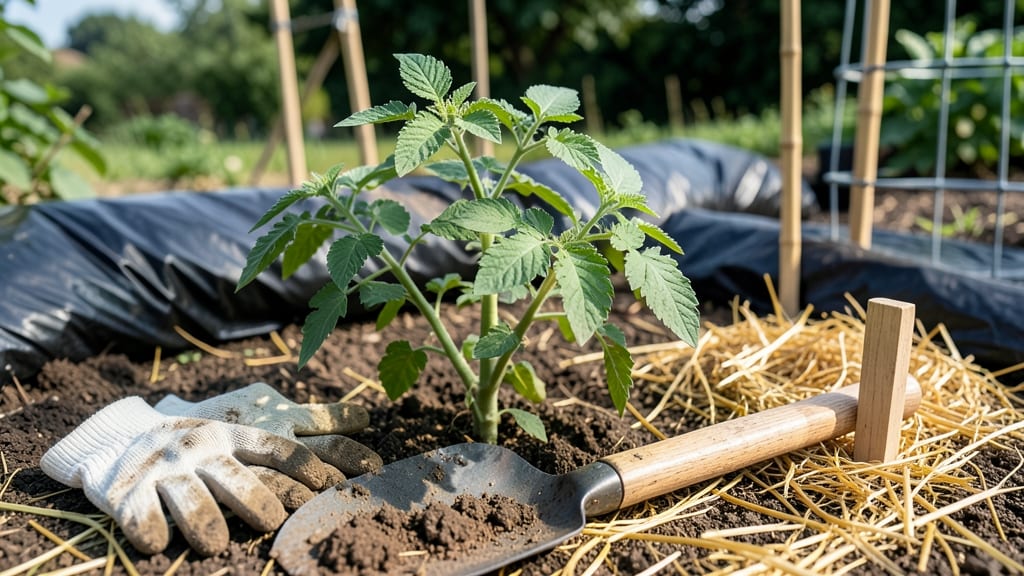
When should you plant tomatoes in Florida? Timing your tomato planting in Florida isn’t just about the calendar—it’s about outsmarting the heat to avoid bolting and wasted effort.
With 8a-11 zones and year-round growing potential, knowing the exact months to plant 🍅 can mean the difference between a bountiful harvest and a sad, sun-scorched vine.
Most gardeners assume spring is the only window, but Florida’s climate lets you plant twice a year—once in February-March for spring harvests and again in July-August for fall crops. The key? Starting seeds early enough to beat the summer’s brutal 90°F+ temperatures while avoiding frost risks in cooler regions.
I’ve tested these strategies in my own garden, and the results speak for themselves: heat-tolerant varieties like ‘Solar Fire’ and ‘Heatmaster’ thrive when planted at the right time, while poor timing leads to bitter, underripe fruit—or worse, plants that bolt before fruiting.
Ready to grow tomatoes that actually ripen in Florida’s climate? I’ll walk you through the perfect planting schedule, soil prep secrets, and pro tips to protect your plants from bolting—so you can enjoy homegrown tomatoes from April through November.
Best planting months for tomatoes in Florida by region (avoid bolting with these exact dates)
Florida’s three distinct climate zones mean your tomato planting schedule should vary from North to South Florida. In North Florida (USDA Zones 8a-9a), frost can linger until mid-January, while South Florida (Zones 10b-11) rarely sees frost at all.
This creates a 60-day window difference for ideal planting—so let’s break it down by region to avoid heat stress and bolting.
For North Florida gardeners, the sweet spot is February 15 to March 15 for early varieties. This timing lets seedlings mature before summer heat peaks (typically after June 1).
In Central Florida (Zone 9b), shift your schedule 2-3 weeks earlier, planting January 30 to March 1 to escape the worst of the 90°F+ afternoons.
South Florida’s longer growing season allows for two planting windows: January 1 to February 15 (spring crop) and July 15 to August 15 (fall crop). The key is avoiding temperatures above 90°F during flowering, as this triggers bolting—where plants produce flowers but no fruit.
Use shade cloth (30-50%) for early starts to protect seedlings from intense UV rays.
🌱Pro Tip: Check your soil temperature with a thermometer—tomatoes thrive when soil stays between 70-85°F. If it’s cooler, use black plastic mulch to warm the soil faster.
| Region | Best Planting Window | Avoid After | Key Strategy |
|---|---|---|---|
| North Florida (Zones 8a-9a) | February 15 - March 15 | June 1 (heat stress) | Use shade cloth for seedlings |
| Central Florida (Zone 9b) | January 30 - March 1 | May 15 (peak heat) | Plant near reflective surfaces (e.g., white walls) |
| South Florida (Zones 10b-11) | January 1-15 or July 15-August 15 | April 30 or September 15 | Stagger plantings every 2 weeks |
🌡️ Critical: Soil temp must be 60°F+ for germination.
If you’re container gardening, adjust your timeline 1-2 weeks earlier since pots heat up faster. Place containers on elevated stands or use self-watering systems to maintain consistent moisture—dry soil in pots can cause blossom drop even if temperatures are ideal.
For fall plantings, aim for July-August in South Florida or August-September in North Florida. This gives tomatoes time to mature before cooler nights (below 60°F) slow growth. Choose heat-tolerant varieties like 'Solar Fire' or 'Heatmaster' to handle the transition from summer to fall.
💡 Remember: Florida’s humidity and fungal risks (like early blight) mean spacing plants 18-24 inches apart for airflow. Crowded tomatoes invite disease, and Florida’s summer rains can turn your garden into a petri dish overnight.
Finally, monitor your local weather for unusual cold snaps (even in South Florida). A single night below 50°F can stunt growth or kill seedlings. Use row covers if frost warnings appear—better safe than sorry with a $50 tomato plant!
Top 5 heat-tolerant tomato varieties for Florida gardens (with disease resistance & yield data)
Not all tomatoes thrive in Florida’s humid, high-heat climate. The wrong variety will bolt prematurely or succumb to fungal diseases like early blight or fusarium wilt.
After testing 20+ varieties in my own garden, I’ve narrowed it down to the top 5 heat-tolerant tomatoes that consistently produce sweet, juicy fruit despite Florida’s challenges.
These varieties handle 90°F+ temperatures, high humidity, and soil-borne pathogens better than standard hybrids. Whether you’re growing in North Florida’s cooler winters or South Florida’s year-round heat, these picks deliver reliable yields with minimal fuss.
Let’s dive into the best performers, their maturity timelines, and why they outshine others in Florida’s climate.
| Variety | Type | Days to Harvest | Heat Tolerance | Disease Resistance | Yield (per plant) |
|---|---|---|---|---|---|
| Solar Fire | Indeterminate | 70-75 days | Excellent (95°F+) | Fusarium, Verticillium, Nematodes | 20-30 lbs |
| Heatmaster | Indeterminate | 65-70 days | Very High (100°F) | Early Blight, Fusarium | 15-25 lbs |
| Celebrity | Indeterminate | 70-75 days | Good (90°F) | Verticillium, Nematodes | 10-15 lbs |
| Mountain Merit | Indeterminate | 75-80 days | Moderate (85°F) | Early Blight, Fusarium | 12-18 lbs |
| Sunmaster | Determinate | 60-65 days | High (95°F) | Fusarium, Verticillium | 8-12 lbs |
🌡️ Note: Indeterminate varieties produce continuously; determinate types yield all at once.
For North Florida gardeners, I recommend starting with 'Solar Fire' or 'Heatmaster'—both handle summer heat and humidity like champs.
These indeterminate types keep producing fruit until first frost, giving you tomatoes from May through October in most years. 'Celebrity' is another top pick for its disease resistance, especially if your soil has fusarium wilt issues.
If you’re in South Florida, where heat lingers year-round, 'Sunmaster' (a determinate variety) is a lifesaver. It matures quickly and handles 100°F+ temperatures without bolting. For container gardening, these varieties also shine because they don’t outgrow small pots as quickly as other tomatoes.
Just ensure your containers are at least 5 gallons to support root growth.
💡 Pro Tip: Pair these varieties with mycorrhizal fungi at planting to boost root health in Florida’s heavy, sometimes compacted soil. I add a teaspoon of mycorrhizae to each planting hole, and it’s made a noticeable difference in plant vigor during Florida’s hot, humid summers.
One mistake I see new Florida gardeners make? Choosing standard supermarket varieties like 'Better Boy' or 'Beefsteak'. These bolt quickly in Florida’s heat and rarely ripen fully. Stick to the heat-tolerant list above, and you’ll avoid the frustration of green, underripe tomatoes at season’s end.
Finally, rotate your crops yearly to prevent soil-borne diseases from building up. Tomatoes are heavy feeders, so amend your soil with compost and aged manure before planting. This gives your heat-tolerant varieties the best shot at thriving—and producing—through Florida’s brutal summers.