
Plants
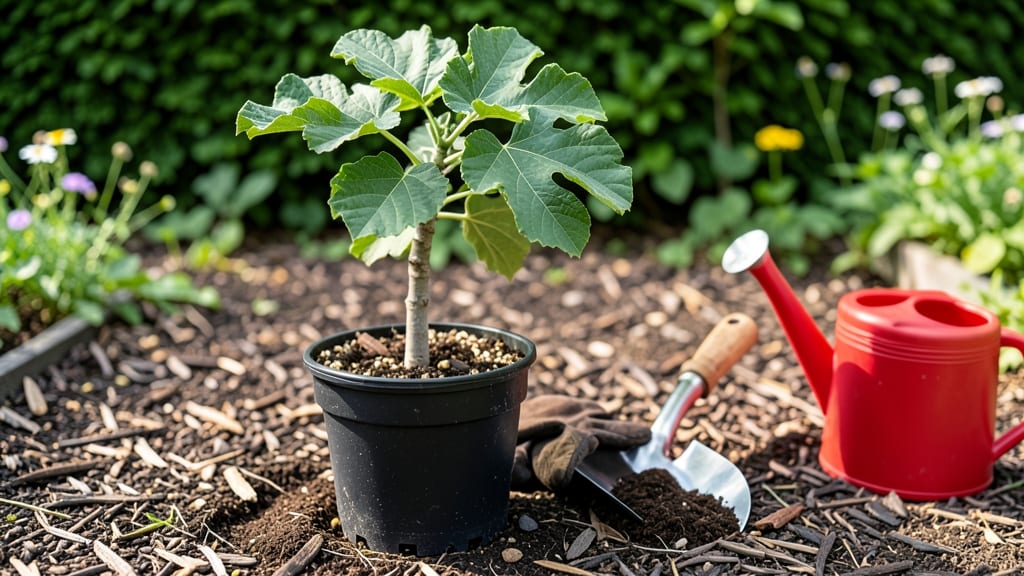
Fig trees thrive in New York's warmer months, but planting them at the wrong time can mean frost damage or stunted growth. Unlike tropical plants, these 🍈 trees need a balance of warmth and time to establish roots before winter hits.
The perfect window for planting in New York falls between late May and early July, after the last frost has passed and soil temperatures reach at least 60°F. This timing ensures your fig tree gets enough growing season to mature before colder weather arrives.
Why does this matter? In zones 5-8, early planting risks frost damage, while late planting may not give your tree enough time to bear fruit. I’ll show you how to pick the best month based on your specific microclimate—whether you’re in NYC, the Hudson Valley, or Western NY.
From soil prep to frost protection tips, you’ll learn exactly how to give your fig tree the best start for a bountiful harvest. Let’s get those roots growing!
Best months to plant fig trees in NY by microclimate Zone
New York’s diverse climate means fig tree planting windows vary dramatically from Zone 5 (Western NY) to Zone 8 (Long Island). The safest planting window is 2-4 weeks after your region’s last frost, when soil temperatures hit 60°F+.
For most of NY, this lands in late May to early July, but urban heat islands in NYC can push this window earlier.
Fig trees thrive in USDA Zones 7-10, but NY’s colder zones (5-6) require container growing or winter protection. Cold-hardy varieties like ‘Chicago Hardy’ or ‘Celeste’ tolerate brief frosts, but young trees still need shelter.
Always check local frost dates via the Cornell Garden Network or NOAA’s frost maps for precision.
Below, I’ve broken down the ideal planting months for NY’s four key microclimate zones, accounting for frost risk, heatwaves, and soil warming. Use this as your planting calendar to avoid frost damage and maximize fruit production.
🌱
For container gardening in colder zones, you can plant as early as April if you use heat mats or move pots indoors during frosts. Just ensure pots have drainage holes and use lightweight soil mixes to prevent root rot.
In Zone 8 (Long Island), you can even plant in early fall (September), giving roots time to establish before winter.
Pro tip: If you’re in Zone 5-6, opt for bare-root fig trees in early spring—they establish faster than container-grown trees. For NYC’s urban heat islands, planting in late April (even before the official last frost) is often safe due to the 5-10°F warmer microclimate compared to rural areas.
Always test your soil’s drainage and pH before planting—figs hate soggy roots but thrive in slightly alkaline soil (pH 6.0-7.0). Amend heavy clay soils with compost and perlite to improve aeration. If your soil is too acidic, add lime 2-3 months before planting.
🌿
One final tip: Monitor weather forecasts for late frosts. Even in June, a blackberry frost can kill young fig trees. If frost is forecasted, cover your tree with a frost blanket or move containers to a sheltered spot.
With the right timing, your fig tree will reward you with sweet, homegrown fruit by next summer!
☀️
How to extend your fig tree’s growing season in cold NY climates
New York’s short growing season can challenge fig trees, but with the right strategies, you can push your tree’s limits and enjoy fruit for years. The key is creating a microclimate that mimics warmer conditions—whether through mulching, container gardening, or choosing cold-hardy varieties.
Even in Zone 5, these methods can protect your tree from late frosts and early freezes.
Start by selecting cold-hardy fig varieties like 'Chicago Hardy' or 'Celeste,' which tolerate temperatures down to 15°F. These varieties are bred to survive NY winters, but they still need extra care during transitional seasons (spring and fall).
Pair them with mulching to insulate roots—apply a 4-6 inch layer of straw or wood chips in late fall to lock in warmth.
🌱 5 Proven Ways to Extend Your Fig Tree’s Growing Season
- 1. Mulch heavily (4-6 inches) in fall to insulate roots from freezing temps.
- 2. Use containers for mobility—move pots indoors or to garages during frosts.
- 3. Plant on south-facing slopes to capture warmth and delay frost exposure.
- 4. Wrap trunks with burlap or frost cloth in late fall to prevent cracking.
- 5. Choose dwarf varieties like 'Little Miss Figgy' for easier winter protection.
For urban gardeners, container gardening is a game-changer. Pots allow you to move your fig tree to sheltered spots (like patios or garages) when temperatures dip below 32°F.
Use large containers (15+ gallons) with drainage holes to prevent root rot, and fill them with a well-draining mix of potting soil and compost. Elevate pots on cinder blocks to protect roots from cold ground.
Another smart trick is to plant near heat-absorbing surfaces, like brick walls or pavement, which radiate warmth back to the tree. This microclimate hack can add 2-3°F of extra warmth, giving your fig tree a longer growing window.
Pair this with a windbreak (like a fence or shrubs) to shield your tree from chilling winds, which can stress young plants.
In late spring, monitor your tree’s progress closely. If a late frost is forecasted, cover young leaves with frost cloth or a lightweight blanket to protect tender growth. Water deeply before the frost to help roots absorb moisture and reduce stress.
With these strategies, even Zone 5 gardeners can successfully grow fig trees—and enjoy homegrown fruit year after year!
Don’t forget to prune in early spring to remove any frost-damaged branches. This encourages new growth and keeps your tree healthy for the next season. With patience and the right techniques, your fig tree can thrive in even the coldest corners of New York.