
Planting
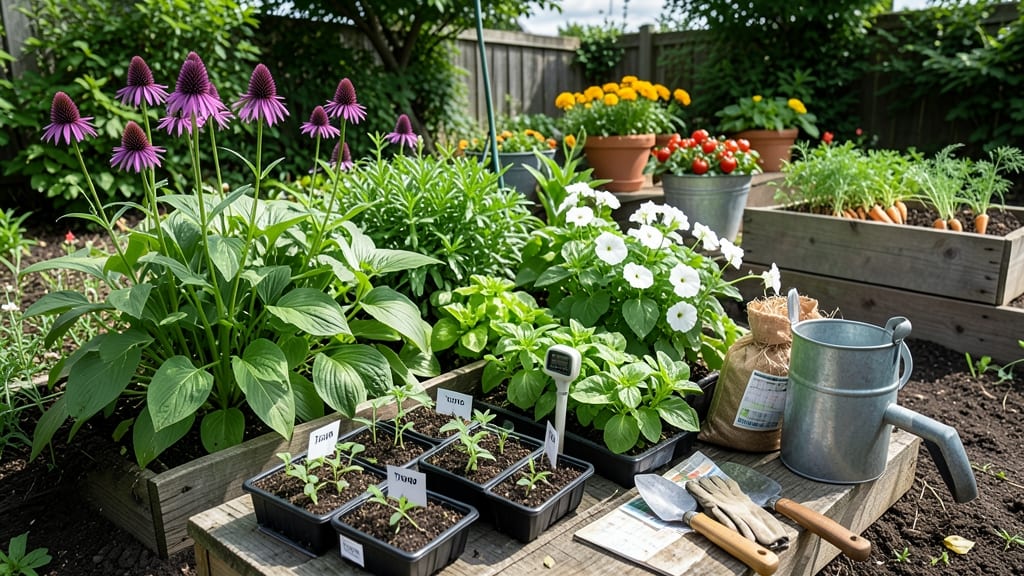
Timing your garden just right in Cleveland, Ohio, isn’t just about guessing—it’s about beating the Lake Erie winds and urban heat islands to give your 🌱 General Garden Plants the perfect head start.
The 6a zone rules don’t tell the whole story, especially when downtown’s concrete absorbs heat while lakefront areas stay cooler for weeks longer.
Most gardeners here wait until mid-April to mid-May after the last frost, but that’s a broad brushstroke. I’ve seen tomatoes thriving in downtown planters by early May while lettuce near the lakefront still needed frost blankets until June.
The key? Knowing your microclimate’s quirks—like how 3-4 weeks can separate success from disappointment.
This isn’t about memorizing dates—it’s about reading your yard’s signals. We’ll break down exactly when to plant everything from cool-loving peas to heat-hungry peppers, plus how to stretch your season with simple tricks. Ready to turn Cleveland’s unpredictable weather into your gardening advantage?
Let’s dive into the data-driven planting windows that actually work for your corner of the city, whether you’re battling wind off Lake Erie or baking in a downtown heat pocket. Your garden’s best start begins with knowing these timelines inside out.
Cleveland’s last frost dates by microclimate zone (with planting timelines)
Cleveland’s gardening success hinges on understanding its three distinct microclimates: the Lake Erie-cooled East Side, the urban heat-island Downtown, and the West Side’s transitional zone. These areas can experience 2-3 week differences in last frost dates, dramatically affecting planting windows.
Lake Erie’s moderating effect delays spring near the shore, while Downtown’s concrete absorbs heat, creating a prematurely warm microclimate perfect for early warm-season crops.
For accurate planning, use USDA Zone 6a as your baseline but adjust ±2 weeks based on your specific location. The East Side (Lakefront) typically sees its last frost April 22-28, while Downtown may warm up 1-2 weeks earlier.
The West Side falls in between, usually aligning with the citywide average of April 15-20. These variations mean your neighbor’s tomato plants might thrive weeks before yours near the lake.
| Zone | Last Frost | Plant Cool-Season Crops | Plant Warm-Season Crops | Notes |
|---|---|---|---|---|
| East Side (Lakefront) | April 22-28 | March 15-April 1 | May 5-15 | Lake delays warming; use row covers |
| Downtown (Urban Heat) | April 10-16 | March 1-15 | April 25-May 5 | Warmer microclimate; ideal for peppers/tomatoes |
| West Side (Transitional) | April 15-20 | March 10-April 1 | May 1-10 | Average city conditions; best for beginners |
Cool-season crops like kale, spinach, and peas should be sown 4-6 weeks before your area’s last frost date. For the East Side, this means starting seeds indoors by February 20 or direct-sowing by March 15.
Downtown gardeners can push these dates back 2 weeks, allowing for earlier harvests. Warm-season crops like tomatoes, peppers, and cucumbers need soil temperatures above 55°F (13°C), which typically occurs 2-3 weeks after the last frost.
Pro tip: Use a soil thermometer to confirm readiness. Warm-season crops planted too early in cool soil will rot or fail to thrive. For example, Downtown’s earlier last frost means you can plant tomato seedlings by April 25, while East Side gardeners should wait until May 5.
This 2-week window can mean the difference between a bountiful harvest and stunted plants.
Don’t forget about fall planting! Cleveland’s first frost typically arrives October 15-25, leaving a 6-8 week window for cool-season crops like broccoli and carrots. Plant these August 1-September 15 for a late-season harvest.
The East Side’s cooler nights may extend this window by 1-2 weeks, while Downtown’s retained heat might shorten it.
For perennials and shrubs, timing matters less, but planting in early spring (April) or fall (September-October) gives roots time to establish before extreme temperatures. Evergreens should be planted in fall to avoid winter desiccation from Downtown’s wind tunnels.
Always amend soil with compost and mulch to protect roots during Cleveland’s temperature swings.
Track local data using the NOAA Cleveland weather station or Cuyahoga County Master Gardeners’ frost reports. These resources provide real-time adjustments for Cleveland’s unpredictable weather patterns, such as late-season frosts in May or early October warm spells.
By aligning your planting schedule with these microclimate-specific guidelines, you’ll maximize your garden’s potential and avoid the common pitfalls of Cleveland’s variable climate.
Remember: Cleveland’s urban heat islands can create microclimates where peppers thrive in Downtown while lettuce bolts near Lake Erie. Use these differences to your advantage by planting heat-loving crops in warmer zones and cool-season crops in lake-influenced areas.
With the right timing, you’ll enjoy a longer growing season and healthier plants across your entire garden.
How to adjust planting dates for Cleveland’s unpredictable weather patterns
Cleveland’s weather is famously fickle—one day you’re planting tomatoes, the next you’re scrambling to cover seedlings with frost blankets. The key to beating this unpredictability? Adjusting planting dates based on soil temperature, not just the calendar.
I’ve learned that even a 10°F swing in soil temps can mean the difference between thriving plants and stunted growth.
Start by tracking soil temperatures (not air temps) using a soil thermometer. Most warm-season crops like peppers and tomatoes need soil at 60°F or warmer—something that can take 3-4 weeks longer near Lake Erie than in downtown heat pockets.
I’ve seen gardeners rush to plant in late April only to watch their seedlings rot when cold soil slows germination.
Another game-changer? Using NOAA’s frost prediction tools alongside local garden club data. The Cleveland Botanical Garden tracks actual frost dates annually, and their records show the last spring frost can vary by up to 3 weeks across the city.
For example, Edgewater often sees frost until April 25, while Ohio City might be frost-free by April 10.
- 🌡️ Soil Temp Rule: Wait until soil hits 50°F+ for cool crops (peas, spinach) or 60°F+ for warm crops (tomatoes, peppers). Use a soil thermometer—air temps lie!
- 🗓️ Microclimate Math: Subtract 7-10 days from downtown planting dates if you’re near Lake Erie. Add 5-7 days if you’re in a heat pocket like Downtown or Tremont.
- 🌱 Staggered Planting: Sow half your seeds 2 weeks before your target date and the rest after. This ensures at least one batch survives Cleveland’s late frosts.
Don’t overlook crop rotation as a weather-mitigation tool. I rotate my cool-season crops (like kale and carrots) with warm-season crops (like basil and cucumbers) to take advantage of Cleveland’s 165 frost-free days.
For instance, I plant bush beans in early June after my spinach harvest—this lets me extend the season by 4-6 weeks without competing for space.
For container gardening, which is huge in Cleveland’s urban areas, use black plastic pots to absorb heat and speed up soil warming. I’ve seen pepper seedlings in black containers thrive 2 weeks earlier than in white ones.
Pair this with row covers for an extra 2-3°F temperature boost during chilly nights.
Finally, embrace succession planting—it’s your secret weapon against Cleveland’s unpredictable harvest windows. Instead of planting all your lettuce seeds at once, sow small batches every 2 weeks from April through July.
This ensures a steady supply even if a late frost wipes out one batch. My herb garden thrives this way, with fresh cilantro and parsley ready to harvest all summer long.