
Planting
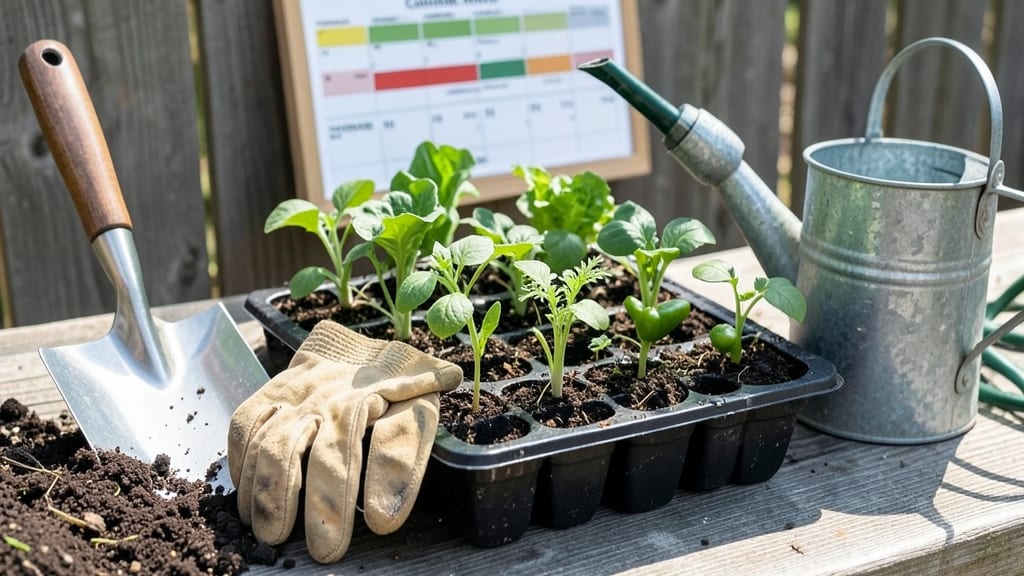
Figuring out when to plant a vegetable garden in California can feel like solving a puzzle—especially when coastal fog clashes with desert heat just a few hours away. One wrong move, and your lettuce bolts before you even taste it, or your tomatoes wilt under unexpected summer swelter.
I’ve grown gardens in USDA Zones 7b through 10a, and the difference between a thriving harvest and a sad, wilted mess often comes down to timing.
Whether you’re in frost-prone Sacramento or sunbaked San Diego, knowing the exact months to sow, transplant, or harvest each crop is the secret to zero wasted effort.
Let’s break it down by microclimate—coastal, valley, desert—so you can plant with confidence. I’ll share the best months for heat-loving tomatoes, bolt-resistant greens, and even how to extend your growing season when California’s mild winters trick you into thinking it’s safe to plant too early.
No more guessing games. Just proven strategies to turn your garden into a year-round powerhouse. Ready to dig in?
California’s 5 planting zones: microclimate-specific months for zero bolt risk
California’s gardening calendar isn’t one-size-fits-all—what works in coastal San Francisco will fail in desert Palm Springs. The state’s 5 distinct planting zones (coastal, valley, desert, foothills, and high-elevation) dictate when to sow seeds or transplant seedlings to avoid bolting greens or heat-stressed tomatoes.
Let’s break down the exact months for each zone, using USDA zones 8-11 as our guide.
First, identify your zone: Coastal areas (like Santa Cruz) enjoy mild winters but cool summers, while the Central Valley (Sacramento) bakes in July but stays frost-free year-round. Desert regions (Joshua Tree) require shade cloth for summer crops, and high-elevation zones (Mount Shasta) face earlier frosts.
Your last frost date is your golden rule—count 14-21 days after it to start warm-season crops.
Here’s how to match your location to the right planting window:
| Zone | USDA Zone | Cool-Season Crops (Sow) | Warm-Season Crops (Transplant) | Last Frost Date |
|---|---|---|---|---|
| Coastal | 8-10 | Sep–Nov, Feb–Mar | Apr–May, Aug–Sep | Dec 15–Jan 15 |
| Central Valley | 9-10 | Oct–Dec, Jan–Feb | Mar–Apr, Aug–Sep | Jan 1–Feb 15 |
| Desert | 10-11 | Aug–Sep, Dec–Jan | Feb–Mar, Sep–Oct | Dec 1–Jan 10 |
| Foothills | 7-9 | Aug–Sep, Feb–Mar | Apr–May, Jul–Aug | Nov 15–Dec 15 |
| High Elevation | 5-7 | May–Jun, Aug–Sep | Jun–Jul | May 1–Jun 1 |
For cool-season crops like lettuce or broccoli, coastal gardeners can plant as early as September, while desert growers wait until December to avoid heat stress. Warm-season crops (tomatoes, peppers) thrive when soil hits 60°F—use a soil thermometer to test before transplanting.
In the Central Valley, March is prime for tomatoes, but coastal areas wait until April to avoid chilly nights.
Pro tip: Succession plant heat-loving crops like okra or sweet potatoes in August for a fall harvest, especially in desert zones where summer is too intense. High-elevation zones can extend seasons by using row covers in spring or cold frames in fall to protect tender greens.
Don’t overlook microclimate tweaks: A south-facing slope warms up faster than a north-facing garden, so adjust planting dates 2-4 weeks earlier for sun-trapped spots. Urban heat islands (like Los Angeles) can push planting dates 1-2 weeks ahead compared to rural areas. Always check your
How to adjust planting dates for California’s unpredictable weather patterns
California’s weather is famously unpredictable—one day it’s 60°F and sunny, the next it’s a 90°F heatwave with Santa Ana winds drying out your soil overnight. These swings can turn your carefully planned garden into a disaster if you don’t adjust your planting dates.
I’ve learned the hard way: planting lettuce in March in the Central Valley often means bolting by May, while coastal gardeners can safely sow in February without frost risk.
To beat the odds, I rely on three key strategies: tracking frost-free dates, monitoring soil temperatures, and using backup planting windows for high-risk crops. Let’s dive into how to stay ahead of California’s wild weather—so your garden thrives, not just survives.
🌱
Even in Zone 10a, late frosts can sneak in—especially in high-elevation areas like Sacramento or Fresno. Use the USDA Plant Hardiness Zone Map and local frost alerts (check California Weather Service) to adjust planting by 2-4 weeks if needed.
Pro Tip: Plant cold-hardy crops like kale or broccoli 4-6 weeks before your average last frost date for a head start.
If you’re growing heat-sensitive crops like lettuce or spinach, don’t wait until the last minute. Start seeds indoors 6-8 weeks before your target transplant date, or use shade cloth to protect young plants from sudden heat spikes.
I once lost an entire row of baby greens in April because I underestimated how quickly the Central Valley heats up—now I plant mine under 30% shade cloth until they’re established.
For desert regions like Palm Springs or Riverside, the challenge is avoiding summer heat. Most vegetables bolt or wilt when soil temps exceed 90°F. Solution? Plant heat-tolerant varieties like Malabar spinach or okra, and focus on fall/winter crops.
I’ve had the best luck with succession planting in August-September—just as the desert starts cooling down.
💧
Don’t forget: Soil temperature matters more than air temperature. Use a soil thermometer ($10 at any garden center) to check when it’s safe to plant. Most cool-season crops need soil temps between 45-75°F, while warm-season crops like tomatoes thrive at 70-85°F.
If your soil is still below 50°F in March, wait—even if the weather looks promising.
For a foolproof backup plan, I keep a second planting schedule for high-risk crops. If my April lettuce starts bolting, I’ve got shade cloth ready to go or a second batch of seeds scheduled for late August (just in time for fall harvests).
It’s extra work, but it’s saved my garden from total failure more times than I can count.