
Plants
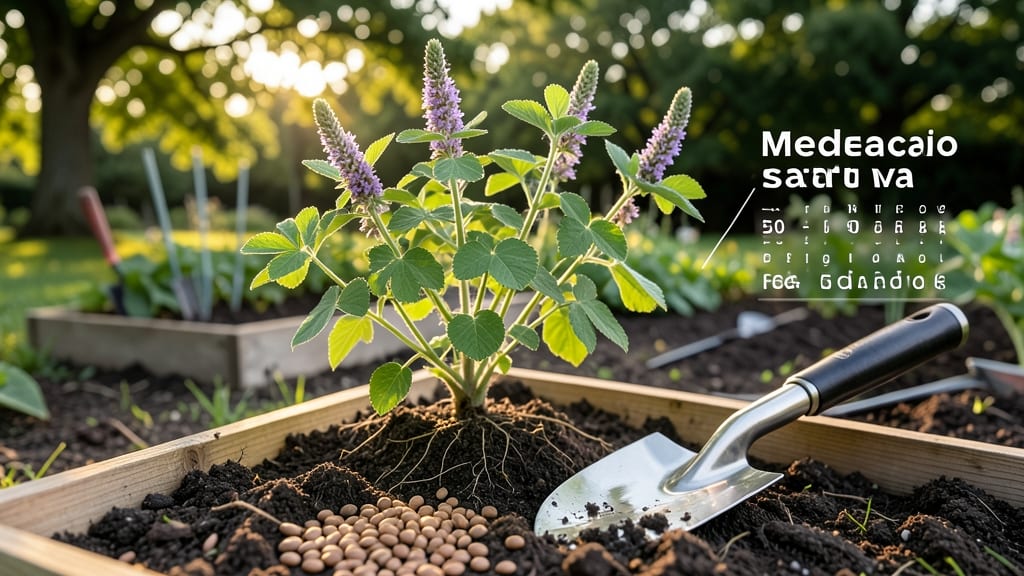
Timing your alfalfa planting in Michigan isn’t just about grabbing seeds at the store—it’s the difference between a thriving 🌱 crop and wasted effort. With USDA zones 5b-6b and unpredictable frost dates, getting the window right means avoiding stunted growth or seedlings lost to late freezes.
Most gardeners in Michigan plant alfalfa in early spring, but there’s a smarter strategy: late summer planting can give your crop a head start before winter. The key is understanding your zone’s last frost date—typically mid-April—and how soil warmth affects seed germination.
I’ll break down the exact planting windows for your zone, plus soil prep tips to ensure your alfalfa takes root strong. Whether you’re a beginner or a seasoned gardener, these insights will help you maximize your yield without the guesswork.
Ready to grow lush, productive alfalfa? Let’s dive into the best times to plant—and how to set your crop up for success from day one.
Michigan’s best planting windows for alfalfa by USDA Zone
Timing your alfalfa planting in Michigan isn’t just about grabbing seeds in spring—it’s about USDA zone risks, soil temperature thresholds, and frost-free windows that vary dramatically from northern Zone 4 to southern Zone 6.
In northern Michigan (Zone 4), your window is tighter: aim for late April to early May when soil hits 50°F. Southern Michigan (Zone 6) offers more flexibility, with early March to mid-April plantings possible if you’re ready to protect seedlings.
Alfalfa seeds need consistent warmth to germinate—below 45°F, they’ll rot in the soil. Use a soil thermometer to confirm readiness; 50-60°F is ideal. In Zone 5b (most of Michigan), this typically aligns with mid-April, but late frosts can push it to early May.
Pro tip: Plant after your county’s last frost date—check the Michigan State University Extension frost maps for real-time updates.
Here’s the golden rule for Michigan alfalfa: Plant when soil is workable (not muddy) and frost risk drops below 10%. Northern gardens should wait until May 1 unless using row covers to shield seedlings.
Southern gardens can start as early as March 15 if soil is dry enough to avoid compaction. The key? Balance speed and safety—rushing leads to seedling loss.
| USDA Zone | Best Planting Window | Soil Temp Requirement | Frost Risk | Notes |
|---|---|---|---|---|
| Zone 4 (Northern MI) | Late April–Early May | 50–60°F | High (late frosts) | Use row covers; avoid early planting |
| Zone 5a (Upper Peninsula) | Mid-April–Early May | 50–60°F | Moderate | Test soil moisture; wait for stable temps |
| Zone 5b (Central MI) | Early April–Mid-May | 50–60°F | Low-Moderate | Ideal for most Michigan gardeners |
| Zone 6 (Southern MI) | Mid-March–Early April | 45–55°F | Low | Earliest possible planting; monitor soil |
For Zone 5b and 6 gardeners, late summer planting (August) is a hidden gem. Sow seeds 6-8 weeks before first frost (typically early August) to establish roots before winter. This fall-planted alfalfa often outpaces spring plantings by 30% in yield—but only if seeds germinate before October 15.
Use a seed inoculant to boost nitrogen fixation in cooler soils.
Michigan’s short growing season demands precision. If you’re in Zone 4, prioritize early May plantings and extend the season with black plastic mulch to warm soil faster. In Zone 6, you can experiment with February sowing indoors (under grow lights) and transplant after last frost.
The trade-off? Transplant shock risks—so harden off seedlings for 10-14 days before moving them outdoors.
Don’t overlook microclimates. A south-facing slope in Zone 5a might warm up 2 weeks earlier than a north-facing lowland. Use a minimum-maximum thermometer to track your specific site’s patterns.
In Zone 6, early March plantings near greenhouses or stone walls can succeed where open fields fail. Location matters more than latitude in Michigan’s variable climate.
Protecting young seedlings from late frosts is non-negotiable. Even in Zone 6, April frosts can kill alfalfa in its first 2 weeks. Invest in frost cloth or low tunnels for $20–$50—it’s cheaper than replanting.
In Zone 4, delay planting until May 10 unless you’re willing to cover seedlings nightly until June 1. The 10-day forecast is your friend: wait for a frost-free stretch.
Alfalfa’s second-year harvest is where Michigan gardeners see the biggest payoff—but only if planted correctly. A Zone 5b planting on April 15 will be fully mature by August 2024, ready for late-summer cutting. Compare that to a Zone 4 planting on May
Signs your Michigan soil is ready for alfalfa (and how to speed it up)
Alfalfa thrives in well-drained, fertile soil with a pH between 6.5 and 7.5. In Michigan’s cool, wet springs, waiting for the right conditions can feel like waiting for summer—so knowing the key soil readiness signs saves time and seeds.
Cold, soggy soil or early weeds can stall your crop before it even starts.
First, check your soil temperature—alfalfa seeds need at least 50°F (10°C) to germinate. Use a soil thermometer (or your elbow: if it feels cool but not freezing, it’s likely ready).
In USDA Zone 5b, this usually means late April to early May, while Zone 6b gardeners can plant as early as mid-April.
Next, assess moisture levels. Alfalfa seeds need consistent moisture but won’t tolerate waterlogged soil. Press your finger 1-2 inches deep—if it’s damp but not muddy, you’re golden.
If your soil feels like a sponge squeezing out water, wait a few days or improve drainage with compost or sand.
Weed competition is another silent crop killer. If your soil is already crowded with crabgrass, dandelions, or thistles, those weeds will steal nutrients and sunlight from your alfalfa seedlings. Try solarization (covering soil with clear plastic for 4-6 weeks) or hand-pulling weeds before planting.
🌱 Pro Tip: If your soil is still too cold or wet, use a cold frame or row cover to create a microclimate. These 3-4 inch-high plastic tents trap heat from the sun, warming soil faster and giving your alfalfa a head start.
Just remove the cover once seedlings sprout to avoid overheating.
For faster results, mix 1-2 inches of compost into the top 6 inches of soil before planting. Alfalfa is a nitrogen-fixer, meaning it adds nutrients back to the soil—but it still needs a phosphorus boost at planting. A bone meal or rock phosphate application can jumpstart root growth.
Finally, test your soil pH with a home test kit (under $10). If it’s below 6.5, add lime (2-4 weeks before planting). If it’s above 7.5, mix in sulfur or peat moss.
Balanced pH means healthier roots and better nitrogen fixation, which is critical for alfalfa’s growth.
✅ Ready to Plant? Your soil is ideal when it’s 50°F+, well-drained, weed-free, and slightly moist. If you’re still waiting, use mulch or row covers to speed up the process—your alfalfa won’t plant itself!