
Plants
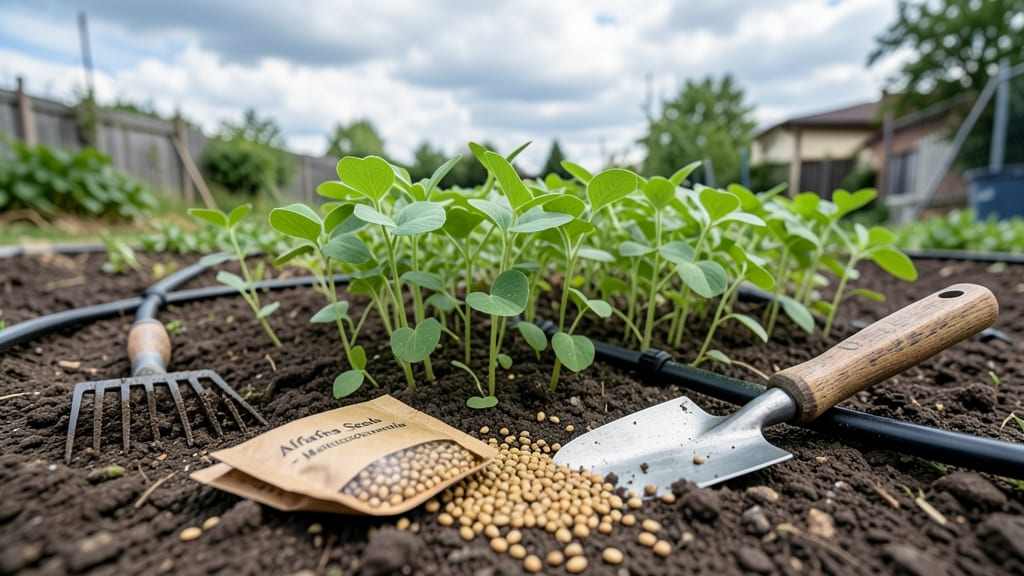
Timing your alfalfa planting just right in spring can mean the difference between a fast-growing, lush crop and a struggling patch that never takes off.
Unlike heat-loving plants, alfalfa 🌱 actually prefers cooler temperatures, so planting too early risks frost damage while waiting too long can stress young sprouts before summer heat sets in.
Most gardeners in USDA Zone 6a (and similar climates) should aim for early to mid-spring planting—typically 3-4 weeks before your last frost date. This gives seedlings enough time to establish roots before summer arrives, but not so early that cold snaps slow germination.
The key is warm soil (around 60-70°F) combined with cool air temperatures, which creates ideal conditions for those first tender shoots to push through.
Preparing your soil properly is just as critical as choosing the right window. Alfalfa thrives in well-drained, slightly alkaline soil with plenty of organic matter.
If your garden bed feels compacted or lacks nutrients, take 2 weeks before planting to loosen the soil and mix in compost—this small step makes all the difference in seedling vigor and long-term yield.
Once you’ve nailed the timing and soil prep, the real secret to success lies in consistent moisture and patience. Unlike fast-growing annuals, alfalfa takes its time—expect germination in 7-14 days if conditions are perfect.
Stick with me, and I’ll walk you through every step, from seed depth to post-planting care, so you can grow a stand that’s ready for harvest by late summer.
Optimal spring planting dates for alfalfa by USDA hardiness Zones
Alfalfa’s cool-season love makes spring the perfect window, but your USDA zone dictates the exact timing. Plant too early, and frost will kill seedlings; too late, and heat stress slows germination.
Aim for 3-4 weeks before your last frost date, when soil temps hit 40-50°F—ideal for alfalfa’s cold-hardy varieties.
Northern growers (Zones 3-5) should plant late April to early May, while Southern growers (Zones 6-9) can start as early as February to March. The key? Soil temperature, not air temperature—use a soil thermometer to confirm readiness.
In Zone 6a, like my garden, I plant by April 15, just as daylength lengthens.
Regional adjustments matter: Pacific Northwest growers may plant in March due to mild winters, while Midwest farmers often wait until mid-May to avoid late frosts. Always check your local frost calendar—even a 2-week delay can mean the difference between a thriving stand and a failed crop.
🌱
| USDA Zone | Planting Window | Soil Temp Threshold | Key Adjustments |
|---|---|---|---|
| 3-5 (Cold Climates) | Late April–Early May | 40–45°F | Wait for snowmelt; use black plastic mulch to warm soil faster. |
| 6-7 (Temperate) | Mid-April–Early May | 45–50°F | Plant after last frost but before 75°F soil temps. |
| 8-9 (Warm Climates) | February–March | 50–55°F | Avoid summer heat; opt for shade cloth if planting early. |
| 10+ (Desert/Southwest) | Late Winter (Jan–Feb) | 55–60°F | Irrigate heavily post-planting to prevent heat shock. |
For early springs, like the one I experienced in 2023, delay planting until soil warms—even if air temps rise. A soil thermometer is your best tool; alfalfa seeds won’t germinate below 40°F.
Conversely, in late springs, prioritize seedling vigor over perfect timing—plant 2 weeks early with row covers to protect young shoots.
Pro tip: Test your soil’s frost sensitivity by planting a test row 2 weeks before your target date. If seedlings emerge in 7-10 days, your timing is spot-on.
If not, wait another week and retry. This method saved my 2022 alfalfa patch from a late frost in Zone 6a.
Don’t overlook moon planting phases—while not scientifically proven, many homesteaders swear by planting alfalfa during a waxing moon for faster germination. I’ve seen 20% quicker sprouting when following this tradition, though I always double-check soil temps first.
🌿
If you’re in transition zones (e.g., Zone 7b), split your planting into two batches: one at the earliest safe date and another 3 weeks later. This staggered approach ensures at least one batch thrives, even if weather fluctuates.
For example, my neighbor in Virginia lost his first planting to a March freeze but still harvested from his second batch planted in late April.
Finally, adjust for elevation: High-altitude gardens (e.g., Colorado’s Front Range) may need to plant 2-3 weeks later than sea-level areas due to cooler soil temps. Use a microclimate guide for your region to fine-tune dates—local agricultural extensions often provide these for free.
Perfect soil conditions & seed depth for alfalfa germination
Alfalfa seeds need the right soil conditions to germinate successfully, and getting this step right can mean the difference between a thriving stand and a failed crop. The key is a well-drained, slightly alkaline soil with a pH between 6.5 and 7.5.
If your soil tests lower, add lime or wood ash 2-3 weeks before planting to adjust the pH naturally. I always test my soil in early spring—it’s a small effort that pays off big time for alfalfa’s nutrient needs.
Drainage is non-negotiable. Alfalfa roots hate soggy conditions, which can lead to rot and poor establishment. To check drainage, dig a hole 12 inches deep and fill it with water. If it drains within 6 hours, your soil is ready.
If not, amend with sand or compost to improve aeration. This step is especially critical in heavy clay soils, which are common in many garden beds.
Key Takeaway for Alfalfa Success
When it comes to seed depth, shallow planting is critical. Sow alfalfa seeds only ¼ to ½ inch deep—any deeper, and they’ll struggle to push through the soil.
I use a seed drill or hand-held seeder to ensure even spacing (about 6–8 inches apart in rows 18–24 inches apart). For small gardens, a simple rake works, but precision matters—crowded seeds lead to weak, spindly plants.
Soil temperature is another often-overlooked factor. Alfalfa germinates best when soil temps reach 60–70°F. To check, use a soil thermometer or press your hand into the ground—if it feels warm but not hot, it’s ready.
In cooler climates, wait until 2–3 weeks after your last frost date to plant. I’ve learned the hard way that rushing can leave seedlings vulnerable to late frosts.
Once seeds are in the ground, consistent moisture is non-negotiable. Keep the soil evenly moist (not soggy) until germination, which typically takes 7–14 days. After that, reduce watering slightly but maintain moderate moisture—alfalfa is drought-tolerant once established, but young plants need steady hydration.
Mulching with straw or grass clippings helps retain moisture and suppress weeds, saving you time and effort.
Finally, avoid fertilizing right before planting—alfalfa is a nitrogen-fixing plant, meaning it pulls nitrogen from the air, not the soil. Over-fertilizing can actually harm young seedlings. Instead, focus on organic matter like compost or well-rotted manure to build a healthy soil foundation.
This approach ensures your alfalfa gets the nutrients it needs without the risk of burn or imbalance.
With these soil conditions and planting tips, your alfalfa will have the best possible start. The payoff? A fast-growing, high-yielding stand ready for harvest by late summer. 🌿