
Plants
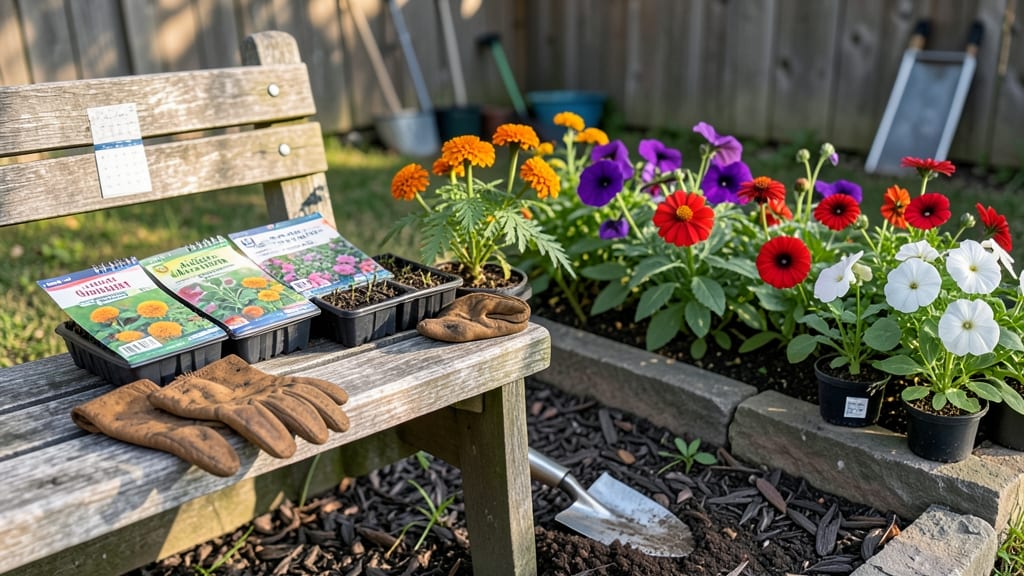
Timing your annuals planting in Chicago isn’t just about following a calendar—it’s about outsmarting the city’s notorious spring frosts and unpredictable heat waves. One wrong move, and your vibrant petunias could turn into sad, wilted memories before they even bloom.
But get it right, and you’ll enjoy a garden bursting with color from May through October.
Chicago’s microclimates create three distinct planting zones, each with its own frost-free window. Whether you’re in the city center, the suburbs, or the western prairie-like areas, knowing when to plant annuals means the difference between a thriving garden and a gamble.
I’ll break down the exact dates—plus how to extend your growing season—so you can plant with confidence.
Most gardeners make the mistake of waiting too long, only to rush planting after the last frost. The secret? Starting annuals indoors 6-8 weeks before your area’s last frost date, then transplanting when soil temps hit 60°F.
For Chicago, that means early May for cool-loving flowers and late May for heat-seekers—but there’s more to it than just dates.
Ready to transform your garden into a year-round showstopper? Let’s dive into the science behind Chicago’s planting windows, the best annuals for each zone, and pro tips to keep your flowers blooming until the first frost. Your future garden is waiting—just don’t wait too long to start!
Chicago’s last frost dates by microclimate: when annuals can safely go in the ground
Chicago’s frost dates vary dramatically across its three distinct microclimates, making timing your annual plantings a game-changer. The city center (Zone 5b-6a) typically sees its last spring frost around April 20-25, while western suburbs (Zone 5a) can wait until May 5-10.
Northern areas like Evanston often face late frosts until May 15—so check your specific zone before planting!
For heat-loving annuals like marigolds or geraniums, wait until soil temperatures hit 60°F+ (usually late May). Cool-season annuals such as pansies or snapdragons can handle earlier plantings as soon as the ground thaws, often by mid-April in city centers.
The National Weather Service tracks historical frost data—bookmark their Chicago climate page for real-time updates!
Here’s the critical frost-free window breakdown for Chicago’s three main zones, including ideal planting windows for both cool-tolerant and heat-loving annuals:
If you’re planting seeds directly in the garden, start 4-6 weeks before your last frost date. For transplants, wait until 2 weeks after the average last frost—this gives tender roots time to establish before potential late frosts.
My go-to annuals for early planting include calendulas (tolerate light frost) and lobelia (thrives in cooler temps).
For late-summer blooms, focus on heat-tolerant annuals like zinnia or cosmos, which can handle Chicago’s 90°F+ spells. These varieties often bloom 60-75 days after planting, giving you color until the first frost. Pro tip: Succession plant every 2-3 weeks from June to August for continuous blooms!
Chicago’s first fall frost typically arrives between October 5-20, depending on your zone. To extend your season, choose late-blooming annuals like chrysanthemums or celosia, which can handle cooler temps. Always monitor your local weather forecasts—a 50°F night can damage even frost-tolerant annuals!
For container gardening, you have more flexibility to move pots indoors or to sheltered areas before frosts. Just ensure your containers have drainage holes and use lightweight potting mix to prevent root rot in Chicago’s humid summers.
My favorite container annuals for Chicago include petunias (trailing varieties) and bacopa (drought-tolerant once established).
Remember: Soil temperature matters more than air temperature for annuals. Use a soil thermometer ($10 at garden centers) to confirm 60°F+ for heat-lovers or 50°F+ for cool-tolerant types. In my Chicago raised beds, I’ve seen 10°F differences between soil and air temps—don’t guess!
Local Chicago nurseries like Peck’s Nursery or The Plant offer region-specific annual mixes pre-selected for our climate. Ask for their “Chicago-proof” annuals section—these varieties are bred to handle our hot summers and cool nights
How to extend your Chicago annual planting season with smart techniques
Chicago’s short growing season doesn’t mean you’re stuck with a sparse garden. With the right techniques, you can extend your planting window by 4-6 weeks—both earlier in spring and later into fall. The trick? Protecting tender annuals from late frosts and early chills while maximizing summer heat.
I’ve tested these methods in my own backyard, and they’ve made all the difference for my marigolds, zinnias, and petunias!
Start with cold frames or row covers—these simple tools create a microclimate that traps heat during the day and insulates at night. For example, I planted pansies under a floating row cover in early April, and they bloomed by mid-May when most gardeners were just hardening off seedlings.
Even better? These covers deter pests like cabbage moths and slugs, giving your plants a head start.
🌱
For late plantings, conduct a quick risk assessment: Check the 10-day forecast for nighttime temps. If lows dip below 50°F, delay or use row covers.
I once planted marigolds in early September and lost them to a 48°F night—but after adding covers, they thrived until mid-October the next year. Patience and preparation pay off!
Pro tip: Mulch heavily with straw or shredded leaves to insulate roots. This keeps soil temps stable and reduces watering needs—critical during Chicago’s humid summers. My petunias stay lush all season long because of this simple trick.
☀️