
Plants
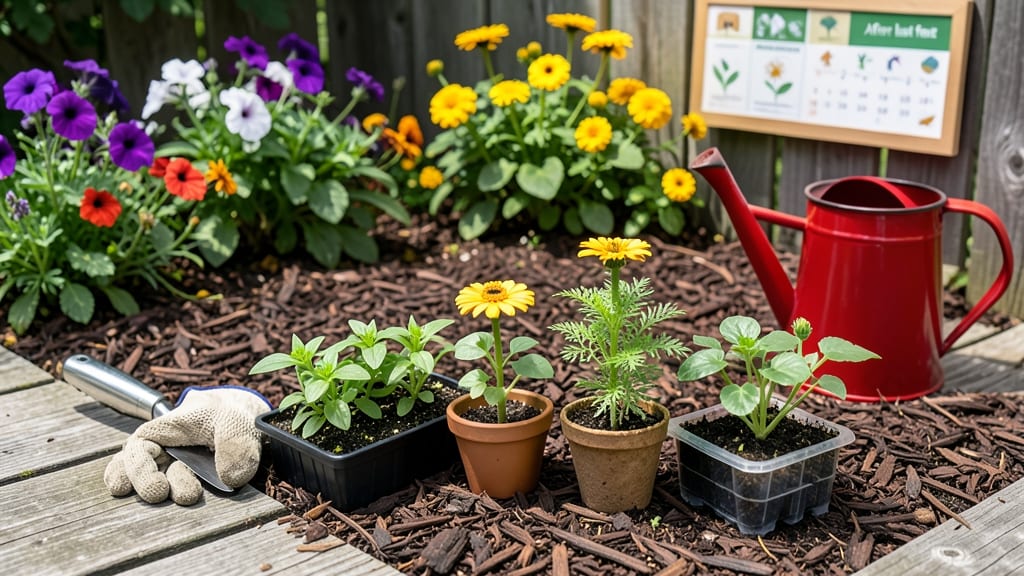
Timing your annuals planting in CT can mean the difference between a vibrant summer garden and a sad, bolted mess. Connecticut’s unpredictable spring frost dates make this one of the trickiest states for gardeners—get it wrong, and you’ll watch your 🌱 annuals wilt before they even bloom.
But here’s the good news: with a few simple adjustments based on your USDA zone (5-7), you can stretch your planting season and avoid those frustrating last-minute scrambles. Whether you’re sowing heat-loving zinnias or cool-season snapdragons, knowing the exact window to plant means zero wasted effort and maximum blooms.
I’ll break down the frost-date timeline you need to know—from coastal areas with milder springs to inland zones that freeze harder.
Plus, I’ll share pro tips for extending your season with row covers and succession planting, so you’re not left with bare soil when your neighbors’ gardens are in full swing.
Ready to turn your Connecticut garden into a nonstop showstopper? Let’s dive into the perfect planting schedule so your annuals thrive from spring to fall.
Connecticut frost-date timeline: when to plant annuals by hardiness zone (5-7)
Connecticut’s USDA zones 5-7 create a tricky balance for annuals—too early, and frost zaps tender seedlings; too late, and bolting steals your summer blooms. The key? Timing based on last spring frost and first fall frost, which vary by coastal (zone 6b-7a) vs. inland (zone 5b-6a) areas.
For example, coastal New Haven typically sees its last frost by April 15, while inland Hartford waits until May 1. These dates separate heat-loving annuals (like zinnias) from cool-season stars (like pansies).
I’ve planted annuals in both zones and learned the hard way—skipping soil temperature checks leads to slow germination. Use a soil thermometer (aim for 60°F+ for warm-season annuals) and adjust your calendar accordingly.
The National Weather Service’s frost date maps are your first stop, but I recommend adding 2 weeks of buffer time for coastal areas, where fog delays warming. For inland gardeners, watch for consistent nighttime temps above 50°F before planting heat-sensitive varieties.
🌱 Connecticut Annual Planting Timeline by Zone
| Zone & Location | Last Spring Frost | First Fall Frost | Warm-Season Planting Window | Cool-Season Planting Window |
|---|---|---|---|---|
| Zone 5b (Inland: Hartford, Springfield) | May 1 | October 15 | May 15–June 15 | March 15–April 30 or Sept 1–Sept 30 |
| Zone 6a (Coastal: Stamford, New Haven) | April 15 | October 30 | April 30–June 1 | March 1–April 15 or Sept 15–Oct 15 |
| Zone 7a (Coastal: Groton, Mystic) | April 1 | November 1 | April 15–May 15 | February 15–April 1 or Sept 1–Oct 31 |
*Adjust for microclimates: South-facing slopes warm faster; valleys hold cold longer.
For warm-season annuals (tomatoes, marigolds, basil), wait until soil temps hit 60°F+—even if the air is warm. I’ve seen garden centers rush customers into planting petunias in May, only for them to wilt under late frosts.
Use row covers to extend your window by 2-3 weeks if needed. Conversely, cool-season annuals like pansies and snapdragons can handle light frosts (down to 25°F for pansies), so plant them 4-6 weeks before your last frost for early color.
Fall planting is often overlooked, but September is prime time for cool-season annuals. In zone 5b, aim to plant by September 1 to give seedlings time to establish before winter. I’ve had calendulas and stock bloom straight through November with just a light frost cloth on chilly nights.
Coastal gardeners in zone 7a can push this even later—October 15 works for hardy varieties like lobelia.
Pro tip: Succession planting is your secret weapon. Instead of one big June planting, stagger marigolds every 2 weeks from June to August. This ensures continuous blooms and deters pests like aphids all season.
I once grew 12 weeks of zinnias by planting 3 batches—each batch lasted 4 weeks before I pulled them for compost. The key? Label your seeds and track planting dates!
Don’t forget microclimates. A south-facing wall can be 5-10°F warmer than your yard, letting you plant 2 weeks earlier. I’ve used this trick to grow geraniums in May when the rest of the garden was still too cold.
Conversely, low-lying areas may need row covers until June 1 even in zone 6a. Always scout your garden for these hot/cold spots before planning.
Finally, harden off seedlings for 7-10 days before transplant
Best annuals for Connecticut’s short growing season: heat-tolerant vs. fast-blooming varieties
Connecticut’s short growing season and variable frost dates mean choosing the right annuals can make or break your garden. Heat-tolerant varieties like zinnias and cosmos thrive in our hot summers, while fast-blooming marigolds and pansies give you color even in cooler months.
The key? Planting at the right time to avoid bolting or wilted blooms before frost.
For warm-season annuals, wait until after your last frost date (typically May 15 in most of CT) and when soil temps reach 60°F+. Cool-season annuals, like pansies or snapdragons, can handle earlier plantings—even as early as April 1 in Zone 6—but may need row covers for late frosts.
Staggered plantings every 2-3 weeks ensure continuous blooms.
Heat-tolerant annuals are your best bet for long-lasting summer color. Varieties like zinnias and marigolds handle 90°F+ temps without wilting, while cosmos and sunflowers thrive in full sun and poor soil. These plants also attract pollinators, boosting your garden’s biodiversity. For fall blooms, opt for celosia or asters, which tolerate cooler temps better than petunias or impatiens.
🌱 Heat-Tolerant Annuals
Pros:
- Thrive in 90°F+ heat
- Drought-resistant once established
- Long bloom time (June–October)
- Pollinator-friendly
Cons:
- May bolt early if planted too soon
- Some need staking (e.g., sunflowers)
- Limited fall color after frost
🌿 Fast-Blooming Annuals
Pros:
- Bloom in 6-8 weeks
- Work in partial shade
- Great for containers
- Some tolerate light frost
Cons:
- Sensitive to heat (wilt by July)
- Often short-lived (4-6 weeks)
- Need frequent deadheading
If you’re new to CT gardening, start with marigolds or zinnias—they’re forgiving and heat-loving. For early spring color, pansies and violas are hardy enough to handle April frosts if planted in well-draining soil.
Pro tip: Mix heat-tolerant and fast-blooming varieties in the same bed for season-long interest, like pairing cosmos (summer) with snapdragons (fall).
For container gardens, prioritize compact annuals like bacopa or lobelia, which thrive in partial shade and small pots. These stay lush even in CT’s humid summers and can be moved to shadier spots as temps rise. Avoid deep-rooted annuals like dahlias in containers—they’ll outgrow their space quickly.
Remember: Succession planting is your secret weapon. Sow fast-growing annuals like basil or bush beans every 2 weeks from May through July to keep your garden productive. This works for flowers too—try cosmos or sunflowers in late June for fall blooms before frost.
With the right mix, your CT garden can burst with color from May to October—no winter waste!