
Plants
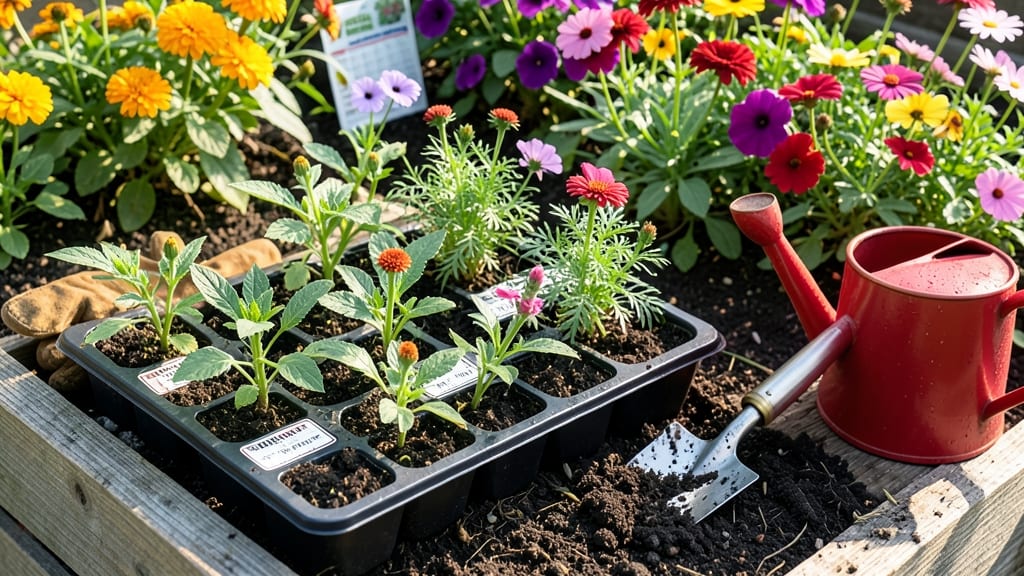
Timing your annuals planting in Michigan can make the difference between a vibrant garden and a sad, frost-nipped disappointment—especially when last frost dates swing wildly from April 15 to May 15 across Zones 5b-6a. If you’ve ever stared at seed packets wondering, "Wait, is it too early or too late?" you’re not alone.
Here’s the good news: with Michigan’s climate quirks, a little strategy goes a long way. Whether you’re dreaming of bold marigolds or delicate pansies, knowing the exact weeks before your last frost—and how to adjust for soil warmth—means you’ll skip the guesswork.
Let’s cut through the confusion and get your annuals in the ground at the perfect moment.
We’ll break down the cool-season vs. warm-season rules, plus how to stretch your planting window with row covers or succession sowing. No more waiting until it’s "too late" or panicking when an unexpected frost rolls in—just a clear, actionable timeline for Michigan gardeners.
Ready to transform your garden into a season-long showstopper? Grab your gloves, and let’s dive into the exact weeks you should plant your annuals—so you can enjoy blooms from spring right through fall.
Michigan annual planting calendar: exact weeks before last frost by variety
Michigan’s last frost dates range wildly—from April 15 in southern zones to May 15 in northern areas—so timing is everything. Cool-season annuals like pansies and snapdragons can handle light frosts, while marigolds and geraniums need warmer soil. Here’s your breakdown of weeks before last frost for peak blooms.
For Zone 5b-6a, count backward from your average last frost date. Southern Michigan gardeners (like Detroit) can plant 4-6 weeks before, while northern areas (like Traverse City) should wait 6-8 weeks. Always check your local Michigan State University Extension frost maps for precision.
🌱
| Plant Variety | Weeks Before Last Frost | Notes |
|---|---|---|
| Pansies & Violas | 6-8 weeks | Frost-tolerant; plant early for spring color. |
| Snapdragons | 4-6 weeks | Cool-season; avoid summer heat. |
| Marigolds | 2-3 weeks (after last frost) | Warm-season; needs soil >50°F. |
| Cosmos | 1-2 weeks (after last frost) | Drought-tolerant; thrives in heat. |
| Petunias | 2-3 weeks (after last frost) | Heat-loving; mulch to retain moisture. |
| Nasturtiums | 3-4 weeks (after last frost) | Edible flowers; tolerates poor soil. |
Pro tip: Use row covers to extend your planting window by 2-3 weeks for frost-sensitive annuals. For example, geraniums can handle light frosts with protection, letting you plant 2 weeks earlier than usual.
Warm-season annuals like zinnias and sunflowers need soil temperatures above 60°F to germinate. Test your soil with a soil thermometer—if it’s below 55°F, wait another week or two. In Zone 6a, this usually means holding off until mid-May.
Succession planting is key for continuous blooms. Sow fast-growing annuals like bachelor’s buttons every 2-3 weeks after your last frost date. This ensures your garden stays vibrant from May through October.
🌿
Don’t overlook late-summer annuals like celosia and salvia, which thrive in Michigan’s hot August weather. These heat-lovers can be direct-sown as early as June 15 in most areas, giving them 8-10 weeks to establish before frost.
For container gardening, annuals like impatiens and begonias can be planted 2-3 weeks after your last frost, but watch for late-night frosts. Move containers indoors or use heat mats to keep roots warm if temperatures dip below 50°F.
🌻
Remember: Michigan’s first frost can arrive as early as September 15 in northern zones. Plan your warm-season annuals to bloom by late August to avoid disappointment. Use extended-release fertilizer to keep plants flowering until frost.
How to adjust planting times for Michigan’s microclimates and soil conditions
Michigan’s unpredictable microclimates can throw off even the best-laid planting plans. Urban areas like Detroit often hit 5°F warmer than rural spots, while clay-heavy soils in the Upper Peninsula stay cold longer. These factors mean your neighbor’s frost date might not match yours—so adjust your timeline accordingly.
Start by checking your local frost dates (not just the county average) and test your soil temperature with a thermometer. Most annuals need soil at 50°F+ to thrive, but cool-season crops like lettuce tolerate 40°F+.
If your soil’s running cold, hold off or use row covers to create a warmer microclimate.
🌱Pro Tip: Plant heat-loving annuals (like marigolds or zinnias) in south-facing beds first—they’ll warm up faster. Save frost-sensitive varieties (petunias, geraniums) for after Memorial Day when soil temps consistently stay above 55°F.
⚠️ Warning: Don’t Trust the Calendar
Michigan’s late spring frosts (even in June!) can wipe out tender annuals. Use frost cloth for 3-4 weeks after planting warm-season varieties. For clay soils, amend with compost or sand to improve drainage and warmth.
If you’re in Zone 5b, plan for a 2-3 week later start than Zone 6a gardeners. For example, cosmos seeds can go in mid-May in southern Michigan but wait until late May in the UP. Succession planting every 2 weeks ensures continuous blooms—critical for Michigan’s short season.
For container gardening, soil warms 2-3°F faster than in-ground beds. Place pots on dark mulch or black landscape fabric to accelerate warming. Just remember: containers dry out 3x faster—water deeply every morning to prevent stress.
Finally, watch for early morning frosts even after your last frost date. Cold frames or cloche tunnels can buy you 4-6 extra weeks of growing time for tender annuals like begonias or impatiens. With these adjustments, you’ll beat Michigan’s climate curveballs and enjoy blooms from May through October.