
Plants
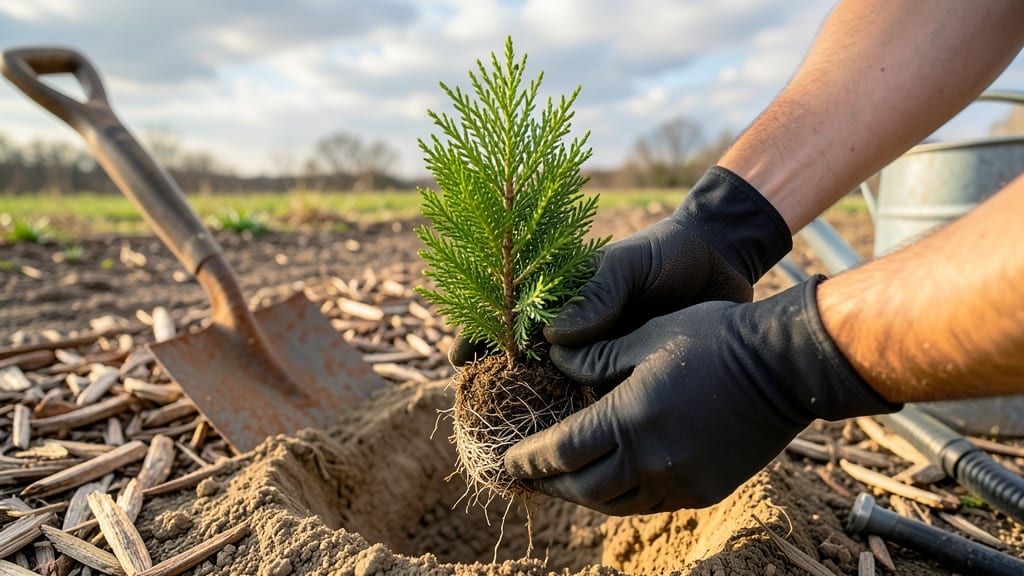
Planting your arborvitae 🌲 at the wrong time in Michigan could mean the difference between a lush, evergreen privacy screen and a struggling shrub that takes years to recover.
The key to success lies in understanding your specific USDA zone—whether you're in 5b or 6b—and choosing the optimal window for root establishment before winter sets in.
Most Michigan gardeners swear by early spring planting in April, when the soil warms enough to prevent root shock, but early fall—around September-October—can actually give your arborvitae a head start for next year's growth.
The trick is avoiding late frosts that can damage tender new roots, especially in northern zones where temperatures fluctuate unpredictably.
If you're debating between container planting or digging in-ground, timing matters even more. Container-grown arborvitae can be planted slightly later in the season, but in-ground plantings need that 6-8 week window before the first frost to establish strong roots.
Let me show you exactly how to time it right for your Michigan yard.
From soil prep to post-planting care, I'll walk you through the zone-specific steps that make all the difference. Whether you're lining a driveway or adding height to your landscape, getting this right means your arborvitae will thrive from day one—no guesswork required.
Best planting months for arborvitae in Michigan’s hardiness zones (4-6)
Michigan’s USDA Hardiness Zones 4-6 create a unique challenge for planting arborvitae—late frosts in spring and early frosts in fall demand precision. The ideal window is either early spring (April) or early fall (September-October), when soil temperatures stabilize above 40°F but before winter dormancy begins.
This timing ensures strong root establishment before extreme weather hits.
In Zone 4 (northern Michigan), aim for mid-April to early May when frost risk drops below 20%.
Southern Michigan’s Zone 6 offers a slightly longer window—late April to mid-October—but avoid planting after October 15 to prevent winter stress. Container-grown arborvitae can tolerate slightly later planting, but in-ground plants need 6-8 weeks of warm weather to root properly.
Here’s why timing matters: Arborvitae roots grow best when soil temps are consistently above 50°F. Planting too early risks frost damage to tender new roots, while planting too late limits root development before winter.
Michigan’s variable climate means checking your local last frost date (typically April 15 in most regions) is critical before breaking ground.
🌲
Fall planting (September-October) is often preferred in Michigan because it gives roots 6-8 weeks to establish before winter. The cool soil temperatures reduce transplant shock, and consistent moisture from autumn rains aids growth.
However, avoid planting after October 15—new roots won’t harden off in time for winter’s first frost.
For container-grown arborvitae, you can push the envelope slightly later in fall (up to November 1 in Zone 6), but always water thoroughly before the ground freezes.
In-ground plants, however, need at least 6 weeks of warm soil to avoid winter dieback. Michigan State University Extension recommends testing soil moisture—roots should have 2-3 inches of mulch to insulate them.
If you miss the ideal window, don’t panic—bare-root arborvitae can be planted in early spring (March-April) as long as the ground isn’t frozen. Just soak roots for 2-4 hours before planting to revive them.
Container-grown plants, however, never go dormant, so they’re more flexible for late spring or early fall adjustments.
Pro tip: Use a soil thermometer to confirm temps are above 50°F before planting. In Zone 4, this might mean waiting until late April even if frost risk seems low. Root growth stalls below 45°F, so patience pays off for long-term health.
🌿
Best planting months for arborvitae in Michigan’s hardiness zones (4-6)
Michigan’s USDA zones 4-6 create a unique challenge for planting arborvitae—too early and you risk frost damage, too late and roots won’t establish before winter. The sweet spot is between early April and mid-October, but your exact zone dictates the best window for success.
In Zone 4, where frosts linger longer, aim for April 15-May 15 or September 1-15 to avoid late-season cold snaps.
For Zones 5b and 6b, you’ve got a slightly longer window—April 1-May 30 or September 1-October 15. The key is planting 6-8 weeks before your area’s first frost date, which in Michigan typically falls around October 15.
This timing gives roots time to establish before winter dormancy sets in.
Container-grown arborvitae offer more flexibility—they can be planted 2-3 weeks later than bare-root varieties, making late spring or early fall options viable. However, in-ground plantings need that soil temperature threshold of 50°F+ for root growth to begin. Use a soil thermometer to check before planting.
Fall planting—especially in September-October—gives arborvitae a head start on root growth before winter. The plant enters dormancy with established roots, reducing transplant shock. Just avoid planting after October 15 in Zone 4 or November 1 in Zone 6b, as roots won’t have time to harden off before frost.
Pro tip: If you miss the ideal window, container-grown arborvitae can be planted as late as November in Zone 6b, but mulch heavily to insulate roots. For bare-root varieties, stick to the spring window—they’re more vulnerable to winter stress.
Remember, Michigan’s variable spring weather can delay planting. Monitor local forecasts and soil conditions—if temperatures drop below 40°F at night, wait until daytime highs consistently reach 60°F before planting. Your arborvitae’s long-term health depends on these early decisions.