
Plants
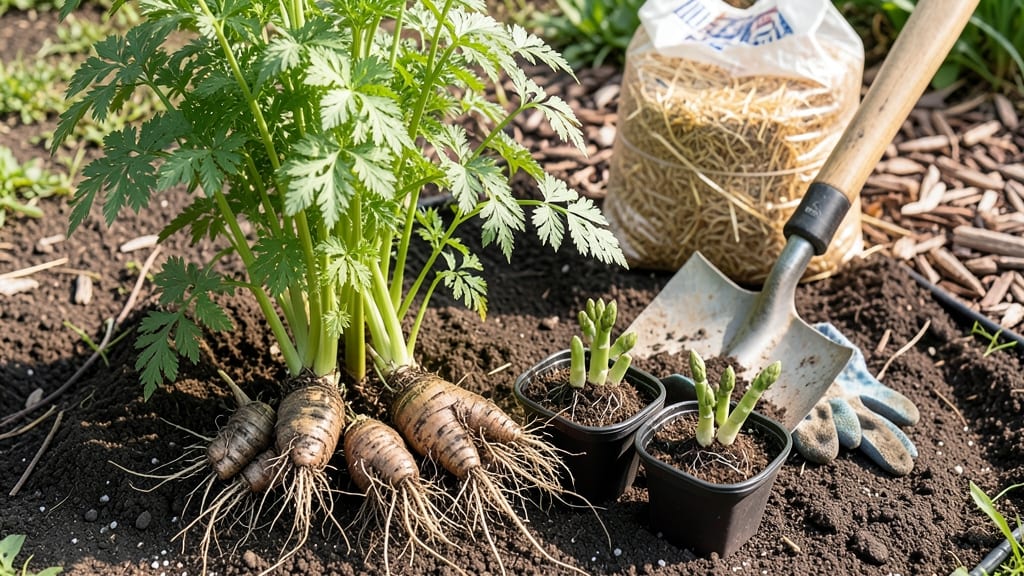
Timing your asparagus planting in Massachusetts right means the difference between a thriving 🌱 crop and years of disappointment. Skip the narrow frost-free window, and you’ll either lose your crowns to late snaps or miss the early spring soil warmth that’s critical for root establishment.
In Zone 6a, where Massachusetts falls, the sweet spot opens in early March—but don’t rush. Planting too soon risks cold soil, while waiting until May cuts your first-year growth window short.
The key is balancing soil temperature (at least 50°F) with frost dates, which in most of the state hover around mid-April.
I’ve learned the hard way that asparagus isn’t a quick fix—it’s a 3-year commitment before your first real harvest. But with the right prep (loose, well-drained soil and a sunny spot), you’ll set yourself up for decades of spears.
Let’s break down exactly when to dig in, what to avoid, and how to turn your garden into a perennial asparagus powerhouse.
Whether you’re starting with crowns or seeds, the clock starts ticking the moment the ground thaws. Missing this window means waiting another year for your 🌱 asparagus to take hold—and trust me, you don’t want that delay. Here’s how to get it right the first time.
Massachusetts asparagus planting calendar: exact dates by Zone 5-6b
Massachusetts' Zone 5-6b climate creates a tight 6-week window for planting asparagus crowns—miss it, and you risk stunted growth or frost damage. The key is planting 2-3 weeks before your last spring frost, typically between mid-March and early April in most of the state.
For Western MA (Zone 6b), aim for March 15-April 1 when soil temperatures reach 50°F+. In Eastern MA (Zone 5-6a), wait until late March to mid-April due to later frost dates. This timing ensures roots establish before summer heat arrives.
Asparagus is a perennial crop that needs patience—no harvest in year one—so proper planting timing is critical for a productive bed for 15+ years. First-year plants focus on root growth, while second-year crowns produce limited spears, and full harvests begin in year three.
Here’s how Massachusetts’ frost-free window breaks down for asparagus planting:
Use a soil thermometer to confirm readiness—roots won’t grow below 50°F. If planting in clay-heavy MA soils, amend with compost or sand to improve drainage. Avoid planting in low-lying areas where cold air pools.
For container growing, extend your window by planting in late April using black plastic mulch to warm the soil. Containers also help in urban gardens where space is limited, but ensure they’re at least 12 inches deep to accommodate roots.
Pro tip: Order crowns in early spring—they ship dormant and should be planted immediately upon arrival. Storing them longer than 2 weeks risks dehydration. If you miss this year’s window, fall planting is possible but riskier due to late-season freezes.
After planting, mulch heavily with straw or wood chips to retain moisture and suppress weeds. Asparagus is low-maintenance once established, but consistent watering in the first growing season is crucial for root development.
Remember: Patience pays off. While you won’t harvest until year three, proper timing now ensures decades of low-effort asparagus harvests—a true gardener’s reward! 🌱
How to prepare your Massachusetts garden bed for asparagus success
Preparing your asparagus garden bed in Massachusetts isn’t just about digging a hole—it’s about creating the perfect well-drained, nutrient-rich environment that mimics the plant’s natural Mediterranean habitat. Asparagus roots spread deep and wide, so soil prep is your foundation for years of harvests.
If your yard has clay-heavy soil (common in many MA regions), you’ll need to take extra steps to improve drainage, or your crowns will rot before they even sprout.
Start by testing your soil pH—asparagus thrives in slightly acidic to neutral soil, ideally between 6.5 and 7.5. If your soil is too alkaline (a common issue in northern MA), amend it with sulfur or peat moss a few months before planting.
I’ve seen gardens where growers skipped this step, only to watch their asparagus struggle with nutrient uptake and stunted growth.
Next, focus on soil texture. Asparagus roots need loose, aerated soil to spread freely. Work in 2-3 inches of compost or well-rotted manure into the top 12 inches of soil. For heavy clay, mix in coarse sand or perlite to break up compaction.
If your soil is sandy, add organic matter like leaf mold to retain moisture and nutrients. Think of this as giving your asparagus a lifetime spa treatment—once you’ve prepped the bed, you’ll rarely need to amend it again.
Don’t overlook bed location. Asparagus is a sun-worshipper, needing at least 6 hours of direct sunlight daily. In Massachusetts, a south-facing bed gets the most warmth in early spring, which is critical for root establishment.
If your yard has shady spots, consider a raised bed—it warms up faster in cool springs and gives you better control over soil conditions. I’ve had success with 8-foot-wide beds because they’re easy to reach from both sides for harvesting.
One final pro tip: avoid fresh manure near planting time—it can burn delicate roots. Instead, use composted materials or a balanced 10-10-10 fertilizer at planting. After your asparagus is established (year 3+), you can top-dress with compost annually.
The key is consistency—asparagus is a patient plant, and your prep work now will pay off for decades.
With your bed prepped, the next step is planting—just remember, patience is key. Your first harvest won’t come until year 3, but the wait is worth it for those sweet, tender spears that’ll make your neighbors jealous. 🌱