
Plants
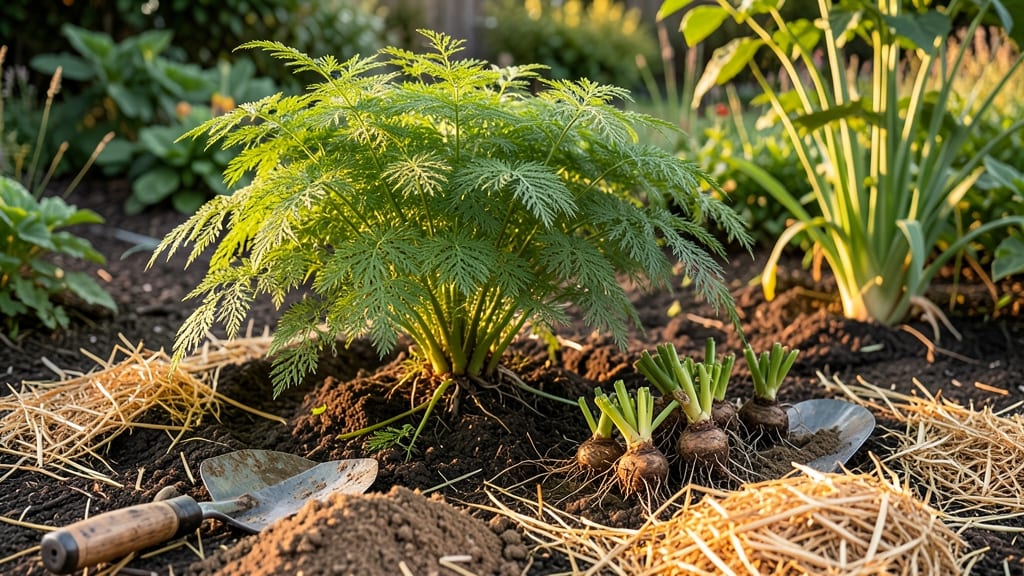
Timing your asparagus planting in Tennessee isn’t just about the calendar—it’s about dodging frost, soil temperature, and even your county’s microclimate quirks. Plant too early, and a late freeze will turn your crowns to mush before they sprout.
Too late, and you’ll miss the narrow window where soil warms enough for roots to take hold.
Most Tennessee gardeners swear by March to early April for planting 🌱 asparagus crowns, but the real secret lies in your specific zone.
Whether you’re in Nashville’s 6b or Chattanooga’s 7a, last-frost dates can shift by weeks—and that means the difference between a thriving patch and a sad, browned mess.
Here’s the game-changer: I’ll break down the exact planting windows by county, plus how to adjust for cold snaps, soil prep, and even whether crowns or seeds give you the edge. No more guessing—just data-backed timing to ensure your asparagus stands tall from year three onward.
Ready to turn your Tennessee garden into a spear-producing powerhouse? Let’s get into the details so you can plant with confidence and harvest like a pro.
Tennessee asparagus planting zones: exact dates by county for frost-free success
Tennessee’s USDA zones 6a-7b create a tricky balance for asparagus growers. The Cumberland Plateau in East TN can see frosts until mid-April, while West TN’s Memphis averages last-frost dates in early March.
Planting too early risks frost damage to emerging crowns, but waiting too long delays your first harvest by a full year. I’ll break down the ideal planting windows for your specific county to maximize your spears’ potential.
For East Tennessee (Knoxville, Chattanooga), aim for late March to early April when soil temperatures consistently hit 50°F.
In Middle Tennessee (Nashville, Murfreesboro), you can start as early as mid-March in protected microclimates. West Tennessee (Memphis, Jackson) gardeners have the earliest window—February to early March—thanks to warmer winters. Each region’s timing aligns with last-frost averages and soil warming patterns.
⚠️ Critical Tip: Use a soil thermometer to confirm 50°F soil temps before planting. Cold soil delays root establishment and increases frost sensitivity. I’ve planted asparagus in March only to see crowns freeze when a 28°F night hit—don’t make my mistake!
Your asparagus crowns should arrive 1-year-old from nurseries like Johnny’s Selected Seeds or Baker Creek. I recommend varieties like ‘Mary Washington’ (classic, cold-hardy) or ‘Purple Passion’ (heat-tolerant for West TN).
Plant them in 6–8-inch-deep trenches spaced 12–18 inches apart—this gives roots room to spread and spears space to emerge without crowding.
After planting, mulch heavily with straw or leaves (3–4 inches) to insulate crowns from late-spring frosts. In my Nashville garden, I’ve seen 28°F nights in early April—mulch saved my first-year crowns from heaving out of the soil.
Water deeply once a week until establishment (no harvest in Year 1—let roots grow!).
For container growing (balconies, patios), use 5-gallon pots with well-draining mix and plant one crown per pot. Containers warm up faster than soil, so you can plant 2–3 weeks earlier than in-ground. Just move pots to a garage or cold frame if frost is forecasted.
Timing isn’t just about the calendar—it’s about soil temperature, microclimate, and crown maturity. I once planted in early March in Middle TN, only to have a late frost kill my spears.
Now, I wait until soil hits 50°F consistently—usually mid-to-late March—and use a mini greenhouse for extra protection.
Remember: Year 1 = no harvest, Year 2 = limited harvest, and Year 3+ = peak production. Patience pays off—my 5-year-old patch now yields 20+ spears per harvest! Start with 3–5 crowns to test your timing before expanding.
How to extend your asparagus growing season in Tennessee’s unpredictable climate
Tennessee’s weather can swing from freezing nights to 90-degree days faster than you can say "harvest." That unpredictability makes protecting your 🌱 asparagus crowns a must—especially in regions like the Cumberland Plateau, where cold snaps linger.
The key? Extending your growing season with smart prep work so your plants thrive despite Mother Nature’s mood swings.
I’ve tested these strategies in my own garden, and they’ve saved my asparagus from frost damage and heat stress time and time again. Whether you’re dealing with late spring frosts or early fall freezes, these hacks will keep your crowns happy and your spears plentiful.
Let’s dive into the specifics so you can enjoy fresh asparagus for years without the worry.
First, focus on soil warming—cold soil is the #1 enemy of early asparagus growth. Use black plastic mulch or straw bales to raise soil temperatures by 5–10°F. This trick works especially well in East Tennessee’s cooler zones, where soil stays chilly longer.
Just lay the mulch 2–3 weeks before planting to give the ground a head start.
Next, invest in a mini cold frame or hoop house for your asparagus bed. These low-cost setups create a microclimate that shields young plants from late frosts. I’ve seen gardeners in Nashville’s 6b zone use them to push their planting window back by 2–3 weeks.
Even a simple row cover draped over wire hoops can add 4–6°F of warmth when temps dip below 32°F.
- Use black plastic mulch to warm soil by 5–10°F before planting.
- Build a mini cold frame to protect crowns from late frosts (32°F+ safety).
- Plant 1-year-old crowns in trenches with compost-rich soil for faster root establishment.
- Apply straw mulch (4–6 inches) after planting to insulate roots in winter.
- Choose frost-hardy varieties like 'Jersey Knight' or 'Mary Washington' for Tennessee’s climate.
Don’t overlook mulching—it’s your best friend for both heat protection and winter insulation. After planting, cover the bed with 4–6 inches of straw or wood chips. This layer keeps soil temps stable, retains moisture, and blocks weeds.
In my Memphis garden (7b zone), mulched beds stay 10°F warmer in winter and 5°F cooler in summer compared to bare soil.
For gardeners in West Tennessee’s hotter zones, shade cloth becomes your ally. Stretch 30–50% shade cloth over the bed during peak summer months to prevent heat stress.
This simple step can mean the difference between lush ferns and wilted spears. Pair it with deep watering in the morning to keep roots cool and hydrated.
Finally, time your fertilizer applications carefully. Avoid feeding after June 1st—late-season growth is more vulnerable to frost damage. Instead, focus on early spring feeding with a high-phosphorus fertilizer (5-10-10) to boost root and crown development. This ensures your plants are strong enough to handle Tennessee’s rollercoaster weather.