
Plants
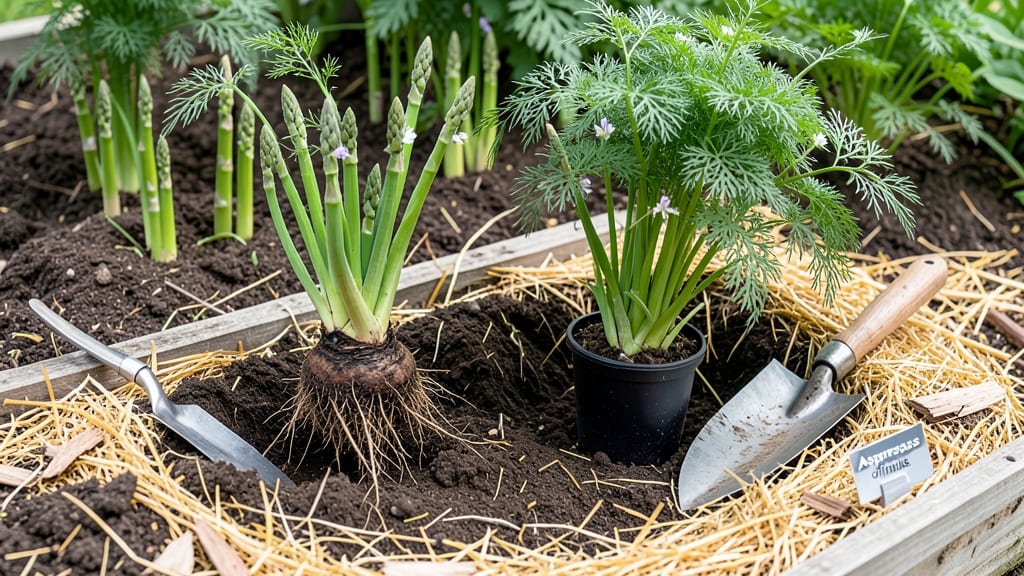
Knowing when to plant asparagus in Zone 8 can make or break your garden dreams—because this perennial veggie needs patience to pay off. Unlike annuals, asparagus crowns take 2-3 years to produce spears, so getting the timing right in your mild-winter climate is everything.
Zone 8 gardeners have a slight edge with its extended growing season, but even here, planting too early or late can stunt root development. The sweet spot?
Late winter to early spring (February-March) when soil warms to 50°F+, giving young plants time to establish before summer heat arrives.
I’ll break down the best strategies for your region—whether you’re planting crowns or seeds—and share pro tips to avoid common mistakes. With the right approach, you could be harvesting your first spears by April of year three, and enjoying fresh harvests for decades.
Let’s dive into the perfect planting window and soil prep techniques that’ll set your asparagus up for long-term success in Zone 8’s unique climate.
Ideal planting windows for asparagus in Zone 8: fall vs. spring
In Zone 8, where winters are mild and summers are hot, timing your asparagus planting is everything. Unlike cooler climates, you have two prime windows: early spring and late fall.
Each offers unique benefits, but both require careful attention to soil temperatures and frost risks. Let’s break down the best times to plant for maximum success.
Spring planting in Zone 8 typically starts in February to early March, once soil temperatures reach 50°F (10°C). This timing allows roots to establish before the heat of summer arrives.
Fall planting, however, is often underrated but can yield stronger roots if done correctly—aim for October to early November, giving plants time to root before winter dormancy.
Zone 8’s mild winters mean frost is less of a threat, but late frosts can still damage young plants. For spring, wait until after the last frost date (usually mid-February in most of Zone 8).
For fall, plant 6-8 weeks before the first frost (around November 15) to allow roots to settle before cold sets in.
Fall planting often gives asparagus a head start because cooler temperatures reduce stress on roots. In Zone 8, where summers are intense, this can mean healthier plants and earlier harvests. However, spring planting is more forgiving if you miss the fall window—just ensure soil isn’t waterlogged from winter rains.
For both seasons, soil temperature is critical. Use a soil thermometer to confirm it’s above 50°F (10°C) before planting. In Zone 8, this usually aligns with late February to March for spring and October to early November for fall.
Avoid planting when soil is too cold or too hot, as both can stunt root growth.
Pro tip: If you’re in a warmer microclimate within Zone 8 (like coastal areas), you might push spring planting to March or even April. Conversely, in inland areas with cooler nights, February planting may still carry frost risks. Always check your local last frost date for precision.
Once you’ve chosen your window, focus on soil preparation. Asparagus thrives in loose, well-draining soil with a pH of 6.5–7.5. Amend heavy clay soils with compost or sand to improve drainage—a must in Zone 8’s heat.
Next, we’ll dive into the step-by-step planting process to ensure your crowns take root like a pro.
Remember, patience is key with asparagus. Even with perfect timing, it takes 2–3 years to reach full production. But with the right start, you’ll enjoy decades of harvests—far longer than most garden vegetables! 🌱
Step-by-Step guide to planting asparagus crowns in Zone 8
Now that you’ve picked your planting window, let’s get your asparagus crowns into the ground the right way. In Zone 8, proper planting depth and spacing are critical to avoid crowding and disease.
Asparagus crowns (not seeds) are the best choice for Zone 8 gardeners—they establish faster and produce spears sooner. Here’s how to do it like a pro.
Start by digging a 6-inch-deep trench that’s 12–18 inches wide. This gives roots room to spread horizontally while keeping spears upright. Amend the soil with compost or aged manure to boost fertility, and mix in a balanced fertilizer (5-10-10) to encourage root growth.
Zone 8’s heavy clay soils often need this extra help to drain properly.
- 🌱 Step 1: Soak Crowns – Place 1-year-old crowns in water for 2–4 hours to hydrate roots before planting.
- 🪴 Step 2: Position Crowns – Space crowns 12–18 inches apart in the trench, with roots facing downward. Aim for 3–4 crowns per foot of trench length.
- 💧 Step 3: Cover Roots – Gently spread soil over roots until they’re 2 inches deep. Leave the crowns exposed—this prevents rot.
- 🌿 Step 4: Fill Trench – Gradually fill the trench with soil, leaving 4–6 inches of space above the crowns. This allows for future mulching.
- ✂️ Step 5: Mulch Heavily – Apply 4–6 inches of mulch (straw or wood chips) to retain moisture and suppress weeds. In Zone 8’s heat, this is non-negotiable!
One common mistake in Zone 8 is planting crowns too shallow—this exposes roots to summer heat and drought. Another pitfall? Overcrowding crowns to save space. Asparagus needs room to grow, and packed plants lead to smaller spears and higher disease risk.
Stick to the spacing guidelines, and your patch will thrive.
After planting, water deeply once a week for the first month to encourage root establishment. Avoid overhead watering, which can spread fungal diseases. In Zone 8’s intense summers, shallow watering stresses plants—always aim for 1–1.5 inches of water per week. A drip irrigation system works best here.
For the first year, do not harvest spears, no matter how tempting! Let the plants focus on building a strong root system. In Year 2, you can harvest 5–10 spears per plant, and by Year 3, you’ll enjoy a full harvest.
Zone 8’s long growing season means you can extend your harvest into June if you’re patient.
Pro tip: Mark your asparagus bed with stakes or flags to avoid accidentally digging up crowns when weeding. Asparagus roots can live for 20+ years, so treat this bed like a long-term investment.
With the right planting technique, your Zone 8 asparagus patch will reward you with decades of fresh spears—far longer than most garden crops! 🌿