
Plants
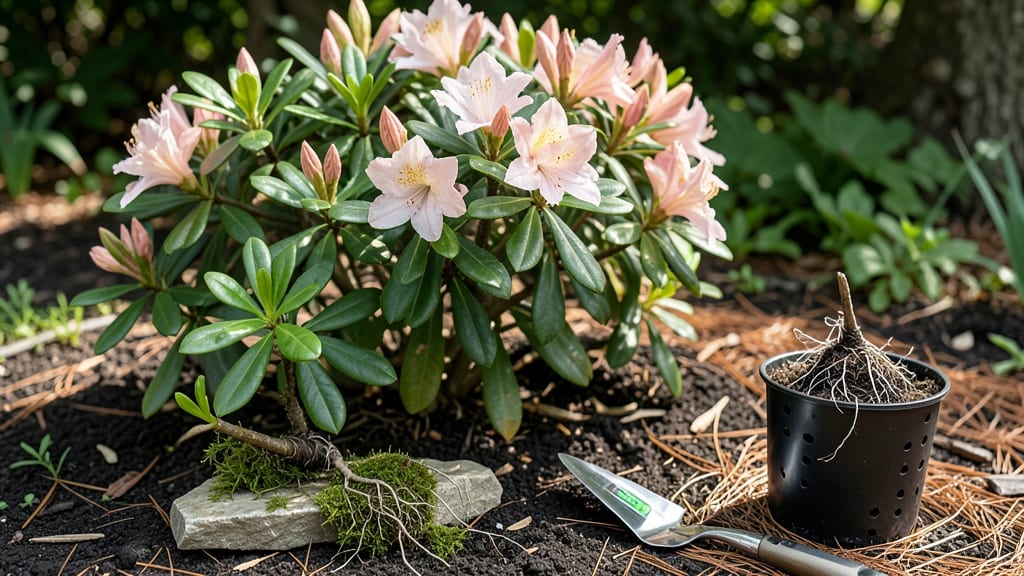
Knowing when to plant azaleas in Louisiana isn’t just about picking a season—it’s about matching your shrubs to the state’s unique chill-hour zones. With the right timing, you can transform your yard into a 🌸 explosion of spring color that lasts for years.
But get it wrong, and you’ll end up with stressed plants that struggle to bloom.
Louisiana’s humid subtropical climate means azaleas need careful planning. Plant too early, and they’ll face transplant shock from summer heat. Too late, and they won’t get enough winter chill to set buds for next year’s flowers.
The key lies in fall planting (October-November) or early spring (February-March), when temperatures are mild and roots can establish before extreme weather hits.
For USDA zones 8a-9b, where winters are short, choosing the right azalea variety makes all the difference. Some need just 300 chill hours, while others thrive with 1,000+.
I’ll show you how to pick the perfect match for your microclimate—so you’re not left with wilting blooms or bare branches.
Once you’ve nailed the timing, the real work begins: soil prep, watering, and mulching to keep roots happy. Let’s dive into the step-by-step guide that’ll have your azaleas flourishing like a pro’s garden—without the guesswork.
Louisiana’s best planting windows for azaleas by chill-hour zones
Louisiana’s climate presents a unique challenge for azalea growers. Unlike northern states, our warm winters and humid summers require precise timing to ensure your azaleas get the chill hours they need to bloom reliably.
Most Louisiana regions fall within USDA zones 8a-9b, where azaleas need between 300-1,000 chill hours to trigger dormancy and spring blooms.
The key is planting when the soil is cool but not frozen, allowing roots to establish before summer heat arrives. In Louisiana, this typically means fall (October-November) or early spring (February-March), with regional adjustments based on chill-hour requirements. Let’s break down the best windows for your specific area.
| Region | Chill Hours | Best Planting Window | Why It Works |
|---|---|---|---|
| North Louisiana (Zones 7b-8a) | 700-1,000 | October 15 - November 15 | Cooler temps reduce transplant shock; soil stays workable. |
| Central Louisiana (Zones 8a-8b) | 500-700 | October 1 - November 10 or February 15 - March 15 | Fall planting avoids summer heat; spring allows early root growth. |
| South Louisiana (Zones 8b-9a) | 300-500 | February 1 - March 15 (spring only) | Milder winters; fall planting risks heat stress before dormancy. |
For North Louisiana (e.g., Shreveport, Monroe), where chill hours exceed 700 hours, fall planting is ideal. The cooler temperatures help roots establish before winter, and the plants enter dormancy naturally. Aim to plant by November 15 to avoid early frost risks that can damage tender new growth.
In Central Louisiana (e.g., Baton Rouge, Lafayette), you have flexibility. Fall planting (October) works well for varieties needing 500+ chill hours, while early spring (February-March) suits those with lower chill requirements. This dual window reduces transplant shock risks during Louisiana’s unpredictable winters.
Southern Louisiana (e.g., New Orleans, Houma) is the trickiest. With 300-500 chill hours, fall planting often means heat stress before dormancy sets in. Instead, focus on February-March planting. Choose heat-tolerant varieties like 'Southern Indigo' or 'Oconee' to handle the humidity and occasional summer heat.
Transplant shock is a real risk in Louisiana’s heat. To minimize it, water deeply 2-3 days before and after planting, and apply a 2-3 inch layer of mulch to retain moisture. Avoid planting during peak summer months (June-August), as the heat accelerates moisture loss and stress.
Pro tip: If you’re in a microclimate (e.g., near a large body of water or in a urban heat island), adjust your planting window by 2-4 weeks. These areas can have 5-10°F temperature swings, affecting chill-hour accumulation.
Timing isn’t just about the calendar—it’s about soil temperature. Use a soil thermometer to ensure temps are between 60-70°F at planting. Cool soil prevents root burn and encourages faster establishment.
Once planted, monitor for signs of stress like yellowing leaves or wilting, which can indicate overwatering or poor drainage. Louisiana’s clay-heavy soils often need amendments like peat moss or pine bark to improve drainage and acidity.
With the right timing and care, your azaleas will reward you with vibrant spring blooms that outshine even Louisiana’s lush greenery. 🌸
Louisiana’s best planting windows for azaleas by chill-hour zones
Louisiana’s chill-hour zones (300-1,000 hours) determine the best time to plant azaleas. In North Louisiana (USDA 7b-8a), where winters are cooler, you’ll find 500-1,000 chill hours, while South Louisiana (USDA 8b-9a) typically sees just 300-500 chill hours.
This difference means your azalea choices—and planting timing—must adapt to avoid stressed plants or skipped blooms.
For reliable blooms, aim to plant azaleas during fall (October-November) or early spring (February-March). Fall planting gives roots time to establish before summer heat arrives, while spring planting (after last frost) ensures buds form for next year.
In South Louisiana’s warmer zones, avoid planting in late spring or summer, as the heat can shock young roots.
Here’s how to match your planting window to Louisiana’s chill-hour zones for maximum success:
| Zone | Chill Hours | Best Planting Months | Key Considerations |
|---|---|---|---|
| North Louisiana (7b-8a) | 500-1,000 | October-November or February-March | Cooler winters; can handle higher-chill varieties like 'Hershey’s Red'. |
| Central Louisiana (8a-8b) | 400-600 | October-November or February | Moderate chill; mix of Southern Indigo and 'George L. Taber'. |
| South Louisiana (8b-9a) | 300-500 | September-October or January-February | Warmest winters; stick to low-chill varieties like 'Southern Belle'. |
Transplant shock is a real risk in Louisiana’s heat, so water deeply after planting and mulch heavily (3-4 inches) to retain moisture. In North Louisiana, you can push fall planting into early December, but in South Louisiana, avoid planting after November to prevent summer stress.
Always check your local last frost date—planting too early in spring can expose roots to cold snaps.
For container-grown azaleas, timing is even more critical. Plant them in late fall or early spring to avoid root-bound stress. Containers dry out faster in Louisiana’s heat, so monitor soil moisture closely.
If you’re in Zone 9a, opt for evergreen azaleas like 'Southern Charm', which tolerate the mildest winters.
Pro tip: If you’re unsure about chill hours, ask your local nursery for Louisiana-grown azaleas. These are bred to thrive in our climate and often come pre-adapted to local chill-hour ranges.
With the right variety and timing, your azaleas will reward you with vibrant blooms for decades—no guesswork required.