
Plants
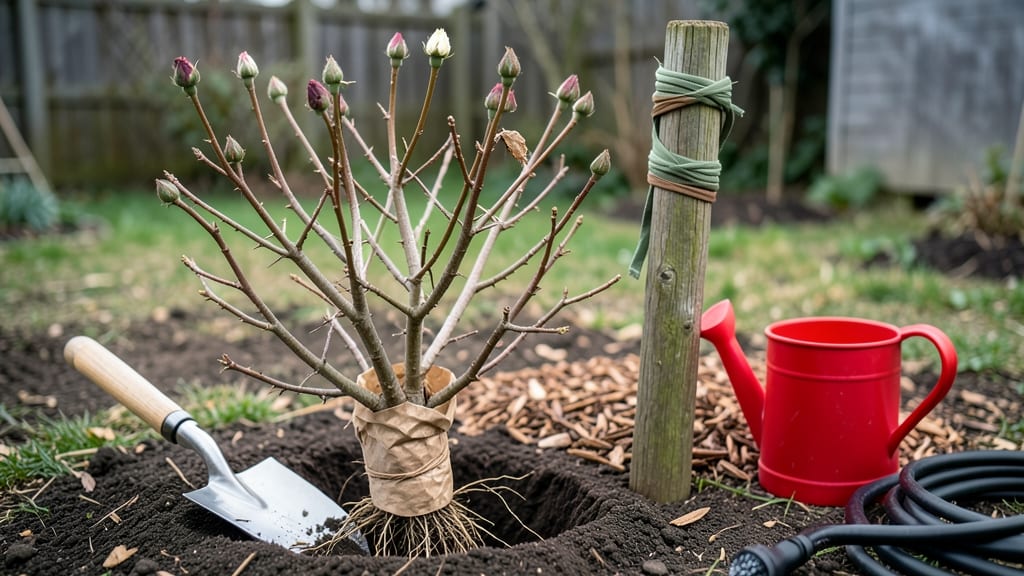
Planting bare root roses in Zone 9 at the wrong time can turn your dream garden into a struggle—especially when summer heat or winter dormancy throws off your timing. The key to thriving 🌹 blooms lies in understanding your microclimate, whether you're in coastal California or Arizona's desert.
I'll show you exactly when to plant for the best results, so you avoid common mistakes that waste time and money.
Most gardeners in Zone 9 assume late fall is the only option, but the truth is more nuanced. Your local climate plays a bigger role than you might think—cooler coastal areas have different needs than hot inland zones.
By focusing on soil temperature and seasonal cues, you can plant at the perfect moment for strong root establishment. Let’s break down the best windows and what to watch for.
You’ll learn how to spot when your soil is ready (hint: it’s not just about the calendar) and how to adjust for your specific area. Whether you’re a beginner or a seasoned gardener, these insights will help you skip the guesswork and get your roses off to a great start.
Ready to transform your garden?
From ideal planting months to post-care tips, I’ve got you covered. Let’s dive into the details so you can enjoy beautiful roses year after year without the stress.
Optimal planting windows for Zone 9 bare root roses by microclimate
Zone 9’s mild winters and hot summers create unique challenges for planting bare root roses. Unlike cooler zones, you’ll avoid frost damage but must watch for soil overheating in spring. The best planting window spans November through February, aligning with cooler temperatures and optimal soil moisture.
Within Zone 9, microclimates vary drastically. Coastal areas like San Diego stay cooler longer, while inland deserts like Phoenix heat up faster. Your local frost risk (even minimal) and soil temperature (ideal: 60–70°F) dictate the perfect moment to plant.
Here’s how to match your sub-zone to the ideal planting month for bare root roses, including soil prep cues:
| Microclimate | Best Planting Window | Soil Temp Cue | Key Consideration |
|---|---|---|---|
| Coastal (e.g., San Diego, LA) | November–January | 55–65°F | Cooler ocean breezes delay spring heat |
| Inland (e.g., Riverside, Tempe) | October–December | 60–70°F | Warmer days; plant early to avoid spring stress |
| Desert (e.g., Phoenix, Tucson) | November–February | 50–60°F | Extreme heat in March/April; delay until soil cools |
For coastal gardeners, aim for late November to January when morning fog rolls in, keeping soil temperatures stable. Inland areas can plant as early as late October, but monitor soil moisture—dry spells can stress newly planted roots.
In desert zones, February is your last chance before summer’s 100°F+ soil becomes lethal. Use shade cloth for the first 2 weeks to protect tender roots from intense afternoon sun.
Pro tip: Test soil readiness by pressing your finger 4 inches deep. If it feels cool and damp, it’s time to plant. If dry or warm, wait 1–2 weeks.
Even in Zone 9, avoid planting in March. Rising temperatures and drought stress can cause transplant shock, stunting growth for months. Your roses will thank you for patience and precise timing.
Once planted, mulch heavily (3–4 inches) to retain moisture and insulate roots. This is especially critical in desert microclimates where evaporation rates are high.
🌹
Optimal planting windows for Zone 9 bare root roses by microclimate
Zone 9’s diverse microclimates—from coastal California to Arizona’s deserts—create three distinct planting windows for bare root roses. Coastal areas like San Diego or Santa Barbara can plant as late as February, while inland valleys (e.g., Los Angeles Basin) should aim for November-December.
Desert regions like Phoenix or Tucson have the earliest window: October-November to escape summer’s brutal heat.
Your goal is to plant when soil temperatures hover between 60-70°F—the sweet spot for root establishment. In coastal zones, December-January offers cooler temps and lower humidity, reducing fungal risks. Inland areas benefit from November’s mild weather, while desert gardeners must act by mid-November before ground heats up again.
Here’s how to align your planting with your local microclimate for maximum success:
| Microclimate | Ideal Planting Months | Soil Temp Target | Key Cue |
|---|---|---|---|
| Coastal (e.g., San Diego) | December–February | 60–68°F | Morning fog dissipates by 10 AM |
| Inland Valley (e.g., LA) | November–January | 62–70°F | Nighttime temps drop below 55°F |
| Desert (e.g., Phoenix) | October–November | 65–70°F | Daytime highs below 85°F |
🌡️ Pro Tip: Use a soil thermometer for 3 days to confirm temps before planting.
Planting outside these windows risks heat stress (desert) or fungal diseases (coastal). For example, if you plant in March, your roses may struggle to establish roots before summer’s intensity. Conversely, October plantings in desert zones give roots time to settle before winter rains arrive.
Always check your local last frost date (even Zone 9 has rare cold snaps). In high-elevation areas like Palm Springs, a late-November frost can damage newly planted roses. Use a frost cloth if planting in late February for extra protection.
Timing isn’t just about months—it’s about seasonal cues. Watch for wilted weeds (sign of dry soil) or morning dew (ideal moisture). These natural indicators often align with your microclimate’s perfect planting window.