
Plants
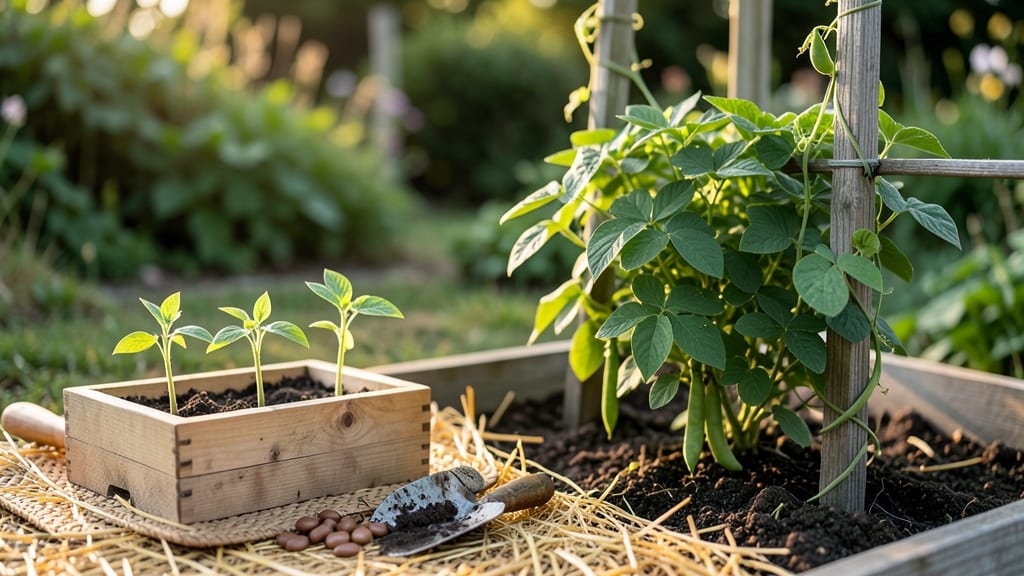
Timing your bean planting in Southern California can make the difference between a bountiful harvest and bitter, stringy pods—especially when coastal breezes and inland heat play such different roles.
With 🌱 beans thriving in zones 9b-11, the key isn’t just when you plant, but how you adapt to microclimates where Los Angeles’ fog can delay growth while desert areas demand faster action.
Most gardeners assume spring is the only window, but Southern California’s mild winters and long growing season actually give you two prime chances—early spring and late summer—to sow beans without bolting.
The trick? Waiting until soil hits 60°F+ in spring or 70°F+ in fall, or risk stunted plants or early flowering. Even a 5°F temperature swing can throw off your timing.
This isn’t just about dates—it’s about reading your local cues. Coastal areas like San Diego might start in February, while inland spots like Riverside wait until March to avoid heat stress.
And if you’re in an urban container garden? Shade cloth and succession planting every 2-3 weeks can stretch your harvest from May to November.
Ready to turn your bean patch from a gamble into a guarantee? Let’s break down the exact planting windows, soil secrets, and heat hacks that’ll keep your pods crisp and your plants productive—no matter where you garden in SoCal.
Southern California bean planting zones: coastal vs. desert timelines for zero-bolt growth
Southern California’s microclimates create wildly different growing conditions—coastal areas like Santa Barbara experience chilly, foggy springs, while inland desert zones like Palm Springs bake under summer heat. These extremes mean your bean planting window can shift by 6+ weeks depending on location.
To avoid bitter, stringy beans or wasted seeds, we’ll break down the optimal planting months for each zone, plus soil temperature thresholds and heat-tolerant varieties that thrive in your specific area.
Beans are warm-season crops, but they bolt (go to seed prematurely) when stressed by heat or cold. In Southern California, the best planting windows are February-April for spring harvests and August-October for fall yields.
However, coastal gardeners in San Diego or Malibu can start 2-3 weeks earlier than inland growers in Riverside or Lancaster. The key is planting when soil temps hit 60°F+ for spring or 70°F+ for fall, ensuring strong root development before summer’s intensity.
🌱 Visual Guide: Southern California Bean Planting Zones
For coastal gardeners, the foggy mornings of late January can delay soil warming, so wait until mid-February to plant. Use black plastic mulch to raise soil temps 5-10°F faster. Inland areas like San Bernardino can plant 2 weeks earlier because the sun heats the soil quicker.
Desert zones must plant after Memorial Day to avoid 100°F+ soil temps, which stunt germination.
Extend your growing season with shade cloth (30-50%) during summer’s peak heat. For fall plantings, aim to harvest before December’s cooler nights, which can stress plants.
In USDA Zone 11, where frost is rare, you can even plant Lima beans in July for a late-summer harvest, but use drip irrigation to prevent soil-borne diseases in the intense heat.
Pro tip: Test your soil’s pH (6.0-7.0) before planting—beans are sensitive to acidity. Coastal soils often need lime amendments, while desert soils may require organic matter to retain moisture. A simple soil test kit (available at garden centers) solves this in minutes.
If you’re in a fog-prone area like Monterey Bay, start seeds indoors in January and transplant after last coastal fog (usually mid-March). For urban containers, choose bush varieties like 'Blue Lake' and plant in 5-gallon pots with well-draining mix.
Containers dry out faster, so water daily in summer.
Remember: Succession planting every 2-3 weeks ensures a steady harvest. In Zone 10b+, you can even squeeze in 3 harvests per year—spring, summer, and fall—by rotating varieties and using shade cloth during heatwaves.
🌿
How to time bean plantings for maximum yield: avoiding bolting in Southern California’s heat
Southern California’s summer heat can turn your bean plants into premature bolters, sending them straight to flower and pod production before you get a single harvestable bean. The key to avoiding this is strategic timing—planting when soil temps are just right and using tricks to keep plants cool.
Most gardeners miss the 45-60 day window between when beans sprout and when they bolt, especially in inland areas where temps can spike to 95°F+.
Your first line of defense is succession planting every 2-3 weeks during the ideal windows: late February to April for spring and August to early September for fall. This ensures a steady supply of young plants that haven’t yet triggered their bolting response.
For example, if you plant 'Contender' beans in early March, you’ll have pods ready by May before the heat ramps up.
🌱 Numbered Highlights: Pro Tips to Prevent Bolting
- 1. Soil Temp Check: Wait until soil hits 60°F+ in spring or 70°F+ in fall—use a soil thermometer to avoid guesswork.
- 2. Shade Cloth: Use 30-50% shade cloth in peak summer (June-August) to drop temps by 10-15°F.
- 3. Nighttime Cooling: Install a mist system or lay reflective mulch to reduce daytime heat stress.
- 4. Variety Selection: Choose 'Scarlet Runner' for coastal areas (tolerates 50°F nights) or 'Lima Beans' for inland heat.
- 5. Watering Hacks: Deep-water early morning to keep roots cool; avoid wetting foliage to prevent fungal bolting.
Another common mistake is over-fertilizing with nitrogen, which can trigger rapid growth and bolting. Instead, use a balanced 5-10-10 fertilizer sparingly—just 1 tablespoon per plant when flowers appear.
For container gardens, opt for dwarf varieties like 'Blue Lake', which bolt 10-14 days later than standard types due to their compact growth habit.
If you’re gardening in urban areas with limited space, focus on bush beans like 'Blue Lake' or 'Kentucky Wonder,' which mature faster and bolt less aggressively than pole beans.
These varieties also play well with companion plants like borage or radishes, which shade the soil and retain moisture—critical in SoCal’s dry spells.
For pole beans, which take longer to mature, combine succession planting with trellising to keep plants off the hot ground. A 3-foot tall trellis can improve airflow and reduce bolting by 20-30%. Pair this with drip irrigation to deliver water directly to roots, avoiding the stress of surface evaporation.
Finally, keep an eye on your plants’ leaf color. Yellowing leaves or curled foliage signal heat stress—act fast by pruning lower leaves to improve airflow or providing afternoon shade with a temporary shade sail.
With these strategies, you’ll stretch your bean harvest from May to November, even in Southern California’s toughest microclimates. 🌿