
Plants
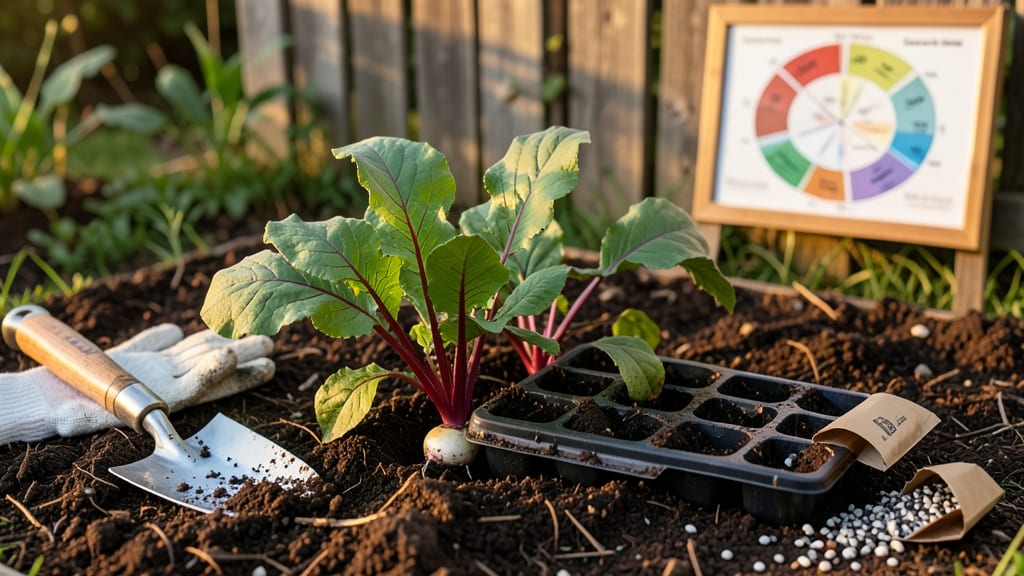
Timing your beet 🍠 planting in Kentucky isn’t just a guess—it’s a science that keeps your harvest sweet and your greens tender. Plant too early, and you risk bolting (those bitter, flowery stalks that ruin everything).
Too late, and your roots stay puny. The secret? Mastering soil warmth and microclimates to nail those March-April or July-August windows when Kentucky’s 6a-7b zones cooperate.
Most gardeners in Kentucky swear by early spring planting, but late summer offers a second chance for fall harvests. The key? Watching for soil temps between 45°F and 70°F—too cold, and seeds stall; too hot, and beets bolt faster than you can say “Detroit Dark Red.”
I’ll show you how to read your garden’s cues and adjust for Kentucky’s unpredictable frosts, so you’re planting at the perfect moment.
Why does this matter? Because nothing beats the satisfaction of pulling a perfectly round, ruby-red beet from your own soil—especially when you’ve outsmarted Kentucky’s climate.
Whether you’re a first-time gardener or a seasoned pro, these timing tricks will give you zero bolt risk and a harvest window that stretches from June to November. Let’s get your beets growing right.
Ready to dive in? I’ll walk you through the exact dates for your region, soil prep hacks, and even companion plants that keep pests away. No more guessing—just sweet, tender beets all season long.
Optimal Kentucky beet planting dates by soil temperature zones
Kentucky’s USDA zones 6a-7b create a unique challenge for beet growers. Unlike cooler northern states, our warm springs and variable microclimates demand precise timing to avoid bolting (when beets flower prematurely). The key? Planting when soil reaches 45°F-50°F for early varieties and 55°F-70°F for heat-tolerant types.
Northern Kentucky (e.g., Lexington, Louisville) typically sees last frost dates around April 15, while southern regions (e.g., Bowling Green, Paducah) can plant 2-3 weeks earlier. The Cumberland Plateau often needs a 10-day buffer due to cooler high elevations.
Timing is everything—plant too early, and you risk frost damage; too late, and beets bolt before harvest.
Here’s how to align your planting with Kentucky’s soil temperature zones and microclimates for foolproof success:
| Zone/Region | Ideal Planting Window | Soil Temp Threshold | Last Frost Date | Best Varieties |
|---|---|---|---|---|
| Northern KY (Lexington, Louisville) | March 15–April 10 | 45°F–50°F | April 15 | Detroit Dark Red, Ruby Queen |
| Central KY (Frankfort, Bowling Green) | March 1–April 5 | 50°F–55°F | April 1–10 | Golden, Chioggia |
| Southern KY (Paducah, Cumberland Plateau) | February 25–March 20 | 55°F–60°F | March 20–25 | Boltardy, Detroit Dark Red |
| Fall Planting (All Regions) | August 1–September 15 | 60°F–70°F | First Frost: Oct 10–15 | All varieties |
For early spring plantings, use a soil thermometer to confirm warmth—Kentucky’s chilly nights can delay soil heating. If soil temps hover below 45°F, opt for cold-hardy varieties like ‘Boltardy’ or cover seeds with straw mulch for insulation.
Pro tip: Plant Detroit Dark Red in raised beds to warm soil 2-3 days faster than in-ground plots.
In northern Kentucky, where frosts linger, start seeds indoors 4-6 weeks before your last frost date. Transplant seedlings when soil reaches 50°F and nights stay above 35°F. This two-step method gives you a 3-week head start on the growing season.
For southern Kentucky, direct-sow seeds as early as February 25 if soil is workable—just be ready to protect seedlings with frost cloth if late frosts hit.
Fall plantings in Kentucky offer a second harvest window with fewer pests. Aim for August 1–September 15 to ensure beets mature before first frost (mid-October). Soil should stay above 60°F for 6+ weeks post-planting. Use shade cloth (30%) in July to prevent bolting if temps exceed 85°F.
Local microclimates matter—even within 10 miles, planting dates can shift by 1-2 weeks. For example, Louisville’s urban heat islands may allow 1-week earlier plantings than rural Clark County. Observe your garden’s sun exposure and wind patterns—south-facing beds warm 5°F warmer
How to avoid beet bolting: Kentucky-specific timing hacks
Beet bolting—the dreaded transition from sweet roots to bitter, flowery stalks—is the #1 reason Kentucky gardeners give up on beets. But here’s the good news: with the right timing hacks, you can extend your harvest window by 30–45 days.
The key? Understanding how Kentucky’s late frosts (April 15–May 10) and summer heat trigger bolting, then outsmarting them with cold-hardy varieties and shade strategies.
Most gardeners focus on spring planting (March–April), but bolting risk spikes when soil temps hit 70°F+. That’s why I swear by succession planting—staggering seeds every 2–3 weeks from March through May.
This ensures a steady supply of young beets that never get a chance to bolt before you harvest. For example, plant your first batch in early March, then follow up with seeds in mid-March, late March, and early April.
Here’s my Kentucky bolting prevention