
Plants
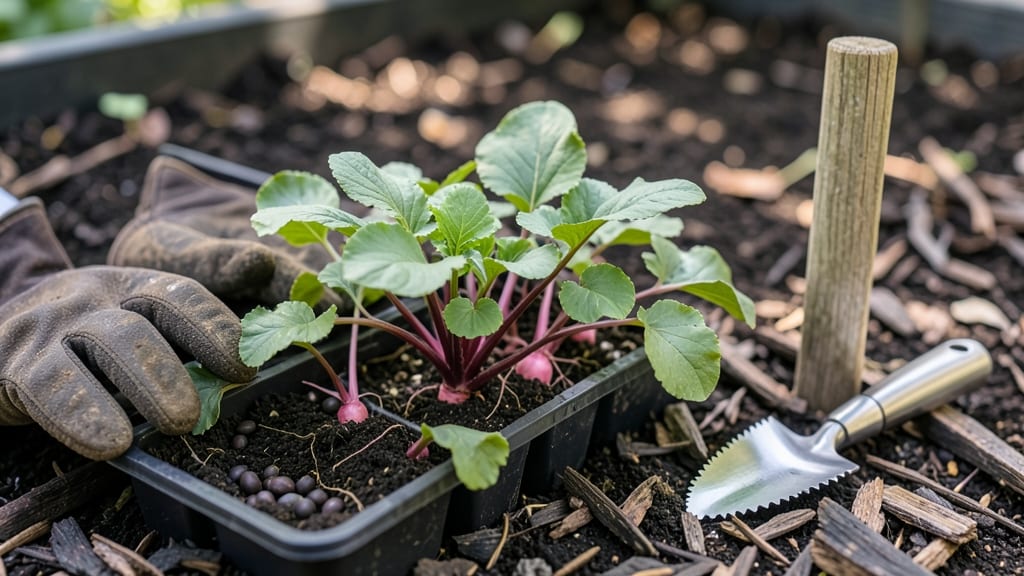
If you’ve ever planted beets in Oregon only to watch them bolt into bitter greens or wilt from late frosts, you’re not alone.
The perfect timing for beet planting here isn’t just about the calendar—it’s about reading your microclimate, whether you’re in the Willamette Valley, the coastal fog belt, or the high desert.
Miss the window, and you’ll either lose your crop to frost or see your beets rush to seed before you can harvest that sweet, tender 🍠.
Here’s the secret: Oregon’s diverse frost dates mean your neighbors might be harvesting while you’re still waiting for soil to warm. In Portland, you’ve got until March 15 to plant for spring harvests, but in Medford, that cutoff shifts to March 1.
Then there’s the late-summer trick—planting again in August can stretch your harvest into November, if you time it right.
I’ll walk you through the exact frost-date cheat sheet for your region, plus how to stretch your beet season with succession planting. No more guessing whether your soil’s ready or if those seedlings will survive the next cold snap.
Let’s get those beets in the ground at the perfect moment—so you’re the one bringing home the harvest while others are still waiting.
Ready to skip the trial-and-error? You’ll also learn how to spot the signs of bolting before it’s too late, which varieties thrive in Oregon’s heat, and even how to prep your soil for zero-bolt harvests. Your future self (and your dinner table) will thank you.
Oregon beet planting calendar: frost dates by region (Willamette Valley vs. coastal vs. high desert)
Oregon’s diverse microclimates mean your beet planting window can vary by hundreds of miles. The Willamette Valley enjoys mild winters, while the coastal areas stay cooler longer, and the High Desert faces early spring warmth.
Understanding these differences is key to avoiding bolting (when beets go to seed prematurely) and frost damage.
Use Oregon State University Extension’s frost date maps as your guide. For most gardeners, the last spring frost typically falls between March 1 (Medford) and March 15 (Portland).
The first fall frost arrives as early as October 30 (Medford) or as late as November 15 (Portland), leaving a 180-day growing season in between.
Pro Tip: Coastal areas like Astoria can plant 2-3 weeks earlier than inland zones, while Bend may need to wait until April 15 for safe planting. Always check your USDA Zone (7b-9a) for precision.
| Region | Last Frost Date | First Planting Window | Second Planting Window | Harvest Window |
|---|---|---|---|---|
| Willamette Valley (Portland) | March 15 | March 15 - April 15 | August 1 - September 1 | June 1 - July 15, Oct 15 - Nov 1 |
| Coastal (Astoria) | March 1 | March 1 - April 10 | July 15 - August 15 | May 15 - June 30, Sept 15 - Oct 30 |
| High Desert (Bend) | April 15 | April 15 - May 1 | July 1 - August 1 | July 1 - Aug 15, Sept 15 - Oct 10 |
| Southern Oregon (Medford) | March 1 | March 1 - April 1 | August 15 - Sept 1 | May 15 - June 30, Sept 15 - Oct 30 |
For spring planting, aim to sow seeds 4-6 weeks before your last frost date. In the Willamette Valley, that’s mid-February to early March. Use row covers if nighttime temps dip below 40°F to protect tender seedlings.
Beets thrive in cool weather (50-75°F), so late summer/fall plantings work best in August-September. Choose heat-tolerant varieties like ‘Detroit Dark Red’ or ‘Golden’ for these later windows. Avoid planting after September 1 in most regions, as bolting risk skyrockets.
Extend your harvest by succession planting every 2 weeks in spring and 3 weeks in fall. This ensures a continuous supply of fresh beets without overwhelming your garden at once. Pair with leafy greens like spinach for a low-maintenance polyculture.
Soil temperature matters too! Beets won’t germinate well below 45°F. Use a soil thermometer to confirm readiness. In cooler zones, opt for ‘Early Wonder’ varieties, which mature in just 50 days.
Remember: Oregon’s maritime influence keeps coastal areas 5-10°F cooler than inland spots. Adjust your planting dates accordingly—coastal gardeners can start earlier and harvest longer into fall.
How to stretch your beet season: succession planting for non-stop harvests in Oregon
Oregon’s short growing season doesn’t have to mean a short beet harvest. With succession planting, you can enjoy fresh, tender beets from spring through fall—even in Portland’s mild climate or the high desert’s heat. The trick?
Planting in two waves: early spring for summer harvests and late summer for fall production. This method ensures your soil stays productive and your table stays stocked, without the risk of bolting or frost damage.
Start with early spring plantings in February or March, depending on your frost date. For coastal areas like Astoria, you can push it to late January if the soil isn’t frozen. Use cold-hardy varieties like ‘Detroit Dark Red’ or ‘Golden’—they tolerate light frosts and grow steadily as temperatures rise.
In the Willamette Valley, aim for March 15 to avoid late frosts that can stunt young seedlings.
Here’s how to maximize your harvest with succession planting:
Test your soil’s pH (6.0-7.0 is ideal for beets). Amend with compost or aged manure to improve drainage—beets hate soggy roots. Work in a 1-inch layer of compost before planting to give seedlings a nutrient boost.
Sow seeds every 2-3 weeks from March to May for a continuous supply. For fall harvests, start late July to early August—this gives beets time to mature before the first frost. Use shade cloth in high-desert areas to protect seedlings from intense summer sun.
For heat tolerance, pick ‘Chioggia’ or ‘Boltardy’—they handle Oregon’s summer heat better than standard types. In cooler areas, ‘Detroit Dark Red’ is a reliable choice. Baby beets (harvested at 1-2 inches) mature faster, giving you more flexibility for late plantings.
Keep soil consistently moist but not waterlogged. Use drip irrigation to deliver water at the roots, reducing evaporation. In summer, water deeply in the morning to prevent bolting caused by stress.
Thin seedlings to 3-4 inches apart when they’re 2 inches tall—this reduces competition and prevents stunted growth. Harvest outer leaves first to prolong the plant’s life, or pull entire beets when roots reach 1-3 inches in diameter.
Don’t let Oregon’s variable climate limit your beet harvests. By planting in two waves and choosing the right varieties, you can enjoy fresh beets for 6-8 months of the year.
The key is staying ahead of the weather—whether that means protecting seedlings from late frosts or shading them from summer heat. With this approach, you’ll have beets on the table when others are scrambling to find fresh produce.
Pro tip: Save seeds from your best beets to plant next year! Store them in a cool, dry place and they’ll stay viable for 3-4 years. Happy planting—your future salads will thank you! 🥗