
Plants
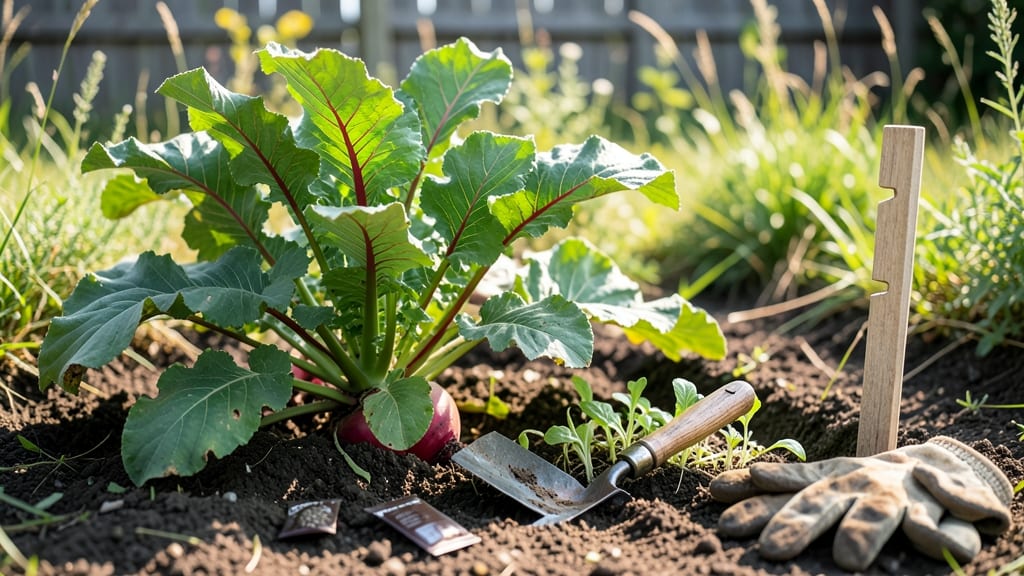
If you’ve ever planted beets 🍠 in South Carolina only to watch them bolt into bitter greens by summer, you’re not alone—timing is the game-changer here. The key to sweet, tender roots lies in understanding your USDA 7b-9a zone’s frost-free deadlines and heat tolerance.
Spring planting between February and March gives you a head start before the heat arrives, while fall’s August-September window lets you harvest into October. But here’s the catch: skipping these windows means risking beets that turn woody or flower too soon.
I’ll break down the exact frost dates, heat-resistant varieties, and soil tricks to keep your beets thriving—no guesswork, just proven SC-specific strategies. Let’s get those roots growing right.
From early spring starts to fall succession planting, you’ll learn how to stretch your harvest season and avoid the most common mistakes. Ready to grow beets that actually taste good?
South Carolina beet planting calendar: frost dates & heat-tolerant varieties
Timing your beet planting in South Carolina hinges on understanding the state’s microclimates and last frost dates. The Upstate (USDA Zone 7b) typically sees its final frost around mid-March, while the Coastal Lowcountry (Zone 8a) can plant as early as late February.
These differences mean your spring planting window should align with your specific region to avoid frost damage or premature bolting.
For summer planting, focus on heat-tolerant varieties like 'Detroit Dark Red' or 'Chioggia', which handle South Carolina’s humidity and 90°F+ temperatures better than standard types. These varieties thrive when planted in late summer (August), giving them time to mature before fall frosts hit in mid-November.
The key is avoiding soil temperatures above 80°F, which triggers bolting.
| Planting Window | Last Frost Date (Avg.) | Heat-Tolerant Varieties | Key Growing Tips |
|---|---|---|---|
| Early Spring (Feb-March) | Mid-March (Upstate) Late February (Coastal) |
'Babybeat' 'Early Wonder' |
Use row covers for cold protection; plant 1/2 inch deep. |
| Late Summer (August) | N/A (Post-frost) | 'Detroit Dark Red' 'Chioggia' |
Plant in partial shade; mulch to retain moisture. |
| Fall (September-October) | Mid-November (First Frost) | 'Golden' 'Lutz Winter Keeper' |
Harvest before hard frosts; store in cool, dark conditions. |
In the Upstate, where nights can still dip below freezing in March, I recommend starting seeds indoors in late January for an early transplant. Coastal gardeners, however, can sow directly into well-drained beds as soon as soil temperatures hit 50°F.
Always test your soil’s pH (6.0-7.0) and amend with compost to improve drainage—beets hate soggy roots.
For summer planting, the Coastal Plain’s humidity demands extra care. I’ve found that raised beds with 50% shade cloth extend the harvest window by 3-4 weeks by keeping soil temps below 80°F.
Pair this with drip irrigation to avoid fungal issues from overhead watering. Succession planting every 2-3 weeks ensures a steady supply through October.
Don’t overlook fall varieties like 'Lutz Winter Keeper', which stores well in cool cellars for winter use. These can be planted as late as early October in most of South Carolina, with harvests continuing until first hard frosts.
For Upstate gardeners, aim to finish planting by September 15th to avoid early November frosts.
Pro tip: Use a soil thermometer to monitor temps—beets thrive when soil stays between 60-75°F. If your garden soil runs hotter, try container growing with black plastic mulch to regulate temperatures. This method works wonders in full-sun patches where shade isn’t an option.
Remember, South Carolina’s climate is unpredictable. Always check the National Weather Service for 10-day forecasts before planting. A late frost in April can wipe out young seedlings, while unseasonable heat in May might trigger bolting. Stay flexible and adjust your planting schedule as needed.
With the right timing and varieties, you’ll enjoy sweet, tender beets from spring through fall—no bitter aftertaste in sight! 🌱
South Carolina beet planting calendar: frost dates & heat-tolerant varieties
South Carolina’s USDA 7b-9a zones give you two prime windows to plant beets 🍠: early spring and late summer. The Upstate (Zone 7b) has a slightly earlier last frost (mid-March), while the Coastal Lowcountry (Zone 8a) can plant until late March.
Missing these deadlines means risking bolting—when beets flower prematurely and turn bitter.
For spring planting, aim for February through early March to harvest by June before summer heat sets in. If you’re in the Pee Dee region, push planting to mid-March to avoid early heat stress.
Fall planting starts in late August for a October-November harvest before the first frost hits.
| Planting Window | Last Frost Date (Avg.) | Heat-Tolerant Varieties | Key Growing Tips |
|---|---|---|---|
| Early Spring (Feb-Mar) | Mid-March (Upstate) / Late March (Coastal) | 'Detroit Dark Red', 'Golden' | Use row covers for frost protection. |
| Late Summer (Aug-Sept) | Mid-November (First Frost) | 'Chioggia', 'Babybeat' | Plant in partial shade to avoid bolting. |
| Succession Planting | Every 2-3 weeks | 'Boltardy' | Harvest young for tender greens. |
Heat-tolerant varieties like 'Detroit Dark Red' and 'Chioggia' are my go-tos for SC’s summers. These types handle soil temps up to 80°F without bolting, while 'Babybeat' matures in just 45 days, perfect for quick harvests.
For fall, 'Boltardy' is a bolt-resistant hybrid that thrives even when soil temps creep toward 85°F.
Soil temperature is critical—use a soil thermometer to confirm it’s below 70°F before planting. In the Piedmont region, morning fog can delay warming, so don’t rush spring plantings. Coastal areas warm faster, so plan August sowings to finish before October’s first frost.
Pro tip: Mulch with straw to keep soil cool and retain moisture. This extends your planting window by 1-2 weeks in both spring and fall. I’ve seen beets planted in early April in the Upstate thrive with this trick—just monitor for pests like leaf miners that love stressed plants.
For container growing, opt for bush varieties like 'Little Ball' and plant in 5-gallon pots with well-draining mix. These stay compact and avoid the heat stress of larger roots. Just remember: water consistently—containers dry out faster in SC’s humid summers.