
Plants
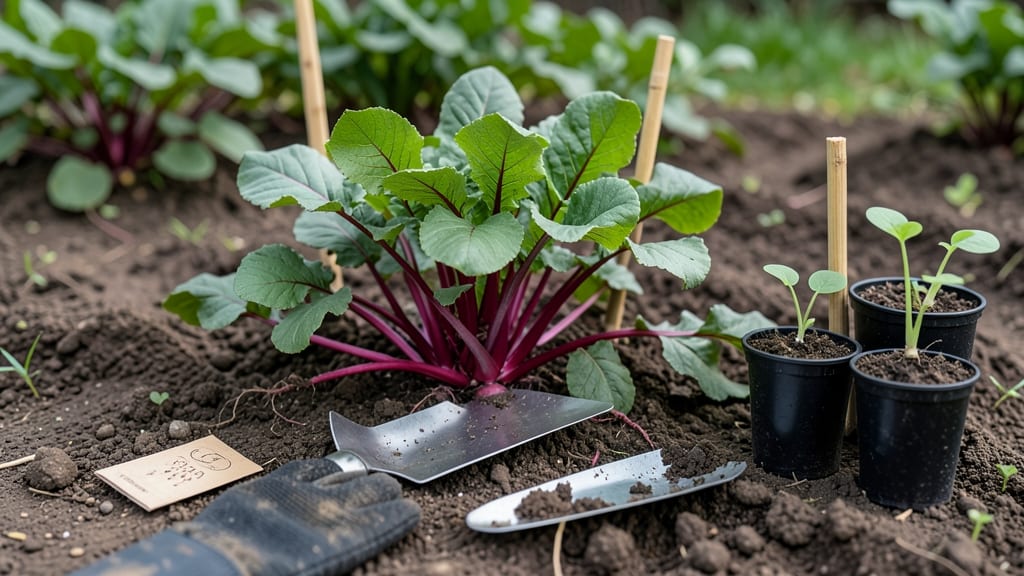
Timing your fall beet planting just right could mean the difference between sweet, tender roots and bitter, bolted greens. The key lies in that 6-week window before your first frost—when soil stays warm enough for germination but nights grow crisp enough to sweeten the roots naturally.
If you're in USDA Zone 6a like me, that means getting seeds in the ground by early October. But don't panic if you're in a warmer zone—adjusting for your local frost date is simpler than you think.
I'll walk you through exactly how to calculate your perfect planting window, plus soil prep tricks that prevent those dreaded woody roots.
Here's the best part: fall beets often develop deeper flavor and brighter colors than their spring siblings. The secret? A little chill in the air triggers natural sugars to concentrate.
We'll cover how to protect your crop from early frosts without sacrificing that sweetness, and when to harvest for peak quality.
Ready to grow beets that taste like they came from a farmers' market? Let's dive into the exact schedule, tools, and troubleshooting tips that'll have you harvesting 🍠 until the first hard freeze—without any surprises along the way.
Fall beet planting timeline: 6 weeks before first frost for maximum sweetness
Timing your fall beet planting is the secret to harvesting sweet, tender roots instead of bitter or woody ones. The 6-week rule before your first frost is your golden window—plant too early, and beets bolt; too late, and frost damages them before maturity.
Let’s break down the exact schedule to grow perfect fall beets in your climate.
For most U.S. gardeners in USDA Zones 5-8, this means starting seeds in late July to early August. In cooler zones (3-4), aim for mid-August to early September, while warmer zones (9-10) can extend planting until mid-September.
The key is ensuring beets mature 45-60 days before hard frost hits.
Soil temperature is critical—beets thrive when soil is between 50°F and 85°F. Use a soil thermometer to confirm your garden bed is warm enough before planting. If your soil cools too quickly, consider black plastic mulch to retain heat and extend the growing season.
Here’s your fall beet planting timeline based on a 60-day maturity (adjust for faster varieties like 'Babybeat' or slower ones like 'Detroit Dark Red'):
| Stage | Action | Timeframe (Before Frost) |
|---|---|---|
| Soil Prep | Test pH (6.0-7.0), add compost, loosen soil 12" deep | 8 weeks |
| Seed Sowing | Plant seeds ½" deep, 1-2" apart, thin to 3-4" | 6 weeks |
| Thinning | Remove weak seedlings, leaving strongest 3-4" apart | 4 weeks |
| Fertilizing | Apply balanced 5-10-10 fertilizer at 1 tbsp/10 sq ft | 5 weeks |
| Harvest | Pull roots when 1-3" diameter, before hard frost | 0 weeks (harvest day!) |
Spacing is often overlooked but critical—crowded beets develop small, misshapen roots. Aim for 3-4 inches between plants in rows spaced 12-18 inches apart. This gives roots room to swell without competing for nutrients.
For succession planting, sow new seeds every 2 weeks until 6 weeks before frost to ensure a continuous harvest.
Watering shifts in fall—beets need consistent moisture but hate soggy soil. Water deeply every 3-5 days in early fall, then reduce to every 5-7 days as temperatures drop. Always water in the morning to prevent fungal diseases like leaf spot, which thrives in damp foliage at night.
Watch for bolting, where beets send up flower stalks prematurely. This happens when days get too short or temps swing wildly. To prevent it, choose long-day varieties like 'Golden' or 'Chioggia', and use row covers if nights dip below 50°F.
Mulch with straw or leaves to stabilize soil temps and retain moisture.
Harvest beets when roots reach 1-3 inches in diameter—smaller ones are tender, while larger ones get woody. Use a fork to loosen soil around the root, then gently pull.
Leave 1 inch of stem attached to prevent bleeding. Store in the fridge for up to 2 weeks, or preserve by pickling or roasting for long-term enjoyment.
🌱
Fall beet planting timeline: 6 weeks before first frost for maximum sweetness
Timing your fall beet planting is all about balancing soil warmth and frost avoidance. Beets need 45-60 days to mature, so aim to plant 6 weeks before your first frost date.
In USDA Zone 6a (like my garden), that means mid-August planting for a late October harvest. Cooler zones? Adjust earlier—Zone 3 gardeners should start by late July!
Start by checking your average first frost date (find yours via the USDA Plant Hardiness Zone Map). Count backward 6 weeks—this is your last planting window.
For example, if frost hits October 15th, plant by September 1st. Pro tip: Use fast-maturing varieties like 'Detroit Dark Red' (50 days) for later starts.
| Stage | Action | Timeframe |
|---|---|---|
| Soil Prep | Loosen soil, add compost, test pH (6.0-7.0) | 4-6 weeks before planting |
| Seed Sowing | Plant ½" deep, 1-2" apart, in full sun | 6 weeks before frost |
| Thinning | Thin to 3-4" apart when seedlings are 2" tall | 2-3 weeks after sowing |
| Harvest | Pull roots when 1-3" diameter (before hard frost) | 45-60 days after planting |
Pay close attention to soil temperature—beets germinate best in soil above 45°F (7°C). Use a soil thermometer to confirm warmth before planting. If your soil cools below this, delay planting or use a black plastic mulch to warm it faster.
I’ve seen seeds fail to sprout when planted in 50°F (10°C) soil, even with perfect timing!
For bolting prevention, avoid planting too early. Beets left in warm soil too long will send up flower stalks before maturing. If you’re in a hot climate (Zone 8+), opt for shade cloth during peak afternoon sun.
Varieties like 'Golden' or 'Chioggia' handle heat better than 'Detroit' types.
Water consistently to keep soil moist but not soggy. In fall, reduce watering 2 weeks before frost to toughen roots. This prevents woodiness and improves storage life if you harvest early. I’ve had beets last 2 weeks in the fridge when stored properly—just wrap roots in a damp towel!
Protect late-season beets with row covers if frost threatens before harvest. Even a light frost (28°F/-2°C) can damage leaves, but roots often survive. For extra insurance, use straw mulch around plants to insulate soil. My Zone 5 garden extends harvests by 2-3 weeks this way!