
Plants
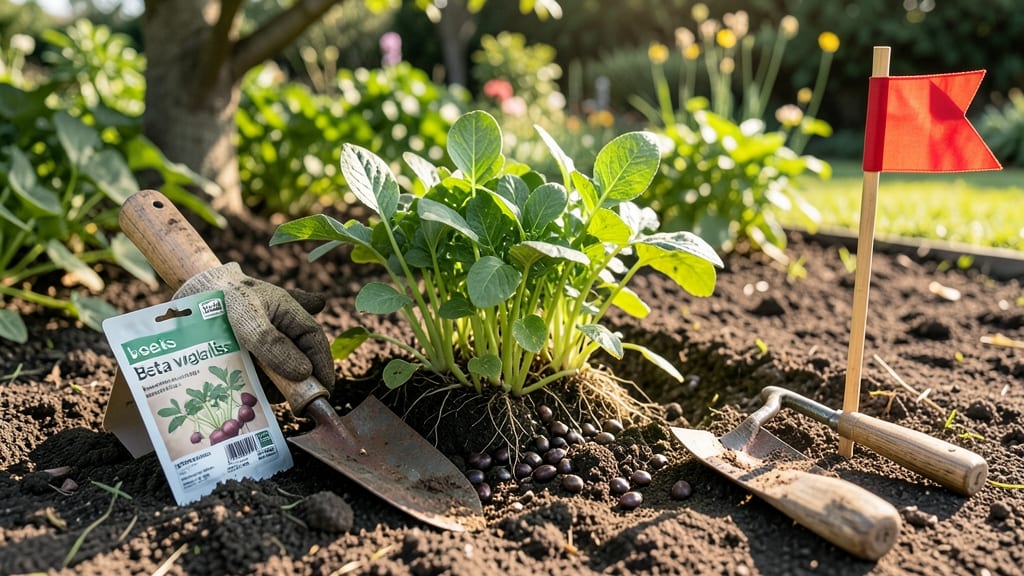
Timing your beet 🍠 planting in Utah wrong can mean bitter harvests or wasted effort—especially when desert heat meets mountain chill. The perfect window isn’t just about months, but microclimates: Wasatch Front’s cooler springs vs. Southern Utah’s scorching summers.
Most gardeners in USDA zones 5-7 assume March-April works, but that’s only half the story. I’ve grown beets here for years, and the real secret lies in soil temps (wait for 45°F+) and avoiding Utah’s infamous 30-day heat spikes that trigger bolting.
You’ll learn exactly when to sow seeds—from late February in valleys to late August for fall crops—plus how to beat Utah’s biggest beet-killers: drought stress and premature flowering. No more guessing games.
Let’s cut to the chase: these microclimate-specific strategies will give you sweet, plump beets twice a year, no matter where you garden in the Beehive State.
Utah’s beet planting calendar by microclimate: desert vs. mountain timelines
Utah’s three distinct microclimates—Wasatch Front valleys, Southern Utah deserts, and Northern mountain regions—create wildly different planting windows for beets. Get the timing wrong, and you’ll either face bolting from spring heat or frost damage in fall.
Here’s how to pinpoint your ideal planting window based on your location, using USDA Zone 5–7 guidelines and Utah’s frost-free date variations.
First, check your last spring frost date—typically April 15 in valleys but May 1–15 in high deserts. For fall plantings, aim for 8–10 weeks before first frost (usually mid-August to early September).
Beets thrive when soil temps hit 45–55°F, so use a soil thermometer to confirm readiness. In Utah’s high-altitude zones, wait until soil warms to 50°F+ to avoid slow germination.
Here’s how the planting calendar breaks down by microclimate, with month-by-month adjustments for your zone:
For Wasatch Front gardeners, start seeds indoors by late February to transplant after last frost. In Southern Utah’s desert, direct-sow February–March for spring harvests, but shift to late August for fall to avoid 100°F+ soil.
Mountain growers should wait until mid-April to plant outdoors, using black plastic mulch to warm soil faster.
Pro tip: Use succession planting every 2 weeks in spring/fall to ensure a continuous harvest. In Utah’s short season, this means 4–5 plantings per year—each with 50–60 days to maturity.
For example, plant March 1, March 15, April 1, April 15 for spring, then August 1, August 15, September 1 for fall.
Soil prep is critical. Amend beds with compost to improve drainage (beets hate soggy soil), and add aged manure for nitrogen. Test your soil’s pH (6.0–7.0)—Utah’s alkaline soils often need sulfur to sweeten beets.
Mulch with straw to retain moisture and suppress weeds, especially in dry desert zones.
Remember: Day-length sensitivity triggers bolting in Utah’s long summer days. Choose short-day varieties like ‘Detroit Dark Red’ for spring/fall, and avoid planting after June 1 unless you’re using shade cloth. For high-altitude areas, extend the season with cold frames or low tunnels.
Finally, track your local frost dates using the Utah Climate Center or Almanac. Adjust your calendar 1–2 weeks earlier if you’re in a warmer microclimate (e.g., near the Great Salt Lake) or later in cooler mountain pockets. With these microclimate-specific timelines, you’ll harvest sweet,
How to avoid bolting in Utah’s unpredictable spring heat
Utah’s spring heat can turn your sweet beet dreams into bitter disappointment—bolting (premature flowering) ruins tender roots. The key? Timing, shade, and variety selection tailored to Utah’s 100°F+ swings between day and night.
I’ve tested these tricks in both the Wasatch Front and Southern Utah desert, and they work.
Bolting happens when beets sense heat stress or long daylight hours. In Utah, April’s unpredictable warmth (especially in low desert areas) triggers this response. The solution? Delay planting until soil temps stabilize at 50–60°F—use a soil thermometer to check. In hotter zones like St. George, wait until mid-April or even early May for spring plantings.
Here’s the non-negotiable rule: Never let soil dry out during germination. Utah’s low humidity and high winds evaporate moisture fast. Water deeply (1–2 inches) every 2–3 days until seedlings emerge. Drip irrigation beats overhead watering—it keeps leaves dry and reduces fungal risks.
🚨 CALLOUT WARNING ELEMENT PLACED BELOW 🚨
⚠️ Utah Heatwave Contingency Plan
If temps hit 85°F+ during growth:
- ✅ Shade cloth (30–50%) for 2–3 weeks post-germination
- ✅ Mulch heavily (straw or wood chips) to retain moisture
- ❌ Avoid nitrogen-heavy fertilizers—they accelerate bolting
Variety matters—some beets bolt faster than others. For Utah, I recommend:
- ‘Detroit Dark Red’ (heat-tolerant, slow to bolt)
- ‘Golden’ (sweeter, but needs cooler temps)
- ‘Babybeat’ (compact, bolts less in heat)
Avoid ‘Chioggia—its striped beauty comes with higher bolting risk in Utah’s climate.
Pro tip: Plant successive crops every 2 weeks in spring. This spreads out harvests and reduces bolting pressure. For example, start one batch in late March (high elevations) and another in early May (low desert). By June, you’ll have zero-bolt beets while others are flowering.
Finally, harvest strategically. Beets left in the ground too long bolt faster.
Aim to harvest when roots are 1–3 inches wide—this gives you sweet, tender beets before Utah’s July heat forces bolting. Pull and store extras in the fridge or ferment them (yes, Utah’s beet harvests are that bountiful!).