
Plants
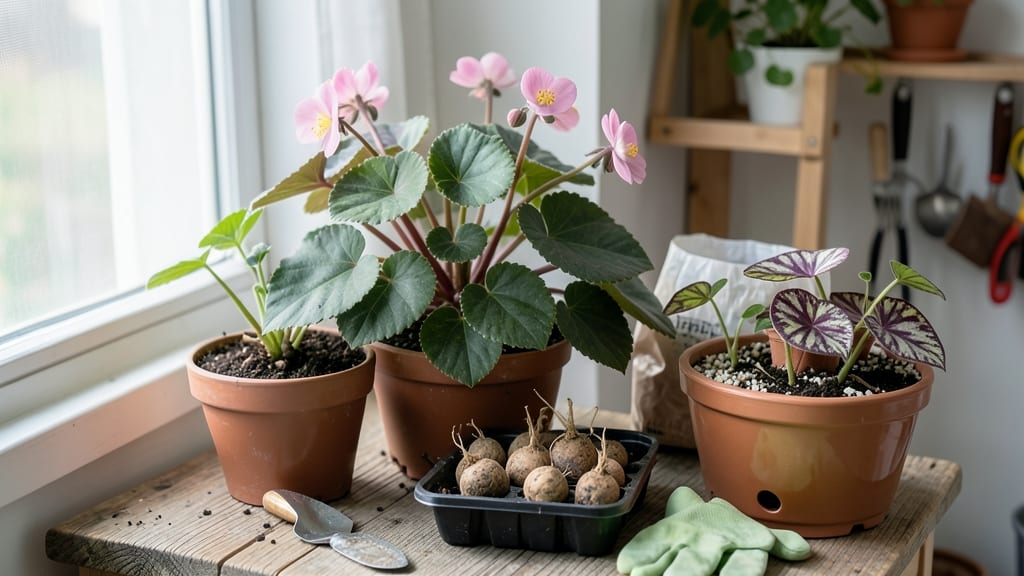
Timing your begonia planting in pots can make the difference between vibrant 🌸 blooms all season and struggling plants that barely survive. In USDA Zone 6a, where I live, getting this right means waiting until after the last frost—typically around mid-April—when soil temperatures hit at least 60°F.
Why does this matter so much? Begonias are tropical divas—they hate cold snaps and soggy soil, yet too much heat too soon can stress them out. I’ve seen beginners rush planting only to watch their 🌸 begonias wilt from frost damage or heat shock.
The key is patience: plant too early, and you risk stunted growth; too late, and you miss peak blooming season.
Here’s what you’ll discover: the exact month-by-month planting window for your zone, how to adjust for warm vs. cool climates, and simple tricks to keep your potted begonias thriving year-round. No more guesswork—just lush, long-lasting blooms with minimal effort.
Whether you’re a beginner or a seasoned gardener, these insights will help you avoid common mistakes and create a thriving container garden that turns heads. Let’s get those begonias planted the right way!
Best planting times for begonias in pots by USDA hardiness Zones
Planting begonias in pots at the right time ensures vibrant blooms and healthy foliage. Since begonias are frost-sensitive, timing depends on your USDA hardiness zone and last frost dates. In Zones 3-5, wait until mid-May when soil warms to 60°F+.
Warmer zones like Zones 6-11 can plant as early as March-April, but avoid late spring heat stress.
Tuberous begonias (like Begonia x tuberhybrida) need extra warmth, while fibrous-rooted types (like Begonia semperflorens) tolerate cooler temps. Container gardening lets you adjust timing—move pots indoors before frost if needed. Always check your local last frost date for precise scheduling.
For year-round blooms, stagger plantings: start with early spring varieties, then add summer and fall types. This creates a continuous display of colorful flowers from May through October in most regions.
In Zones 3-5, I recommend starting seeds indoors in March for earlier blooms. Use grow lights to simulate spring conditions until transplanting. For Zones 6-9, direct sowing in late spring works well—just ensure pots have drainage holes to prevent root rot.
Pro tip: Warm the soil faster by placing pots on black plastic mulch or using heat mats for early plantings. This is especially helpful in cooler climates where soil warms slowly. Monitor nighttime temps—begonias thrive when temps stay above 55°F (13°C).
For tuberous begonias, wait until after Memorial Day in colder zones to avoid cold damage. These varieties are more delicate and need consistent warmth to establish roots. If you live in Zone 4 or colder, treat them as annuals and replant each spring.
In hot climates (Zones 10-11), plant begonias in early spring or fall to avoid intense afternoon sun. Use light-colored pots to reflect heat and keep roots cool. A 50% shade cloth can also protect leaves from sunburn during peak summer months.
Remember: Container size matters. Use pots 12-16 inches wide for mature begonias to allow root growth. Smaller pots dry out faster and may stress plants. Add perlite or vermiculite to potting mix for better drainage—begonias hate soggy roots.
Finally, acclimate plants before moving them outdoors. Harden off seedlings by placing them in partial shade for 1-2 weeks before full sun exposure. This helps prevent shock and encourages stronger growth.
How to extend Begonia blooms year-round in pots: seasonal care tips
Keeping begonias blooming in pots all year requires seasonal adjustments tailored to your climate. In Zone 6a, where I garden, I’ve learned that spring and fall are the sweet spots for vibrant flowers, but with the right care, you can enjoy 🌸 begonias even in winter.
The trick? Mimicking their natural tropical environment while adapting to temperature shifts.
Start by choosing pots with drainage holes and using a well-draining potting mix (equal parts peat moss, perlite, and compost). This prevents root rot, a common killer of potted begonias. I also add a layer of orchid bark to improve aeration—this keeps roots happy year-round.
For spring care, focus on gradual acclimation. Move pots outdoors only after nighttime temps stay above 55°F (13°C). Begin with morning sun and gradually increase exposure to avoid sunburn. Feed with a balanced fertilizer (10-10-10) every 4-6 weeks to encourage blooms.