
Plants
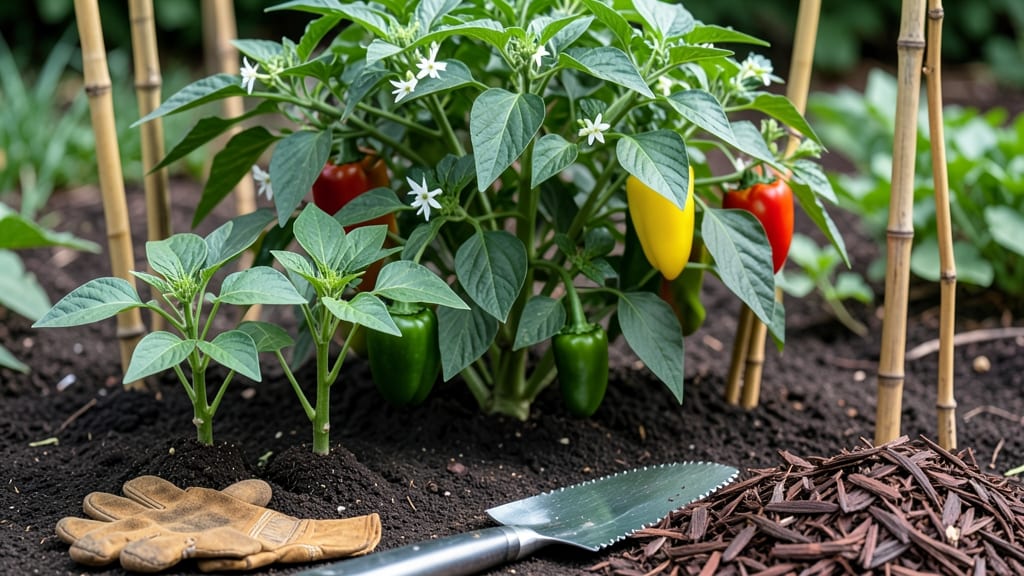
Knowing when to plant bell peppers in Oklahoma can mean the difference between a bountiful harvest and a garden full of wilted dreams. The 🌶️ thrives when planted after the last frost—typically mid-April to early June—but Oklahoma’s unpredictable weather makes timing tricky.
If you plant too early, a late frost can kill your seedlings. Too late, and the scorching summer heat arrives before your peppers mature. The key is balancing soil temperature (at least 60°F) with your local frost-free window.
In this guide, I’ll break down the exact planting windows for Oklahoma’s 6a-8a zones, plus heat-tolerant varieties that won’t bolt in the midday sun. You’ll also learn how to extend your harvest into fall with simple tricks.
Ready to grow peppers that actually survive Oklahoma’s extremes? Let’s get started.
Oklahoma’s frost-free planting Zones & exact dates for bell peppers
Oklahoma’s USDA Zones 6b–8a create a diverse growing climate where bell peppers thrive—but only if planted at the right time. The key is avoiding late spring frosts while ensuring peppers mature before summer’s brutal heat (which can stress plants) or fall’s first frost (typically mid-November).
Most of Oklahoma experiences 180–210 frost-free days, leaving a narrow window for success.
For spring planting, aim to transplant seedlings 2–3 weeks after your area’s last frost date. In northern Oklahoma (Zones 6b–7a), this usually means mid-April to early May.
Southern regions (Zones 7b–8a) can start as early as late March, but always confirm local frost dates—Oklahoma’s weather is famously unpredictable!
Here’s the critical rule: Soil must reach at least 60°F before planting. Cold soil stunts root growth, leaving peppers vulnerable to disease. Use a soil thermometer to check—if it’s below 60°F, wait another week or use black plastic mulch to warm the soil faster.
For fall harvests, plant late July to early August for varieties with 60–70 day maturity. This gives peppers time to grow before temperatures drop. Just be prepared: Fall-planted peppers may need row covers to protect against early chills.
🌱 Oklahoma Bell Pepper Planting Timeline
| Region | USDA Zone | Last Frost Date | Ideal Transplant Window | Fall Planting Window |
|---|---|---|---|---|
| Northern OK (Oklahoma City, Tulsa) | 6b–7a | April 15–May 1 | May 1–15 | July 20–August 10 |
| Central OK (Stillwater, Norman) | 7a–7b | April 1–April 15 | April 15–May 1 | July 10–July 30 |
| Southern OK (Lawton, Altus) | 7b–8a | March 15–April 1 | April 1–April 15 | June 20–July 15 |
💡 Pro Tip: Check your local Cooperative Extension Service for hyper-local frost data—Oklahoma’s microclimates can shift dates by weeks!
If you’re starting seeds indoors, begin 8–10 weeks before transplanting (so early March for northern OK, late February for southern). Use grow lights to supplement weak winter sunlight—peppers need 12–14 hours of light daily to thrive. Harden off seedlings for 7–10 days before moving them outside to avoid shock.
For container gardening, choose large pots (12+ inches deep) with drainage holes. Containers warm up faster than soil, so you can plant 1–2 weeks earlier than in-ground. Just ensure pots stay consistently moist—bell peppers hate drying out.
One common mistake? Overestimating Oklahoma’s heat tolerance. While peppers love warmth, temperatures above 90°F can stunt growth. Use shade cloth (30–50%) during peak afternoons in July/August to protect plants without sacrificing sunlight.
Finally, stagger your planting by 2–3 weeks for a continuous harvest. Plant a mix of early-maturing (60 days), mid-season (70 days), and late-season (80+ days) varieties. This ensures you’re picking peppers from July through October—just in time for homemade salsa and grilling!
Heat-tolerant bell pepper varieties that thrive in Oklahoma’s summer
Oklahoma’s summer heat can turn your bell pepper plants into sad, wilted shadows if you’re not careful. The key to success? Heat-tolerant varieties that handle 90°F+ temperatures without wilting. These five top performers mature quickly and produce abundant peppers before fall’s first frost—perfect for Oklahoma’s USDA Zones 6b–8a. I’ve grown these varieties myself, and they consistently deliver in my Oklahoma City garden. The secret? Thick waxy skins and strong root systems that resist heat stress. Let’s dive into the best options for your summer harvest.| Variety | Days to Maturity | Heat Tolerance | Spacing (inches) | Best For |
|---|---|---|---|---|
| Carolina Wonder | 65-70 days | Excellent (95°F+) | 18-24" | Fresh eating, containers |
| Jupiter | 70-75 days | Very High (100°F+) | 18-24" | Hot climates, large yields |
| Aristotle | 60-65 days | High (90°F+) | 18" | Early harvests, small spaces |
| NuMex Sandia | 75-80 days | Very High (drought-tolerant) | 24" | Dry heat, minimal water |
| Gypsy | 70-75 days | Good (85°F+) | 18-24" | Sweet peppers, long storage |
💡 Heat Hack: Use shade cloth (30%) for seedlings during 100°F+ days to prevent shock. Remove it once plants establish strong roots.