
Plants
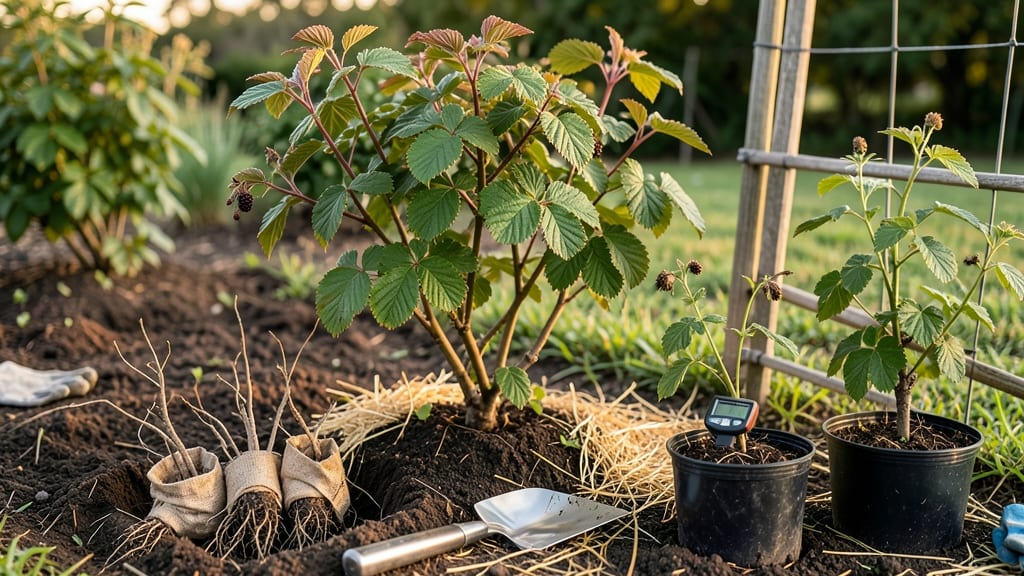
Planting blackberries in Louisiana at the wrong time can mean lost crops—or worse, frozen plants before they bear fruit. But timing it just right ensures lush 🫐 canes, heavy yields, and zero frost risk.
The key lies in Louisiana's unique climate zones, where even a few degrees can make or break your harvest.
If you're in USDA Zones 8a-9b, you've got two prime windows to plant: late winter to early spring or fall. The exact months depend on your variety—thornless types like 'Natchez' thrive with early spring planting, while heat-tolerant 'Ouachita' does better in fall.
I'll break down the best schedule to maximize your harvest without risking frost damage.
Many gardeners make the mistake of waiting too long, only to watch their young plants struggle in Louisiana's unpredictable weather. The solution? Plant when soil temperatures hit 50°F—that's your green light for success.
Whether you're starting with bare-root canes or potted plants, this timing ensures strong root establishment before summer heat arrives.
Let me show you exactly when to plant by variety, how to prepare your soil, and the 3 critical steps to protect your blackberries from Louisiana's late frosts. By the end, you'll know the perfect schedule to turn your garden into a berry bonanza—without the guesswork.
Best planting months for blackberries in Louisiana by variety type
Louisiana’s humid subtropical climate (USDA Zones 8a-9b) means blackberries thrive year-round—but timing matters. Plant too early, and late frosts can kill tender canes. Plant too late, and summer heat stresses young roots. The sweet spot? Late winter to early spring or fall, depending on your variety.
For thornless varieties like Natchez or Arapaho, aim for February to March in North Louisiana (cooler zones) or January to February in South Louisiana (warmer zones). These varieties need 6-8 weeks of warm soil to establish roots before summer’s heat arrives.
If you prefer thorny varieties like Cheyenne or Ouachita, fall planting (October-November) works best. These hardier types handle cooler soil temps and even light frosts once established. Just avoid planting after November 15, or roots won’t harden before winter.
Pro tip: Check soil temperature—it should be at least 50°F (10°C) for planting. Use a soil thermometer to avoid guesswork. In Louisiana, this usually aligns with mid-February for spring or mid-October for fall.
Everbearing varieties like Black Satin are Louisiana gardeners’ secret weapon. Plant them in both fall and spring to stretch your harvest from April to July. The trick? Use different trellis systems for each planting to avoid crowding.
For bare-root canes, soak roots in water for 2-4 hours before planting. This jumpstarts root growth in Louisiana’s sandy loam soils, which drain quickly. Mix compost into the planting hole to retain moisture—critical during hot, dry spells.
Mulch heavily with pine straw or wood chips after planting. This mimics Louisiana’s natural forest floor and keeps roots cool. Just avoid thick layers (3 inches max) to prevent root rot in our humid climate.
Remember: Louisiana’s last frost typically hits February 15, but North Louisiana (Zone 8a) can see frost as late as March 1. Always have row covers ready for unexpected cold snaps.
🌱
How to avoid frost damage when planting blackberries in Louisiana
Louisiana’s unpredictable late-winter frosts can devastate young blackberry canes if planted too early. Even USDA Zone 8a areas (like North Louisiana) see 28°F dips in February, while Zone 9a (South Louisiana) still faces 32°F risks until March.
The key? Planting when soil temps stay above 50°F and using protective strategies to shield tender roots.
Your first line of defense is checking the 10-day forecast before planting. Aim for mid-March for spring plantings or late October for fall—both windows minimize frost exposure. For bare-root canes, soak roots overnight before planting to reduce transplant shock, which weakens frost resistance.
Soil temperature is more critical than air temperature. Use a soil thermometer to confirm 50°F+ at 4" depth. In cooler microclimates (like elevated areas), delay planting until mid-April to avoid 30°F nights that can kill new growth. Potted blackberries are even more vulnerable—harden them off gradually if moving from a greenhouse.
⚠️ FROST DAMAGE WARNING
If a 28°F frost hits within 2 weeks of planting, your blackberries may suffer root dieback or cane blackening. Young plants can’t recover like established bushes. Use row covers or mulch blankets for the first 30 days after planting.
🌱 Pro Tip: Plant near southeast-facing fences or windbreaks—these create 3–5°F warmer microclimates during cold snaps.
Mulching is your best post-planting frost shield. Apply 4–6 inches of straw or pine needles around the base immediately after planting. This insulates roots by 5–10°F during cold snaps.
For thornless varieties (like Natchez or Ouachita), add a lightweight row cover on nights when temps drop below 35°F—remove it by 10 AM to prevent overheating.
Watering strategy also matters. Deep watering 2–3 days before a frost helps roots withstand cold better. Avoid wet foliage, though—ice crystals on leaves can cause cellular damage.
Instead, water the soil base in the morning to let moisture absorb before nighttime chills set in. Drip irrigation is ideal for this.
Even in Zone 9a, December frosts can sneak in. If you planted in fall (October–November), monitor National Weather Service alerts and have frost cloth ready. Blackberries in training systems (like floricane or primocane) are especially fragile—prioritize protecting the crown with extra mulch.
With these steps, your blackberries will survive Louisiana’s frosts and thrive for years.