
Plants
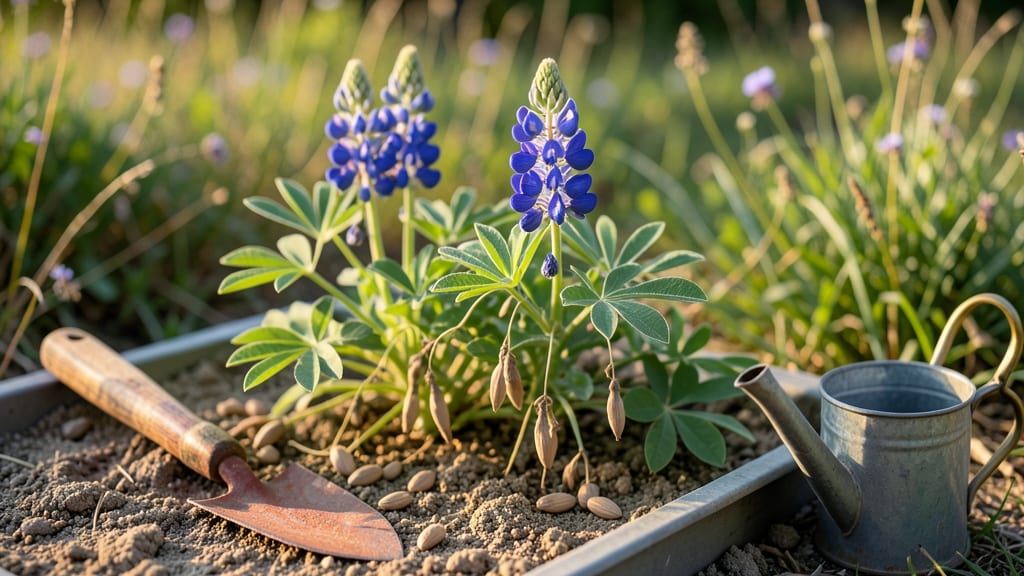
Optimal bluebonnet planting dates by North Texas county (with frost zone adjustments)
Bluebonnets (Lupinus texensis) thrive in North Texas when planted during their natural fall dormancy period, typically between late September and mid-November.
However, exact timing varies by county due to microclimates and USDA hardiness zones ranging from 7a to 8a. Planting too early risks frost damage, while late planting may delay spring blooms.
North Texas' diverse geography—from the Panhandle's cooler climate to Dallas-Fort Worth's urban heat islands—means your county's last frost date is critical. For example, Amarillo (Zone 7a) has earlier frosts than Houston (Zone 8a), even though both are in North Texas.
Always check local frost data from Texas A&M AgriLife Extension for your specific county.
Here’s how to align your planting with North Texas’ county-specific frost windows and soil temperature triggers (ideal: 50°F+):
| County | USDA Zone | Optimal Planting Window | Last Frost Date | Notes |
|---|---|---|---|---|
| Dallas | 8a | Late Sept–Nov 15 | Mid-Nov | Urban heat delays frost; extend window to Nov 20. |
| Fort Worth | 7b-8a | Sept 20–Nov 10 | Early Nov | Cooler nights; prioritize early Sept sowing. |
| Waco | 8a | Oct 1–Nov 15 | Late Nov | Drier climate; water deeply after planting. |
| Amarillo | 7a | Sept 1–Oct 15 | Early Oct | Earlier frost; avoid late Oct planting. |
| Abilene | 7b | Sept 15–Oct 30 | Mid-Oct | Calcareous soil; amend with compost. |
For counties outside this list, use the Texas A&M AgriLife Planting Calendar to find your last average frost date. Aim to plant 4–6 weeks before the first frost to allow seeds to stratify naturally in cool soil.
For example, if your county’s frost date is October 20, plant between September 15–October 5.
Pro tip: North Texas’ unpredictable weather means flexibility is key. If unseasonably warm fall temperatures linger, delay planting until soil temps drop below 80°F. Use a soil thermometer to monitor—bluebonnet seeds need consistent 50–60°F soil to germinate reliably.
Adjust for elevations: Higher elevations (e.g., Hillsboro Plateau) may have earlier frosts than lowland areas. If you’re unsure, plant a test row in early September and monitor for frost damage. Bluebonnets are resilient but won’t recover from hard freezes (below 20°F).
Remember, spring blooms depend on fall planting. Seeds sown in August may sprout but risk dormancy interruptions from heat. Conversely, December plantings often fail to establish roots before winter. Stick to the fall window for vibrant blue carpets next spring.
🌸
How to time bluebonnet planting for maximum spring bloom success (pro tips)
Timing your bluebonnet planting isn't just about the calendar—it's about reading your North Texas soil and climate like a pro. The key is planting when soil temperatures drop to 50°F or below, signaling seeds to germinate in cooler weather.
This usually aligns with late September through November, but your exact window depends on whether you're in Dallas' urban heat or Amarillo's cooler plains.
I always check soil temps with a simple moisture meter or by pressing my finger into the ground. If it feels cool to the touch, it's time to scatter those seeds.
Pro tip: Winter rains in North Texas actually help—just water lightly after planting to encourage germination without washing seeds away. Nature does most of the work once you get the timing right!
🌱 3 Pro Tips for Perfect Timing
- 📅 Plant when soil temps hit 50°F—use a thermometer or the "finger test"
- 🌧️ Let winter rains do the work—only water lightly after planting
- 🌙 Plant during a waxing moon for stronger root development
Don't overlook seed stratification, a natural process that mimics winter conditions. If you're planting in early September (like in Waco's warmer zones), store seeds in the fridge for 2-4 weeks before planting.
This tricks them into thinking they've survived a Texas winter, leading to more vigorous sprouts. For late November plantings (like in Abilene), skip stratification—Mother Nature handles it!
One of my favorite tricks is planting bluebonnets in strips rather than all at once. This creates a staggered bloom effect from April through May. Start with 1/3 of your seeds in late September, another third in October, and the final third in early November.
This way, you'll have continuous color instead of a single explosion of blooms.
Finally, pay attention to moon phases. While not scientific, many Texas gardeners swear by planting during the waxing moon (when the moon is growing brighter) for stronger root development.
Check your local farmers' almanac for exact dates—this year, the waxing moon peaks in October 17-23, perfect for North Texas plantings!
Remember, bluebonnets are tough—they'll survive if you're a few days off, but perfect timing gives you that lush, blue carpet every Texan dreams of. The secret? Patience and preparation—just like waiting for that first spring storm to make everything pop. 🌸