
Plants
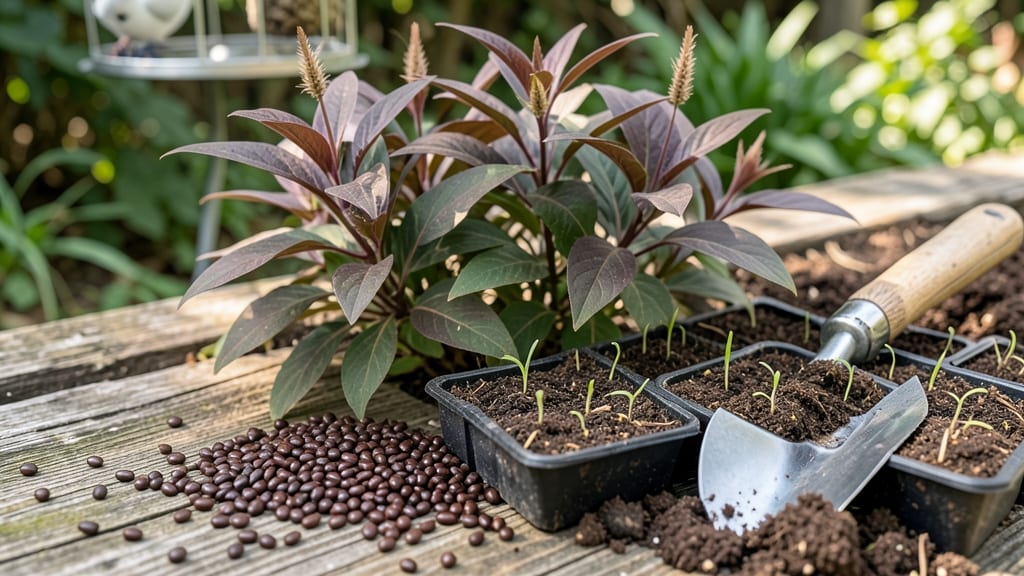
If you're a Mississippi hunter or wildlife enthusiast, knowing when to plant brown top millet for doves in MS could mean the difference between a quiet hunting season and a flock of doves visiting your field every morning.
This fast-growing 🌾 staple isn't just easy to grow—it's a dove magnet when timed right.
The key is planting after your last frost date, typically between mid-April and early June, when soil temperatures stay above 60°F. This timing ensures your millet matures just as doves arrive in late summer, giving them a fresh food source when they need it most.
But here's the catch: Mississippi's varied climate means planting windows shift slightly from North to South. Whether you're in USDA Zone 7b or 9a, we'll break down the exact schedule to maximize dove activity and seed production without wasting effort.
Ready to transform your property into a dove hotspot? Let's dive into the perfect planting timeline, climate considerations, and pro tips that'll have doves flocking to your fields by August.
Best planting months for brown top millet in Mississippi’s climate zones
Mississippi’s diverse USDA zones 7b-9a create microclimates that affect brown top millet planting. In North MS (zones 7b-8a), frost lingers until mid-April, while South MS (zones 8b-9a) enjoys frost-free soil by mid-March.
This difference means your planting window should shift 2-3 weeks later in northern counties like Tunica compared to southern areas like Biloxi.
For peak dove forage, focus on two key windows: late April to early June and mid-August to early September. The first window aligns with spring dove migration (March-May), while the second targets fall breeding seasons (August-October). Both periods ensure 60-80 day maturity before first frost risks.
Soil temperature is your critical trigger. Wait until soil reaches 60°F—use a soil thermometer to confirm. In North MS, this typically happens by late April, while South MS can start as early as mid-April.
Planting too soon risks frost damage to young shoots, wasting your effort.
| Region | USDA Zone | Frost-Free Window | Ideal Planting Months | Key Consideration |
|---|---|---|---|---|
| North MS (e.g., Tupelo, Oxford) | 7b-8a | Mid-April to Mid-October | Late April-June & August-Sept | Wait for 60°F soil (usually late April) |
| Central MS (e.g., Jackson, Starkville) | 8a-8b | Early April to Late October | April-June & July-August | Soil warms faster; plant 2 weeks earlier than North |
| South MS (e.g., Gulfport, Hattiesburg) | 8b-9a | Mid-March to Mid-November | March-May & July-Sept | Longer season; double-crop possible |
Mississippi’s humidity and summer heat (90°F+ common) actually benefit brown top millet—it thrives in these conditions. However, drought stress in late summer can delay maturity. If your area experiences consistent dry spells (like North MS in Julydeep watering or choose August plantings for better moisture reliability.
For maximum dove activity, aim to have mature seed heads available during peak migration periods. In spring, this means May-June plantings for July-August harvests, while fall plantings should yield seeds by September-October.
Use local hunting reports (check MDWFP resources) to fine-tune timing based on dove movements.
Pro tip: Test your soil pH (ideal 6.0-6.8) before planting. Mississippi’s clay-heavy soils in the Delta region may need lime amendments, while sandy soils in the Pine Belt might require organic matter. A simple home test kit ($10) saves time and ensures optimal growth.
Remember, brown top millet is a fast-growing annual that self-seeds aggressively. If you plant too late in summer (after August 15), seeds may not mature before first frost. Use this comparison table as your guide, but always adjust 1-2 weeks based on your exact location’s microclimate.
🌾
Best planting months for brown top millet in Mississippi’s climate zones
Mississippi’s USDA Zones 7b-9a create distinct planting windows for brown top millet, but the golden rule is simple: wait until soil temperatures hit 60°F and frost risk vanishes.
In North Mississippi (Zones 7a-7b), this typically means mid-April to early May, while Southern regions (Zones 8a-9a) can start as early as late March.
For dove hunters, June plantings often yield the best results, aligning with late summer dove migration. However, a second planting in late August can extend forage into fall, when doves are actively feeding. The key is matching your planting schedule to dove behavior patterns—not just calendar dates.
🌱 Pro Tip: Use a soil thermometer to verify temperatures. Brown top millet seeds won’t germinate below 55°F, and cooler soils delay growth, pushing back your dove forage window.
Mississippi’s humid subtropical climate means summer heat arrives quickly after planting, so prioritize well-draining soil to prevent seed rot. In low-lying areas, consider raised beds to improve airflow and reduce fungal risks like brown spot disease, which can devastate millet stands.
For maximum dove activity, aim to have 60-80% of your millet mature by mid-August. This timing ensures doves find fresh forage when they’re most active during migration. In drought years, reduce irrigation after June to harden off plants and improve seed quality.
🌾 Remember: Brown top millet thrives in full sun (6+ hours daily), so clear any shading trees or structures before planting. Even partial shade can delay maturity by 2-3 weeks, throwing off your dove forage schedule.