
Plants
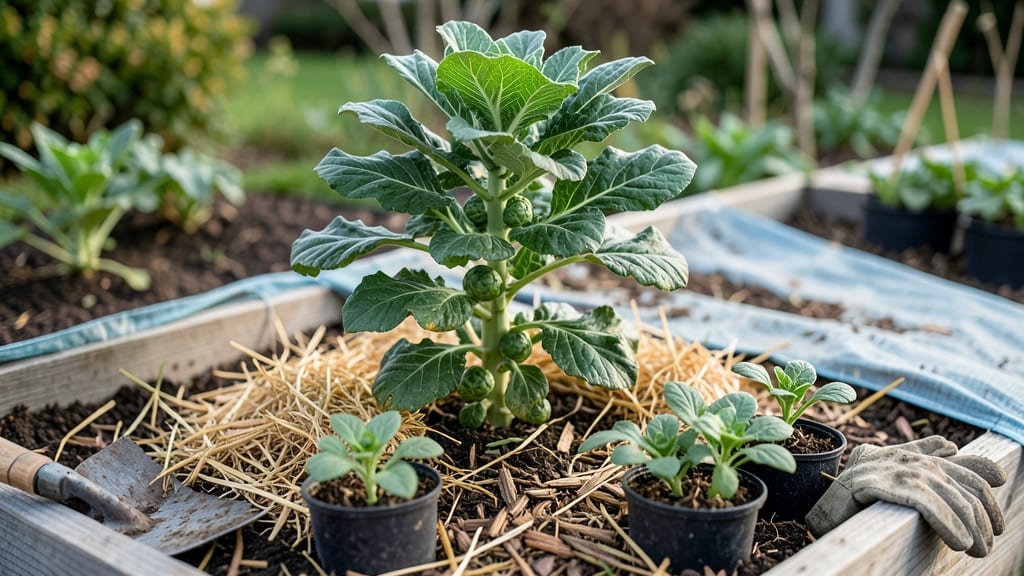
Planting Brussels sprouts 🥦 in New Jersey isn’t just about timing—it’s about locking in a harvest that’ll make your taste buds dance. Skip the wrong window, and you’ll end up with bitter sprouts or worse, no sprouts at all. The key? Knowing when to start seeds indoors or pop them straight into the soil, depending on whether you’re in coastal Atlantic County or inland Passaic County.
NJ’s 6a-7b zones give you two prime chances to grow these crunchy green gems: spring and fall. But here’s the catch—your last frost date isn’t just a number; it’s your garden’s deadline. Plant too early, and frost will nip your seedlings.
Too late, and your harvest shrinks before winter sets in. I’ll break down the exact frost-free windows by county so you can avoid these common mistakes.
Whether you’re a seasoned gardener or a first-timer, getting the timing right means bigger yields and sweeter flavors. You’ll learn how to stretch your harvest season with simple tricks, like row covers or succession planting, so you’re still picking fresh sprouts well into December.
Let’s dive into the perfect planting schedule for your NJ garden.
No more guessing games—just proven strategies to turn your backyard into a Brussels sprout powerhouse. Ready to grow the best crop of the season? Let’s get started.
NJ’s ideal planting windows for Brussel sprouts by county (frost-free deadlines)
New Jersey’s diverse microclimates mean Atlantic County gardeners enjoy 2-3 weeks earlier planting than those in Passaic County. Understanding your last frost date is critical—planting too early risks frost damage, while late planting cuts harvest time.
Most NJ counties fall in USDA zones 6a-7b, but coastal areas (like Cape May) can push zone 7b benefits.
Brussel sprouts thrive with 80-120 frost-free days, so timing is everything. In spring, aim for mid-April to early June planting, while fall plantings should happen between mid-August and early September. These windows ensure mature harvests before first frost (typically late October to November).
Here’s your county-by-county planting guide based on historical frost data, adjusted for NJ’s coastal vs. inland differences. Use this to align your seed starting or direct sowing with local conditions.
| County | Last Frost Avg. | Spring Planting Window | Fall Planting Window | Notes |
|---|---|---|---|---|
| Atlantic | April 10 | April 15–May 15 | August 15–Sept 5 | Coastal warmth extends season |
| Bergen | April 20 | April 25–May 25 | August 10–Sept 1 | Urban heat islands delay frost |
| Burlington | April 12 | April 15–May 20 | August 15–Sept 5 | River valleys stay cooler |
| Cape May | April 5 | April 1–May 10 | August 20–Sept 10 | Longest growing season |
| Passaic | April 25 | May 1–June 1 | August 5–Aug 25 | Shortest season; prioritize early varieties |
For coastal counties like Cape May and Atlantic, you can start seeds indoors as early as March 15 for transplanting in late April. Inland areas like Passaic or Sussex should wait until April 1 to start seeds indoors to avoid cold soil issues.
Soil temperature should reach 45°F before direct sowing.
Pro tip: Use row covers in early spring to protect seedlings from unexpected frosts. In fall, aim for 60-70 days to harvest before first frost—this means August plantings in most counties. For late harvests, consider cold-hardy varieties like ‘Long Island Improved’ or ‘Ruby Ball’.
If you’re in zone 6a (northern NJ), focus on fall plantings for reliable harvests. Zone 7b gardeners can attempt both spring and fall plantings but must monitor weather forecasts closely. Always have back-up row covers ready for unpredictable NJ weather shifts.
For succession planting, sow every 2-3 weeks from mid-April to early June to stagger
How to extend your Brussel sprout harvest season in NJ (pro tips)
NJ’s unpredictable weather can turn a great harvest into a bust. But with the right tricks, you can stretch your Brussel sprout season from early fall to late winter.
The secret? Protecting plants from early frosts while letting them mature naturally. I’ve grown these hardy veggies for years in my Zone 7a garden—here’s how I do it.
Start by planning for two harvest windows: one in early fall and another in late fall/winter. The key is succession planting—sow seeds every 2-3 weeks from mid-August to early September.
This ensures a steady supply of sprouts before the ground freezes. For my coastal garden in Monmouth County, I plant the last batch by September 15th to avoid bolting.
🌱 Row covers are my go-to for extending harvests. Lightweight fabric (like frost cloth) adds 4-8°F protection and lets sunlight through. I drape mine over plants by mid-October to shield them from light frosts. Remove covers during the day in warm spells to prevent overheating.
For a winter harvest, cold frames are a game-changer. I use clear plastic frames (like mini greenhouses) to trap heat during the day. My plants stay productive until mid-December in Zone 6b. Just
Don’t overlook companion planting—it’s a simple way to boost yields. I surround my sprouts with garlic and nasturtiums to repel cabbage worms and improve flavor. Avoid planting near tomatoes, though—they compete for nutrients and attract the same pests. My purple varieties (like ‘Ruby Ball’) handle NJ’s humidity better than green types, too.
💧 Watering becomes critical as temps drop. Reduce frequency to every 5-7 days in fall, but keep soil moist—Brussel sprouts hate drought stress. In my garden, I use drip irrigation on a timer to avoid soggy leaves.
If you’re in southern NJ (e.g., Cape May County), where winters are milder, you might even get a second spring harvest if you plant early varieties by February.