
Plants
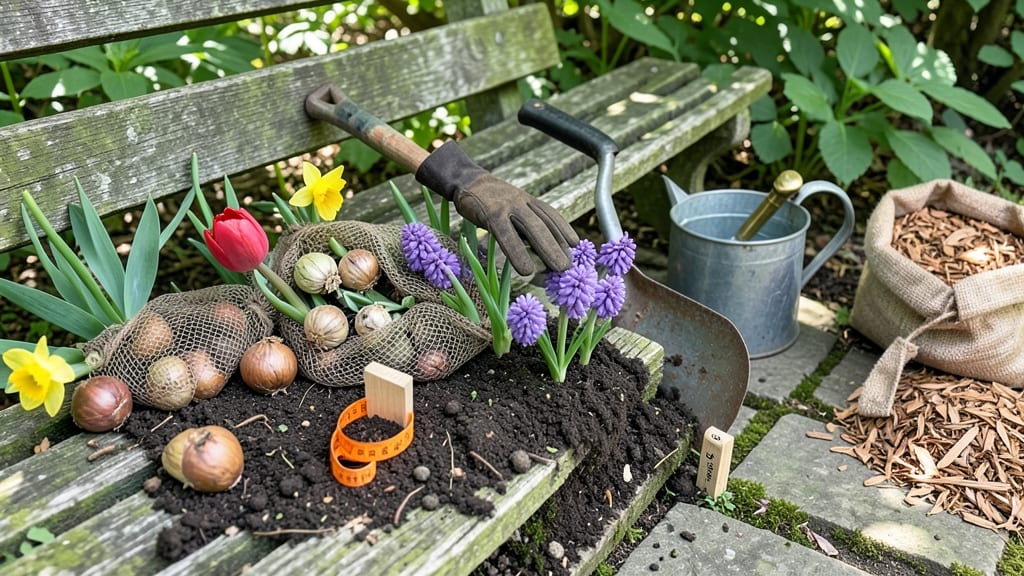
Planting bulbs in Arizona might seem tricky with its hot summers and mild winters, but timing is everything for stunning, low-maintenance blooms. The key lies in understanding your local microclimate—whether you're in Phoenix's low desert or Flagstaff's cooler highlands—and planting during the ideal frost-free window of October through February.
Most gardeners assume bulbs need frost to thrive, but Arizona's Zone 9b climate lets you skip that step entirely. By planting in the cooler months, you give bulbs time to root before the heat arrives, ensuring vibrant spring flowers without the stress.
Think of it as giving your 🌱 bulbs a head start in the desert's challenging conditions.
This guide will walk you through the exact months to plant, which varieties perform best in Arizona's heat, and how to prep your soil for maximum success.
Whether you're a first-time gardener or a seasoned pro, these tips will help you grow bulbs that bloom beautifully year after year—no frost required.
Ready to transform your desert landscape? Let's dive into the perfect planting schedule and care routine tailored just for Arizona's unique growing conditions.
Best months to plant bulbs in Arizona’s desert climate
Arizona’s desert climate creates unique challenges for bulb planting, but timing is everything. Unlike cooler regions, most Arizona bulbs thrive when planted in fall or early winter—not spring. This aligns with the state’s mild winters and avoids the brutal summer heat that can stress newly planted bulbs.
In USDA Zone 9b (where most of Arizona falls), the ideal planting window spans from late October to early February. This timing ensures bulbs establish roots before the spring heat arrives, giving them the best chance to bloom vibrantly.
For spring-flowering bulbs like tulips and daffodils, aim for October-November planting.
Here’s how Arizona’s microclimates affect planting:
- Low desert (Phoenix, Tucson): Plant October-December—soil stays warm longer, but cooler nights help root growth.
- High desert (Flagstaff, Prescott): Plant September-October—cooler temps and possible light frosts (rare but possible) require earlier planting.
Arizona’s lack of hard frosts means you can grow bulbs that typically need cold stratification, like paperwhites or crocus, by planting them in late fall (November-December). These bulbs will bloom in winter or early spring, adding color when other plants are dormant.
Missed the fall window? Don’t worry—March planting can still work for heat-tolerant varieties like rain lilies or desert daffodils. However, blooms may be smaller or delayed due to the intense summer heat. Always prioritize well-draining soil and shade cloth for newly planted bulbs in spring.
🌱 Arizona Bulb Planting Guide by Season
| Season | Best Months | Bulb Types | Key Tip |
|---|---|---|---|
| Fall | October–November | Tulips, Daffodils, Hyacinths | Plant 6–8 weeks before first frost (rare in Zone 9b). |
| Winter | December–January | Paperwhites, Crocus, Rain Lilies | Water sparingly; bulbs need dormancy. |
| Spring | February–March | Desert Daffodils, Agaves, Brodiaea | Use shade cloth to protect from heat. |
Arizona’s lack of frost is a double-edged sword: it extends the growing season but also means bulbs like tulips may not naturalize as aggressively. To compensate, choose drought-resistant varieties or plant bulbs in containers for easier relocation. For example, paperwhites thrive in pots and can be moved indoors if needed.
One critical mistake Arizona gardeners make is planting bulbs too late in spring. By April, the soil heats up rapidly, and bulbs struggle to establish roots.
If you miss the fall window, opt for heat-loving bulbs like rain lilies (Zephyranthes), which bloom in summer and tolerate Arizona’s 110°F+ temps with minimal fuss.
Pro tip: Use a soil thermometer to check if soil temps are below 70°F before planting in spring. Cooler soil helps bulbs avoid heat stress. Pair this with mulch to retain moisture and regulate temperatures—critical in Arizona’s low-humidity climate.
For high-elevation areas like Flagstaff (Zone 7a), plant earlier (September-October) to account for cooler temps and potential light frosts. Even in these areas, most bulbs survive with lightweight row covers during unexpected cold snaps. Always check the USDA Plant Hardiness Zone Map for your specific location.
Finally, remember that Arizona’s monsoon season (July-September) can bring sudden downpours. If planting in late summer, ensure your soil has excellent drainage to prevent bulb rot. Amend heavy clay soils with compost or sand to improve aeration—this is non-negotiable in Arizona’s alkaline soils.
How to time bulb planting for Arizona’s extreme heat and minimal rain
Arizona’s intense sun and dry conditions demand special timing for bulb planting. The key is to plant when soil temps stay below 70°F—this prevents heat stress and helps roots establish before summer arrives.
In most of Arizona, this means focusing on fall planting (October-December), when cooler temps and occasional rains create ideal conditions.
For spring planting (February-March), prioritize heat-tolerant varieties like rain lilies or desert daffodils. These bulbs can handle Arizona’s 110°F+ heat once established, but they still need shade cloth for the first 4-6 weeks to protect young roots from drying out.
Here’s my step-by-step timing guide for Arizona’s desert climate:
🌡️ Critical Planting Timeline for Arizona Bulbs
- October-November: Plant spring-flowering bulbs (tulips, daffodils) 6-8 weeks before first frost (rare in Zone 9b).
- December-January: Plant winter-bloomers (paperwhites, crocus) for holiday color.
- February-March: Plant heat-tolerant bulbs (rain lilies, desert daffodils) with shade protection.
- April+: Avoid planting—soil temps exceed 75°F, risking bulb rot.
Watering is another critical factor in Arizona’s low-humidity climate. Newly planted bulbs need deep, infrequent watering to encourage deep root growth. Aim for 1-2 inches of water weekly during the first 2 months, then taper off as bulbs enter dormancy in summer.
Use drip irrigation or soaker hoses to deliver water directly to the roots and minimize evaporation.
Mulching is a game-changer for Arizona bulbs. Apply 2-3 inches of organic mulch (straw or wood chips) after planting to retain moisture and regulate soil temperatures. In summer, mulch also protects bulbs from extreme heat fluctuations. Just avoid piling mulch directly against bulb stems to prevent rot.
One common mistake I see is overwatering bulbs in summer. Once established, most Arizona bulbs go dormant and only need water monthly (if no rain).
Overwatering leads to rot in the state’s alkaline soils. Always check soil moisture by digging down 2-3 inches—if it’s dry, it’s time to water.
For container-grown bulbs, timing shifts slightly. Plant in late winter (February) and move pots to shaded areas during peak summer heat. Use well-draining cactus/succulent mix to prevent soggy roots. This method works perfectly for paperwhites or amaryllis, which thrive indoors with minimal fuss.
Pro tip: Use a soil thermometer to monitor temps before spring planting. Soil should stay below 70°F for at least 4 weeks post-planting. If temps rise faster than expected, delay planting or use shade cloth to buy time for root establishment.