
Plants
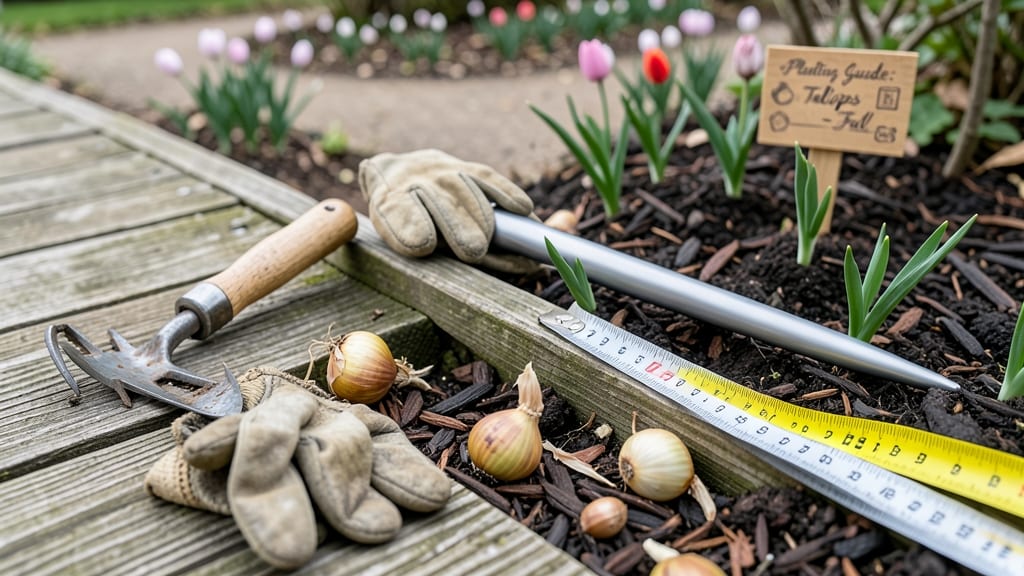
Timing your bulbs (General) 🌷 planting in Arkansas could mean the difference between a showstopping spring garden and a sad, frost-nipped disappointment. With the state’s 7a-8b zones and unpredictable weather, getting those 🌷 in the ground at the right moment is non-negotiable—especially if you’re dreaming of daffodils dancing in March.
Most gardeners assume "fall planting" means October, but in Arkansas, that window actually stretches from October through November, depending on whether you’re in the cooler 7a hills or the milder 8b lowlands.
Plant too early, and your bulbs might rot; too late, and they’ll miss the critical 6-8 weeks before the ground freezes. I’ll break down the exact deadlines so you never guess again.
What’s even trickier? Arkansas’ heavy clay soil and deer population can turn a perfect planting schedule into a bust if you’re not prepared. We’ll cover soil prep hacks, frost-date tricks, and which 🌷 varieties actually thrive here—plus how to outsmart critters that love a free snack of tulips.
Ready to plant with confidence?
Let’s dive into the zone-specific rules that’ll have your garden blooming like a postcard—no frost damage, no wasted effort. Your spring color palette starts now.
Arkansas planting zones: when to plant bulbs by region (7a vs. 8a)
Arkansas spans USDA zones 7a and 8a, creating a 30-day difference in your bulb planting deadline. In the cooler 7a mountains (think Ozarks), the ground freezes by mid-November, while the 8a lowlands (Arkansas River Valley) often stay unfrozen until late November.
This means your October planting window in the north becomes late October to early November in the south.
To avoid frost damage, aim to plant bulbs when soil temperatures drop to 60°F (15°C)—the sweet spot for root establishment before dormancy. Use a soil thermometer if unsure; Arkansas’ unpredictable fall weather can fool even experienced gardeners.
I’ve planted daffodils in early November only to watch them freeze back—until I learned to check soil temps instead of air temps.
Here’s the critical rule: Plant bulbs 6-8 weeks before your area’s average first frost. For 7a, that’s mid-September to early October; for 8a, it stretches to late October. Miss this window, and your bulbs may not develop strong roots before winter sets in.
Don’t overlook summer-planted bulbs like crocus or fall-blooming daffodils, which thrive when planted in late June to early July. These varieties need 60-90 days of warm soil to establish roots before cooler weather arrives.
I’ve had stunning September crocus blooms by planting in mid-July—a trick that works surprisingly well in Arkansas’ heat.
🌱Arkansas’ clay-heavy soil adds another layer of complexity. Before planting, loosen the soil to 6 inches deep and mix in compost or sand to improve drainage. I’ve seen bulbs rot in compacted clay—even when planted at the right time.
A quick percolation test (dig a hole, fill with water, and time how long it drains) will tell you if your soil needs amendments.
For spring planting (February-March), focus on tender bulbs like tulips or hyacinths that didn’t overwinter well. Plant them as soon as the soil is workable—typically when daytime temps stay above 50°F (10°C). I’ve had success with late-March plantings of dahlias, which thrive in Arkansas’ heat once established.
Pro tip: Use mulch (2-3 inches) after planting to insulate bulbs from freeze-thaw cycles, which can heave them out of the ground. In my 7a zone garden, mulch saved my tulips from frost heave last winter—something I’d never considered before.
Finally, don’t forget Arkansas’ deer pressure. Plant daffodils or alliums near high-traffic areas—they’re deer-resistant and will bloom reliably year after year. I lost an entire tulip bed to deer until I switched to daffodils and fritillaries, which
Arkansas planting zones: when to plant bulbs by region (7a vs. 8a)
Arkansas spans USDA zones 7a-8b, meaning your planting window can shift by weeks depending on where you live. In 7a (the Ozark Mountains and northern regions), the ground freezes earlier, while 8b (southern Arkansas) enjoys milder winters.
This difference means tulips in zone 7a need to hit the soil by mid-October, while zone 8b gardeners can wait until late November—but only if you’re aiming for spring blooms.
To nail the timing, aim for 6-8 weeks before your area’s first hard frost. Use the National Weather Service’s frost prediction tool or check your local Arkansas Cooperative Extension Service for precise dates.
Pro tip: Soil temperature matters more than air temperature—wait until it drops to 50-60°F at a 6-inch depth for best results.
The visual comparison table below breaks down exact planting windows, soil prep tips, and frost risks for each zone. Bookmark this—it’s your Arkansas bulb-planting cheat sheet!
| Zone | Ideal Planting Window | Soil Prep | Frost Risk |
|---|---|---|---|
| 7a (North/Central) | October 15–November 1 | Amend clay soil with compost | High (first frost: Nov 15) |
| 8a (South) | October 30–December 1 | Drainage check (avoid soggy spots) | Moderate (first frost: Dec 1) |
| 8b (Southeast) | November 15–December 15 | Mulch after planting | Low (first frost: Dec 15) |
For spring-planted bulbs (like summer-blooming dahlias), Arkansas gardeners can start as early as February in zone 8b or wait until March in zone 7a. The key is planting after the last frost but before the soil heats up—aim for 50-60°F soil temps again.
If you’re unsure, stick to fall planting for foolproof results.
One Arkansas-specific hack: Use a soil thermometer to confirm readiness. Clay-heavy soils in the north stay cold longer, while sandy soils in the south warm up faster. Adjust your timeline based on what you find 6 inches down.
And if you’re in a microclimate (like a valley or hilltop), err on the side of earlier planting—those areas freeze faster.
Missed the fall window? Don’t panic. Spring planting works for hardy bulbs like daffodils and alliums, though they may bloom later. Just plant twice as deep (8–10 inches) to protect them from late frosts.
And if you’re in zone 8b, you can even plant fall-blooming crocus in late summer for a September show.